Published on
January 1, 2026
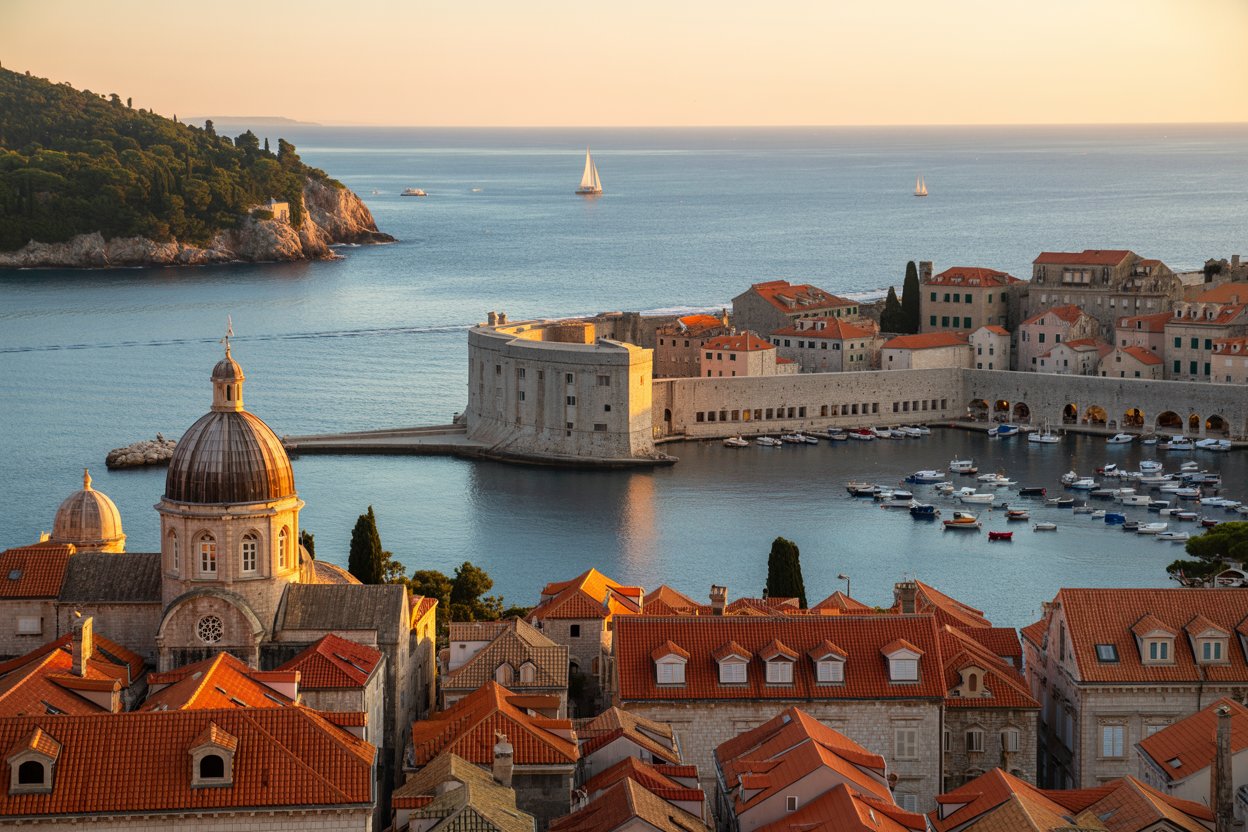
The turquoise waters of the Adriatic have always been Croatia’s calling card, but in 2025, the country’s tourism story became about much more than just a beautiful coastline. According to the latest data from the Croatian National Bank (HNB), the nation’s tourism sector has reached a historic financial peak, generating a staggering €13.411 billion in foreign revenue during the first nine months of the year.
This 1.7% increase over 2024 is not just a statistical win; it represents a fundamental shift in how Croatia welcomes the world. For the first time in history, the country exceeded 110 million overnight stays, proving that its appeal remains evergreen even as global travel trends fluctuate.
The Summer Paradox: Less is More?
While the nine-month total is up, the traditional peak season (July through September) told a slightly different story. Revenue for the third quarter saw a marginal dip of 0.2%, or about €21 million. While some might view this as a slowdown, industry experts and Minister of Tourism Tonči Glavina see it as a “reality check” for the market.
“Data confirms that Croatian tourism continues to grow in a stable and sustainable way,” Glavina noted. The slight summer decline underscores a vital lesson for 2026: competitive pricing is paramount. As travelers become more discerning and global competition for sun-and-sea holidays intensifies, Croatia is learning that sustainable growth comes from offering high value rather than just high prices.
From Mass Tourism to Meaningful Experiences
Since 2016, Croatia’s tourism revenue has surged by an incredible 83%. This isn’t an accident. It is the result of a deliberate move away from the “sun and sand” mass-market model toward a “value-driven” approach.
The Croatia of 2025 and 2026 is one of boutique vineyard stays in Istria, luxury health retreats in the Kvarner Gulf, and year-round cultural festivals in Zagreb. By focusing on “higher added value,” the country is attracting visitors who stay longer and spend more, reducing the environmental and social strain on historic hubs like Dubrovnik and Split.
A Year-Round Destination
One of the most encouraging takeaways from the 2025 report is the growth in the “shoulder seasons.” The fact that overall revenue rose despite a flat summer suggests that spring and autumn are becoming increasingly popular. Travelers are discovering that the Roman ruins of Zadar and the cascading waterfalls of Plitvice Lakes are often more magical—and certainly more tranquil—away from the July heat.
The Ministry’s strategic focus on “balanced development” is working. By promoting inland regions and winter offerings, Croatia is successfully mitigating the risks of “overtourism” while ensuring that local businesses remain profitable throughout the year.
Looking Ahead to 2026
As Croatia enters the new year, the focus remains on sustainability. The milestone of 110 million overnight stays is a testament to the country’s enduring charm, but the minor summer dip serves as a reminder to stay grounded.
The future of Croatian tourism isn’t just about counting heads; it’s about making every visit count. For the traveler, this means better infrastructure, more authentic local interactions, and a country that feels less like a theme park and more like a home. For the economy, it means a stable, €13 billion-plus pillar that continues to evolve with the times.
The trajectory of Croatia’s tourism industry is a masterclass in adaptation. In less than a decade, the nation has transformed itself from a budget-friendly summer alternative into one of Europe’s premier, value-driven destinations. The 2025 revenue figures are a clear signal that this strategy is paying off, providing the economic stability needed to preserve Croatia’s natural and cultural heritage for future generations.
However, the slight cooling of the third-quarter market is a valuable gift—it provides a window for reflection. It reminds stakeholders that the “golden goose” of tourism requires careful tending. Moving into 2026, the challenge will be to maintain this delicate equilibrium: keeping prices competitive enough to attract the global middle class, while elevating the experience enough to satisfy the luxury traveler.
