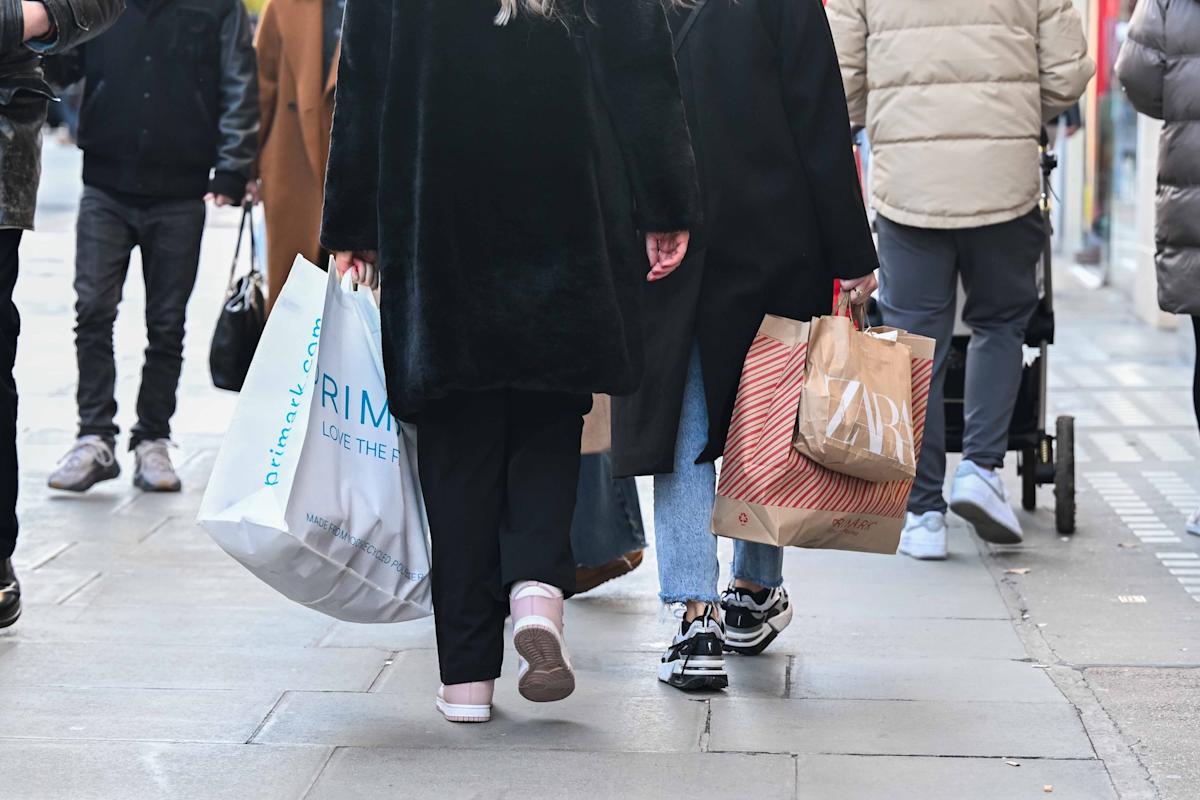
Retailers across the pond are unlikely to meet their 2040 net-zero target without government intervention, the British Retail Consortium (BRC) has concluded, despite improvements in store and warehouse emissions, according to a five-year progress report that the United Kingdom-based trade association released this week.
The update, titled “UK Retail’s Road to Net Zero,” found that more than 93 percent of emissions remain in Scope 3—largely tied to overseas production, freight and product use—where retailers have the least direct control and the weakest data. The BRC further found that fragmented reporting systems, rising logistics costs and limited access to low-carbon infrastructure are slowing progress.
The consortium is calling for coordinated intervention between retailers, suppliers and the UK government to unblock Scope 3.
Its recommendation? A multi-stakeholder plan that standardizes data sharing, pools financing for low-carbon infrastructure—and bakes climate requirements into contracts and supplier programs. The consortium shared plans to convene partners and track annual progress but stressed that meaningful movement depends on government backing and enforceable accountability.
“It’s time for the UK retail industry to step up to radical industry collaboration in reducing emissions embedded in complex global supply chains and UK consumers homes,” said Helen Dickinson, chief executive of the BRC. “Progress relies on influencing suppliers, logistics partners and consumer behavior, making collaboration across the entire value chain—from sourcing to delivery—critical for both in-store and online retail.”
For context: The BRC Climate Action Roadmap was established in 2020 to set a sector-wide pledge to reach net zero by 2040—a full decade ahead of the UK’s national target. The roadmap is framed as a sector-wide blueprint, positioning retailers at key points in the supply chain as central to cutting emissions upstream and downstream.
“Five years on, this ambition has not changed—but the business context has,” Dickinson said in the report’s foreword. “Since 2020, net zero has been buffeted by strong political, regulatory and financial headwinds. What was once a shared ambition is now debated in political, policy and regulatory arenas—creating uncertainty for businesses and consumers alike.”
The review pairs updated emissions baselining with a progress check on 2025 milestones. The data shows where carbon sits; the milestone survey shows how little of it is being reduced.
The updated footprinting shows most emissions in product manufacturing, use and disposal—not in stores—and establishes a new baseline that appears 11 percent higher than 2019. The BRC said the increase likely reflects better data coverage, not a spike in emissions.
Story Continues