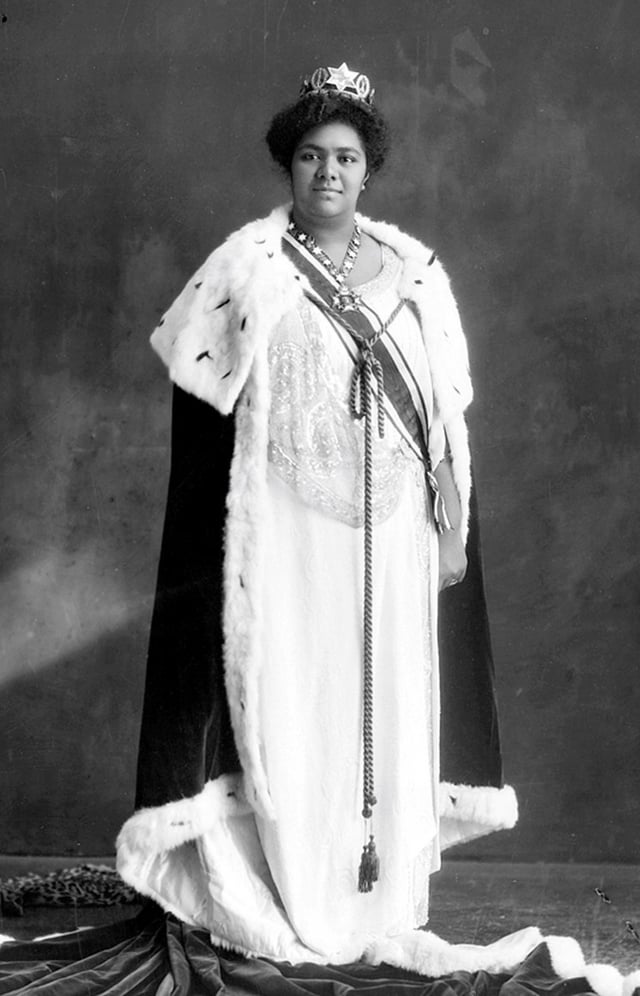
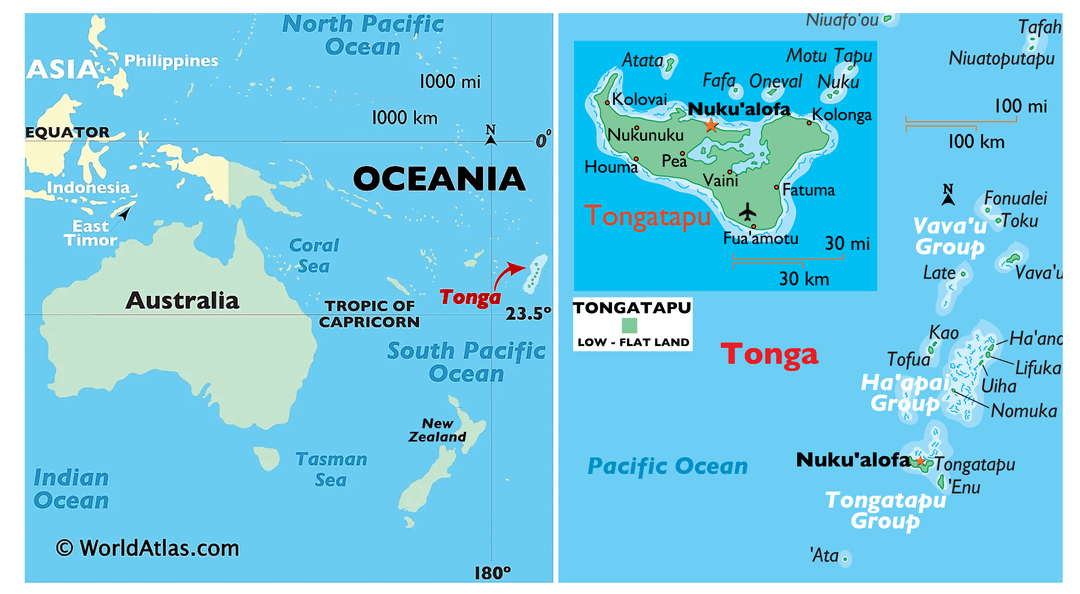
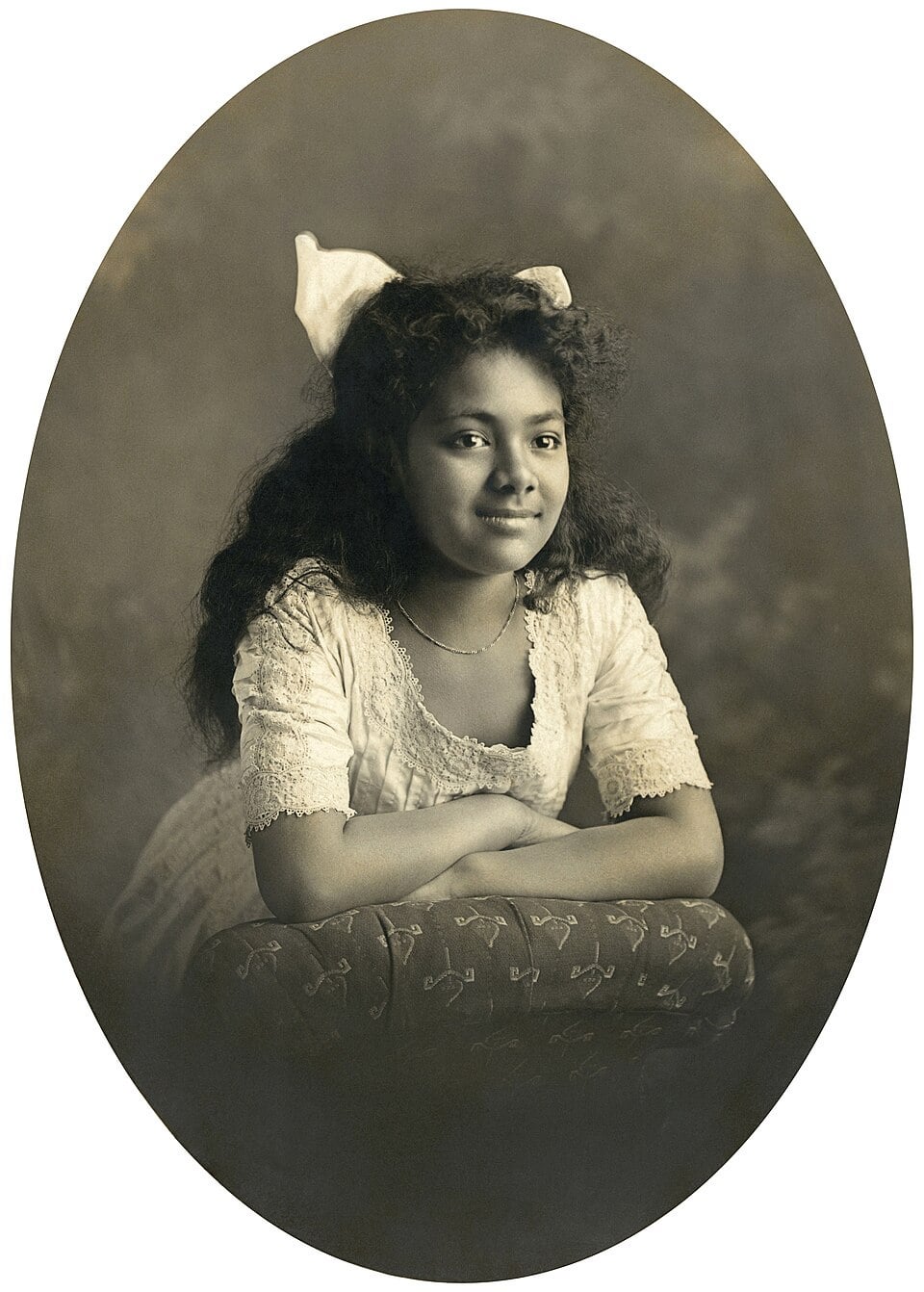
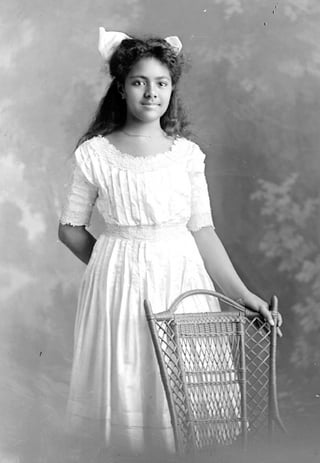
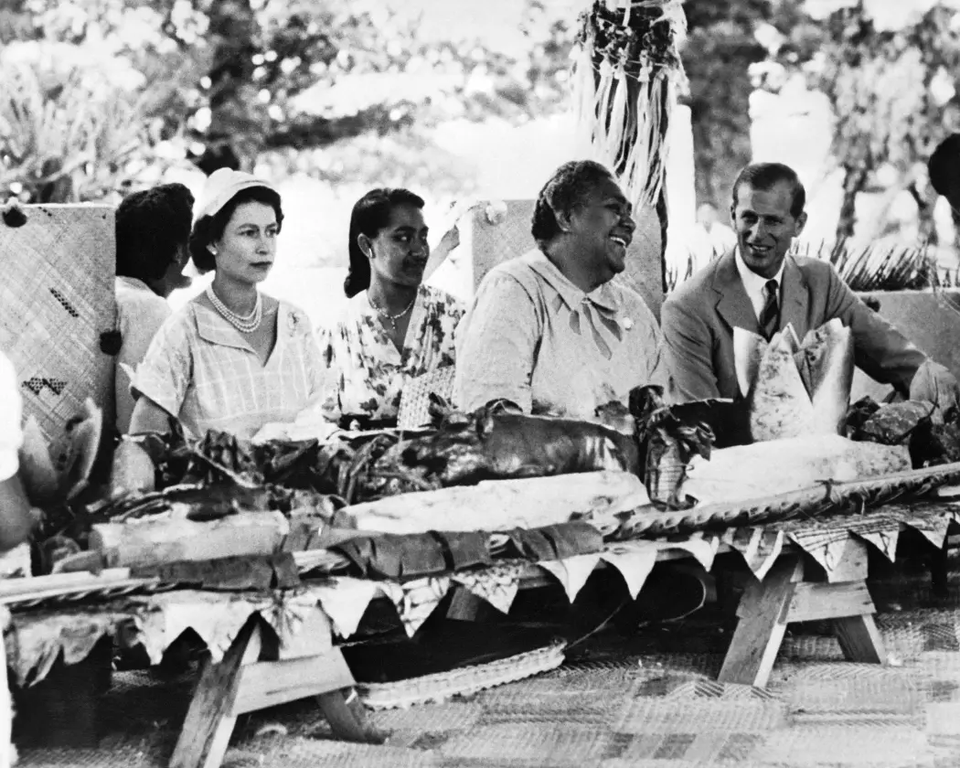
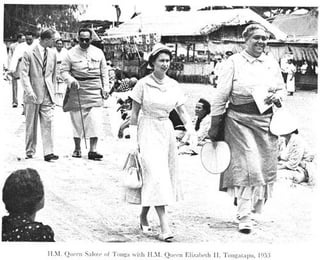
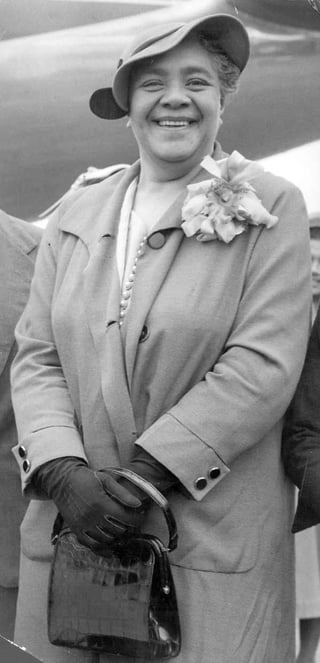
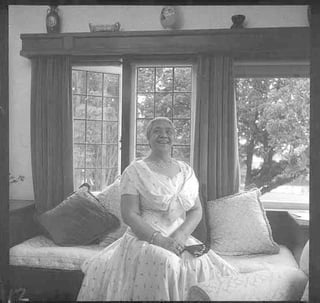
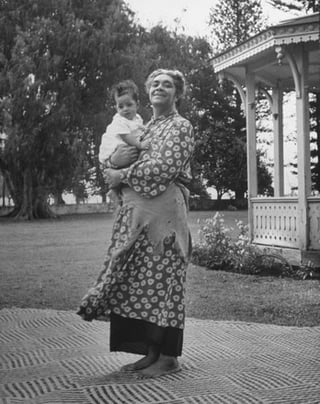

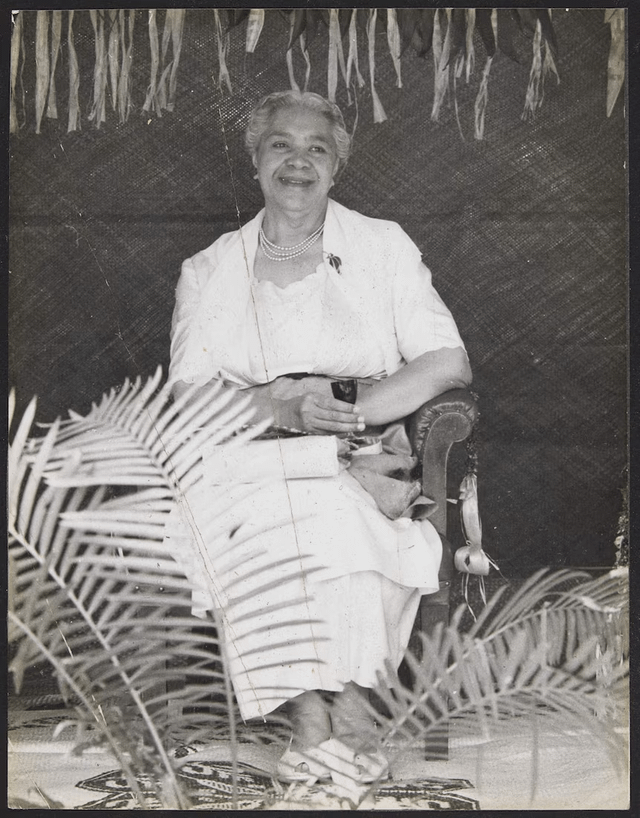
The year 2025 marked the 125th anniversary of the birth of Queen Sālote Tupou III of Tonga, the longest reigning Tongan monarch and this month, it was the sixtieth anniversary of her passing, so I thought it might be a good time to remember her.
The Tongan monarchy spans over a thousand years and it is the only remaining indigenous Polynesian kingdom with an unbroken royal lineage. Queen Sālote Tupou III seems to be a particularly beloved figure. She might also be the tallest queen in the world's history, because in her youth, she was 191 cm tall (6 feet 3 inches).
Posted by Potato-Alien
3 comments
Queen Sālote had a difficult childhood. Her mother died when Sālote was two years old and her father remarried. Sālote spent her childhood in New Zealand in Auckland, raised by Kronfelds, a Samoan-German family
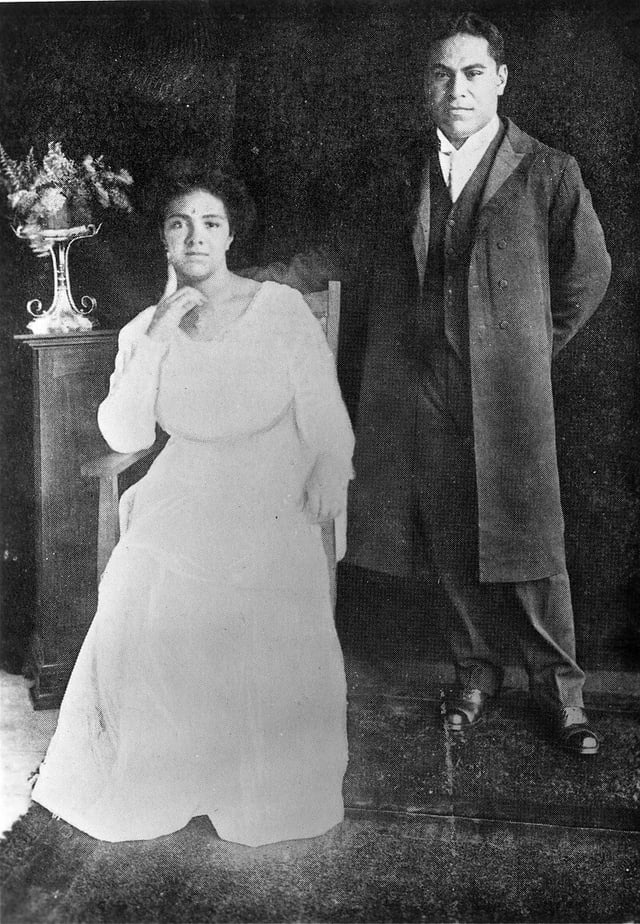
Her father’s second wife however only had two daughters. The first one died at the age of six months, the second one died during Sālote’s reign at the age of twenty. Because her father didn’t end up having sons, Sālote’s position completely changed. At fifteen, Sālote was finally declared as the heir presumptive. When she was seventeen, her marriage to a thirty-year-old nobleman Viliami Tungī Mailefihi was arranged. He was a direct descendant of the 15th-century ruling Tongan dynasty, so their children would be descendants of three grand Tongan royal dynasties.
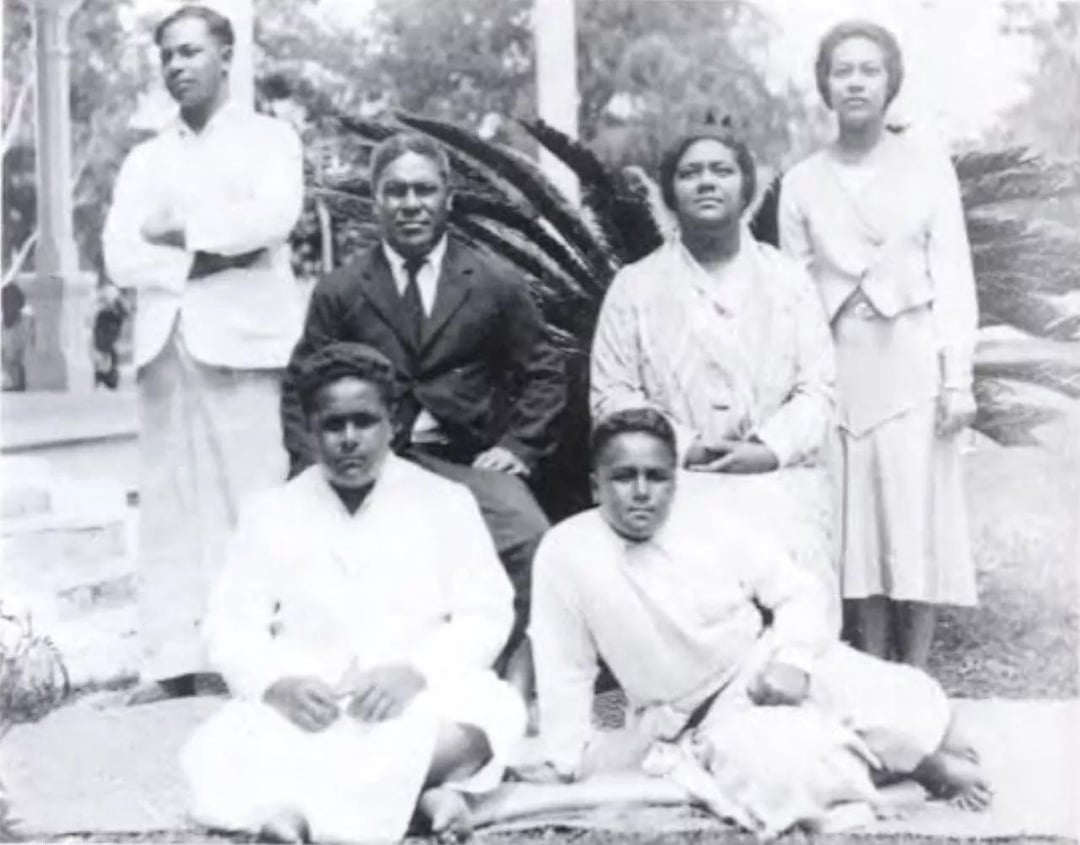
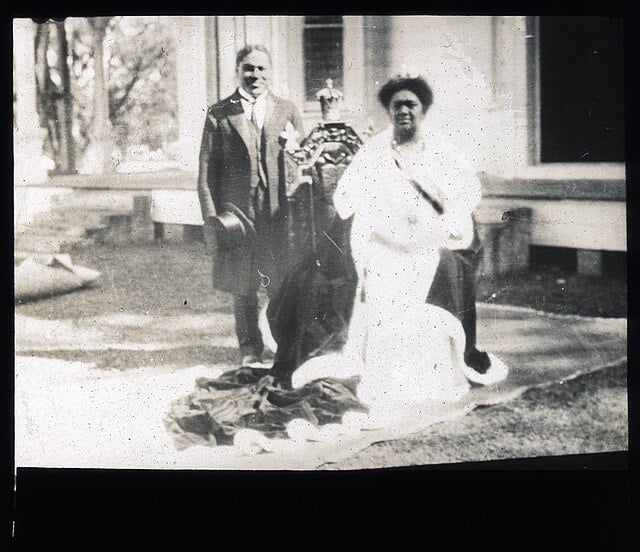
Sālote was proclaimed Queen on 6 April 1918, following her father’s death from tuberculosis the previous day. Four months later, she gave birth to her first child, Crown Prince Siaosi Tāufaʻāhau Tupoulahi (1918-2006), who would later become King Tāufaʻāhau Tupou IV. She gave birth to two more sons in quick succession and suffered three miscarriages. She struggled with her health and in 1935, at the age of 35, she was diagnosed with cancer and had a hysterectomy. Soon afterwards, her second-born son died at the age of 16.
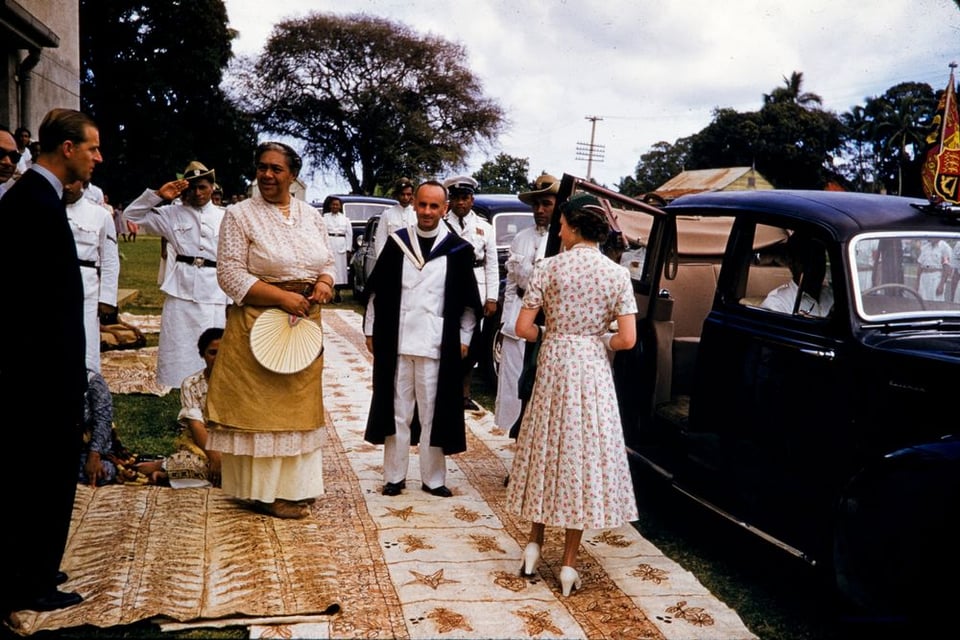
Sālote’s husband died of heart-attack in 1941 and the queen was too grief-stricken to be even in the funeral procession. Despite her grief, Sālote managed to build close relationships with Tongan allies while uplifting Tongan traditions and customs. She was beloved in her country and gained a lot of international respect because of the support during the WW2. In the war, Tongan contribution far outweighed the size of the country. Tongans fundraised enough money to have airplanes built to fight, served in the Tongan Defense Force, and helped the allied cause.
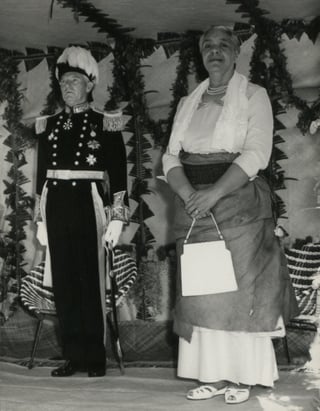
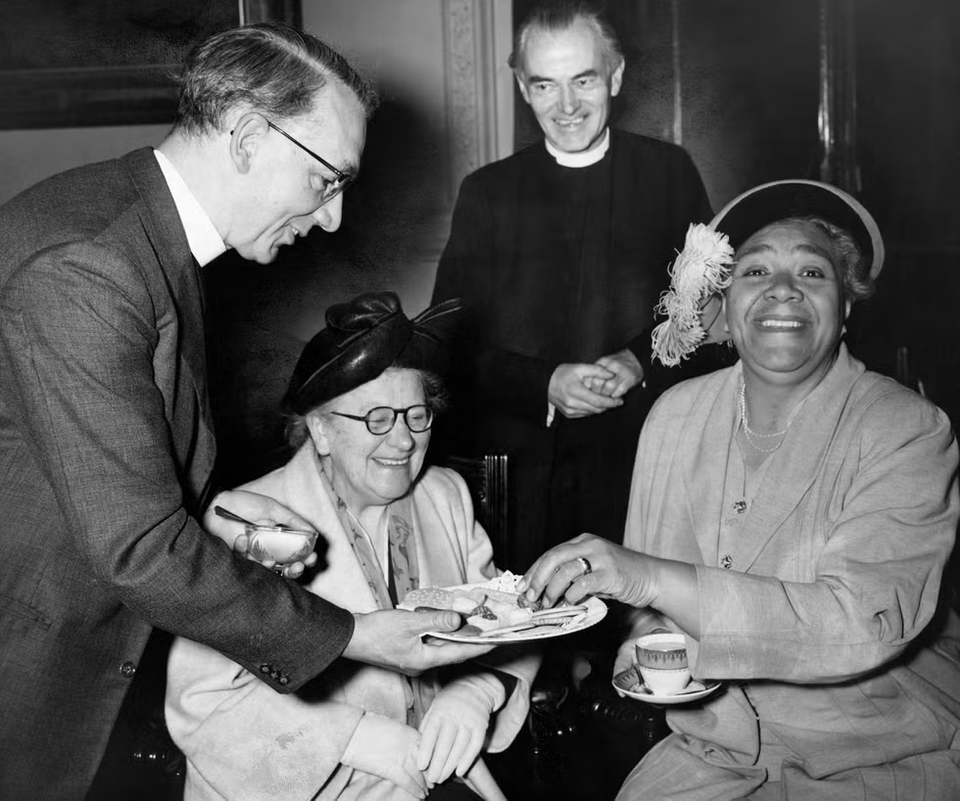
Queen Sālote visited Britain for the coronation of Queen Elizabeth II. Queen Sālote as the only other female reigning monarch attracted a lot of attention. She had a packed schedule, visited hospitals, concerts, theatre and the Chelsea flower show and her presence delighted the media. Sālote herself greatly enjoyed the visit, as can be seen in the diary she kept throughout the trip. Queen Sālote was accompanied by her daughter-in-law, the wife of the Crown Prince, Mataʻaho.
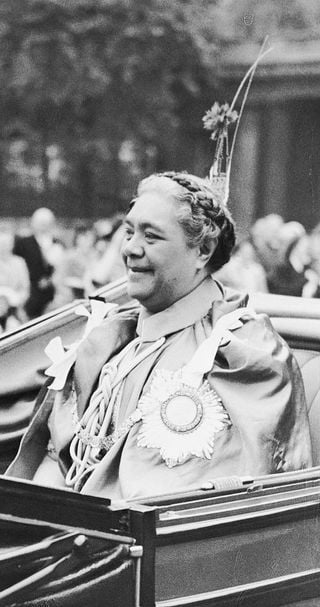
During the coronation procession, it began to rain, so hoods were placed on the carriages in the procession. To show respect in accordance with the Tongan customs, Queen Sālote refused the hood, riding instead in the rain in an open carriage together with Sultan Ibrahim of Kelantan, gaining even more attention and affection of the world media.
In the 50s, Sālote was diagnosed with diabetes mellitus, although the diagnosis was not known to the public and she continued to struggle with cancer. By 1965, her cancer had spread to her bones and lungs and as her condition worsened, her family managed to convince her to seek oncological treatment in Auckland.
Queen Elizabeth II of Britain requested an aircraft for Queen Sālote and a crowd gathered on the road to Fua’amoto airport to see their queen one last time. Sālote would never return to her country again, passing away in Auckland in 16th December 1965. Her funeral service took place on 23 December with fifty thousand people in attendance.
Thank you so much for sharing this! What a fascinating woman. And that photo of her with Vivien Leigh is everything.
Thank you for sharing!
Comments are closed.