01
Jan 2026
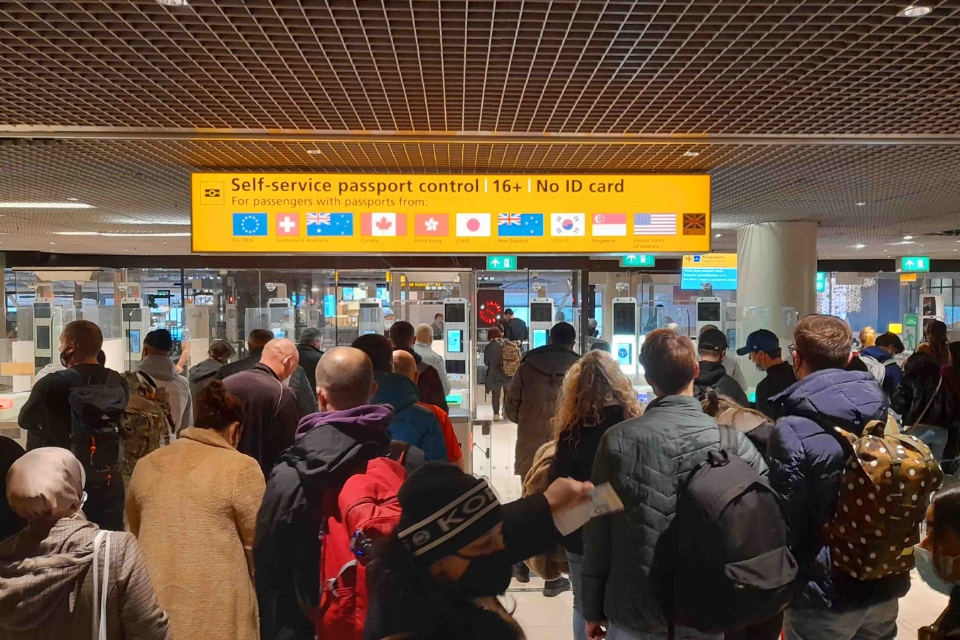
The EU’s Entry-Exit System is causing three-hour delays at major European airports as new digital border checks slow passport control for non-EU travelers.
Airports groups say that the system, rolled out in recent months across the Schengen Area, requires fingerprints and facial scans that are taking much longer to process during peak travel times.
Queues stretch across Europe
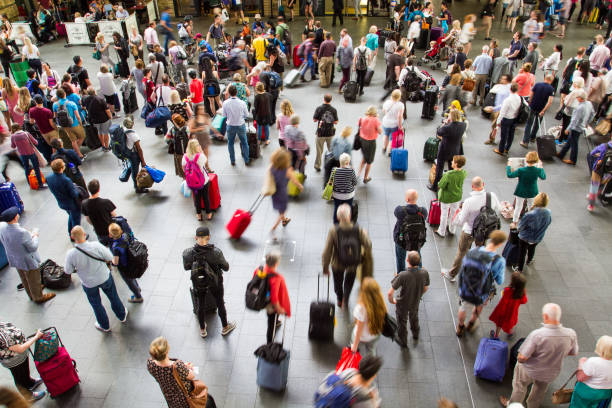
Airports across Europe are facing long lines as the EES rolls out at the external borders of the Schengen Area.
The digital border system, which began phased implementation in October, changes how non-EU travelers are processed when entering and leaving the bloc.
Under the new system, travelers from countries such as the United States and the United Kingdom must register fingerprints and a facial image the first time they cross the border.
That biometric data replaces traditional passport stamping and is stored in a shared database used by border authorities across participating countries.
Airport operators said that the extra steps are already slowing passport control at busy international hubs.
Airports Council International (ACI) Europe said that border checks are taking up to 70% longer in some locations, leading to waits of as long as three hours during peak travel times.
The group said that the impact is being felt most at airports that handle large volumes of long-haul flights.
Better border controls
The European Union said that the EES is designed to modernize border controls and improve oversight of non-EU visitors. By recording when travelers enter and exit the Schengen Area, authorities aim to better enforce short-stay limits and identify overstays.
The system also replaces manual passport stamps with digital records, which the EU said should improve accuracy and reduce fraud over time.
The European Commission has said that the rollout is being carried out gradually to allow border agencies and travelers to adjust.
At launch, only a small share of eligible travelers were required to register biometric data. That percentage is set to increase in stages, with full implementation planned by April 2026.
(Image courtesy of Teamjackson via iStock)
Airports raise concerns
Airport operators have warned that the rollout is already causing disruption and could worsen as more travelers are added to the system. ACI Europe has called for an urgent review of the rollout timeline, citing operational and staffing challenges at major airports.
“Significant discomfort is already being inflicted upon travelers, and airport operations are being impacted, with the current threshold for registering third-country nationals set at only 10 percent,” said Olivier Jankovec, director general of ACI Europe.
He warned that increasing the share of travelers required to register without resolving existing problems could lead to more serious disruption.
“Unless all the operational issues we are raising today are fully resolved within the coming weeks, increasing this registration threshold to 35 percent as of January 9 will inevitably result in much more severe congestion and systemic disruption for airports and airlines,” Jankovec said.
He added that this “will possibly involve serious safety hazards.”
According to ACI Europe, airports in France, Germany, Italy, Spain, Portugal, Greece, and Iceland have been among the hardest hit so far.
Tech difficulties, staff shortages
Airport groups point to several factors behind the delays.
Many travelers must first use self-service kiosks to submit biometric data before reaching a border officer. When kiosks are unavailable, unfamiliar, or out of service, queues can quickly form.
ACI Europe has said some airports have experienced system outages and technical configuration problems.
The group has also raised concerns about staff shortages, saying that there are not always enough trained border guards available to manage the added workload, especially during peak travel periods.
Another issue is the lack of a widely available pre-registration option. Without the ability to complete biometric registration in advance, travelers must go through the process on arrival, adding pressure at already busy passport control points.
(Image courtesy of ottawa via iStock)
Launch still successful
The European Commission has rejected claims that the EES is broadly responsible for long queues at airports. A Commission spokesperson said that the system was launched successfully across member states using a progressive approach.
The spokesperson said that member states have already exceeded early registration targets and that processing times have improved as border guards gain experience with the system.
The Commission said that it has not received reports confirming widespread three-hour waits caused directly by the new checks.
According to the Commission, where queues have occurred, they were often linked to other factors such as flight schedules, staffing levels, or peak holiday travel.
Officials also said that countries have the option to partially or fully suspend the system in exceptional circumstances to manage congestion.
The Commission said that it is closely monitoring operations and working with member states to share best practices during the rollout.
Long processing times
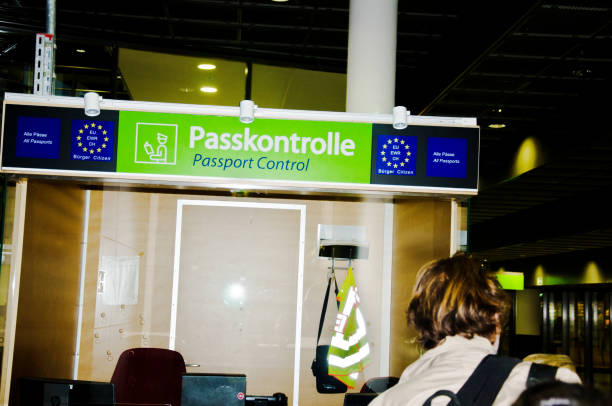
For travelers, the most visible change is at passport control. Non-EU passengers are often directed to new kiosks where they must scan passports, provide fingerprints, and have a photo taken before seeing a border officer.
At busy airports, these additional steps have increased processing times, particularly when large numbers of long-haul flights arrive close together.
Travel industry groups have advised passengers to allow extra time when arriving in Europe while the system is being phased in.
Airports have also adjusted terminal layouts to make space for kiosks and longer queues, though operators said that infrastructure limits make this difficult in older terminals.
(Image courtesy of FroggyFrogg via iStock)
New travel rules soon
The EES is part of a broader shift toward digital border management in Europe. It is closely connected to the upcoming European Travel Information and Authorization System (ETIAS), which will require visa-free travelers to apply online before visiting most EU countries.
ETIAS is expected to launch six months after the EES is fully operational. While ETIAS will be completed online before travel, eligible visitors will still need to comply with EES requirements at the border.
EU officials have said the two systems are separate but complementary, with shared data helping authorities manage borders more efficiently.
Pressure ahead
As the rollout continues, the share of travelers required to register biometric data is expected to increase in the coming months. Airport operators have urged EU institutions to adjust the timeline if technical issues and staffing shortages persist.
The European Commission has said it will continue to review the system’s performance and work with national authorities as implementation expands.
Border agencies are expected to refine procedures and deploy additional staff where possible.
For travelers heading to Europe, the changes mean planning for longer waits at passport control while the EES continues to take shape.