
Every year, new political leaders emerge, old ones fade and others fall somewhere in between. In a midterm year, the spotlight is brighter as high-stakes races play out and the presidential field begins to take shape.Here are some of the most important political figures, other than President Donald Trump, to keep an eye on in 2026.JD VanceThe first name to watch is an easy one: Vice President JD Vance.At 41, Vance has had a short political career but a swift ascent, shifting from Trump critic to the president’s right-hand man.Watch video in player above: Vance addresses economy, health care in Pennsylvania visitHe’s the odds-on favorite for the 2028 GOP nomination, even as chatter persists about a Trump third-term bid and potential challengers gearing up to test him. Ongoing GOP fights over antisemitism, Israel and free speech haven’t helped. He’s been caught between factions, declining to pick a clear side.According to Gallup’s latest poll, Vance holds a 39% approval rating, just a couple of ticks higher than Trump.Next year could be pivotal for Vance. Will he cement himself as the party’s leading voice while holding Trump’s winning coalition together? Or will he be sidelined by intraparty warfare, falling back as other leaders emerge?Mike Johnson and John ThuneThe two GOP congressional leaders have a lot on their plates heading into 2026.First, House Speaker Mike Johnson and Senator Majority Leader John Thune face the prospect of another government shutdown, with federal funding set to expire at the end of January.Second, it’s a midterm year, so Johnson and Thune will have to balance governing with members of their caucus running for reelection.Lastly, with the possibility of the GOP losing control of Congress in next year’s elections, Johnson and Thune will likely feel pressure from the Trump administration to accomplish as much as possible while they still hold a trifecta.Zohran MamdaniAll eyes will be on New York City’s incoming mayor in 2026.Mayor-elect Zohran Mamdani shocked the political world in 2025 by knocking off former Gov. Andrew Cuomo in the Democratic mayoral primary. Then, he did it again in the general election, overcoming Cuomo’s Trump-backed independent run.Mamdani, a self-avowed democratic socialist, has proven to be a strong candidate. Whether he’ll be a strong mayor remains to be seen.He’s made some bold policy promises, including a rent freeze, fare-free buses and universal child care. If he falls short, it could affect not only his own standing but also perceptions of progressive leadership going forward. Conversely, if he succeeds, he could offer a blueprint for Democrats nationwide.Jasmine CrockettThe prominent House Democrat is taking a big swing next year, setting her sights on a promotion.Rep. Jasmine Crockett of Texas announced on Dec. 8 that she would seek the party’s nomination for U.S. Senate.She’s facing state Rep. James Talarico, and early polling shows her ahead.Still, even if she wins the primary, taking a general election in Texas will be tough. Democrats haven’t won a statewide race there since 1994.It’s a major gamble for a rising politician early in her national career. She could have run for House reelection, though the GOP’s new map drew her home out of the deep-blue 30th District.Instead, Crockett is choosing the high-upside, high-risk path. If she wins, she’ll vault onto the short list of Democratic presidential contenders. If she loses, her congressional career will be cut short, for now.Thomas MassieRep. Thomas Massie, R-Ky., has done something few Republicans ever have: taken on Trump and won.In July 2025, Massie called for the full release of the Jeffrey Epstein files, introducing a discharge petition with Rep. Ro Khanna, D-Calif.At the time, Trump, who had campaigned on releasing the files, began calling the Epstein issue “a big hoax,” defending his administration’s lack of movement.After Massie introduced the petition, Trump called the six-term representative an “Embarrassment to Kentucky.”Nevertheless, Massie didn’t back down. After months of advocacy and overwhelming public support for releasing the files, he got the rest of the GOP on board, including Trump.Trump reversed himself in early November, ultimately signing the law to force the release following the House and Senate passing the bill almost unanimously.Massie has opposed Trump on other issues as well, including voting against the “one big, beautiful bill” and criticizing his foreign policy. But it’s the Epstein files that have further raised his profile.He faces a primary challenge from a Trump-backed candidate, and others may jump in to try to squeeze him out.It won’t be easy, but if he can sustain the momentum he built at the end of 2025, he just might do something no Republican has ever done: take Trump on twice and win.Gavin NewsomCalifornia Gov. Gavin Newsom is currently the leading contender for the 2028 Democratic presidential nomination.Whether through his sharp X account or his various appearances on cable TV and popular podcasts, Newsom has made his voice heard, leading the opposition to the second Trump administration.High-profile standoffs over National Guard deployments and redistricting have given him a platform, and he has seized it.He has risen through California politics, overcoming personal hurdles and professional controversies along the way.Like his potential 2028 opponent, Vance, Newsom has also undergone a political evolution, from “conservative mayor” to progressive governor.He remains the favorite, but the field isn’t closed to a challenger who could overtake him as the party’s top contender.While on the subject of governors with potential presidential aspirations, a quick shout-out to Govs. Josh Shapiro, D-Pa., JB Pritzker, D-Ill., Sarah Huckabee Sanders, R-Ark., Ron DeSantis, R-Fla., Andy Beshear, D-Ky., Spencer Cox, R-Utah, and Tim Walz, D-Minn.Alexandria Ocasio-CortezRep. Alexandria Ocasio-Cortez, D-N.Y., isn’t the new kid on the block anymore.Now in her fourth term, Ocasio-Cortez, better known as AOC, has become a leading voice of the Democratic Party’s progressive wing.She has also worked to build bridges with moderates, campaigning hard for former Vice President Kamala Harris in 2024 and raising money in 2025 for Virginia’s governor-elect, Abigail Spanberger, a vocal critic of socialism. Ocasio-Cortez is a self-described democratic socialist.She routinely appears in hypothetical polls for the 2028 Democratic presidential primary, typically placing third or fourth behind Gavin Newsom, Harris and sometimes former Transportation Secretary Pete Buttigieg.Still, there’s reason to believe the 36-year-old isn’t in a rush to seek the presidency. She may instead challenge Sen. Chuck Schumer, D-N.Y., for his seat in 2028.Either way, AOC isn’t going anywhere. With her platform and popularity, she will remain a stalwart of the progressive movement.Pam Bondi and Kash Patel Attorney General Pam Bondi and FBI Director Kash Patel have drawn more headlines than almost anyone in Trump’s cabinet. Perhaps only Defense Secretary Pete Hegseth rivals them.Throughout 2025, Bondi and Patel have faced mounting criticism over the handling of the Epstein files, allegations of using their offices to target Trump’s perceived political opponents and reports of government-fund misuse.Both have already had to bat down resignation rumors, which is never ideal.What 2026 holds for Bondi and Patel is unclear. But as the administration’s top law enforcement officials, they’re likely to be on the front lines of Trump’s next moves.John RobertsSupreme Court Chief Justice John Roberts has long maintained he is not ideologically driven.But it’s no secret that, under his leadership, the court has shifted right since Trump’s first term, aided by the confirmations of Justices Neil Gorsuch, Brett Kavanaugh and Amy Coney Barrett.In that span, the court overturned Roe v. Wade, expanded gun rights, struck down affirmative action in college admissions, curtailed regulatory authority, limited challenges to partisan gerrymandering and recognized broad presidential immunity in Trump v. United States.In 2026, the court is expected to weigh a number of consequential issues, including transgender participation in women’s sports; separation of powers and agency independence; birthright citizenship; laws on conversion therapy; Trump-era tariffs; and mail-in voting rules.Roberts won’t be personally responsible for the outcomes, but they will be part of the legacy of his court.
Every year, new political leaders emerge, old ones fade and others fall somewhere in between. In a midterm year, the spotlight is brighter as high-stakes races play out and the presidential field begins to take shape.
Here are some of the most important political figures, other than President Donald Trump, to keep an eye on in 2026.
JD Vance
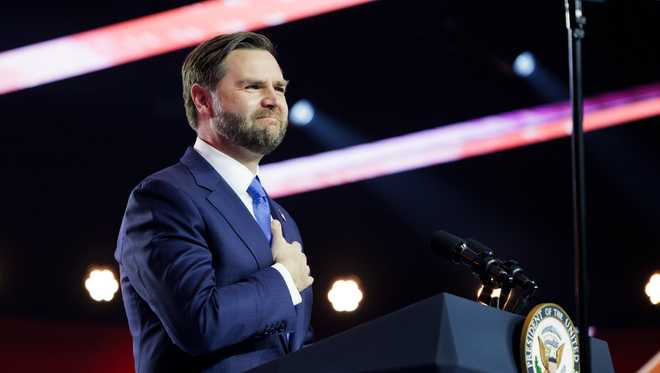
The first name to watch is an easy one: Vice President JD Vance.
At 41, Vance has had a short political career but a swift ascent, shifting from Trump critic to the president’s right-hand man.
Watch video in player above: Vance addresses economy, health care in Pennsylvania visit
He’s the odds-on favorite for the 2028 GOP nomination, even as chatter persists about a Trump third-term bid and potential challengers gearing up to test him. Ongoing GOP fights over antisemitism, Israel and free speech haven’t helped. He’s been caught between factions, declining to pick a clear side.
According to Gallup’s latest poll, Vance holds a 39% approval rating, just a couple of ticks higher than Trump.
Next year could be pivotal for Vance. Will he cement himself as the party’s leading voice while holding Trump’s winning coalition together? Or will he be sidelined by intraparty warfare, falling back as other leaders emerge?
Mike Johnson and John Thune
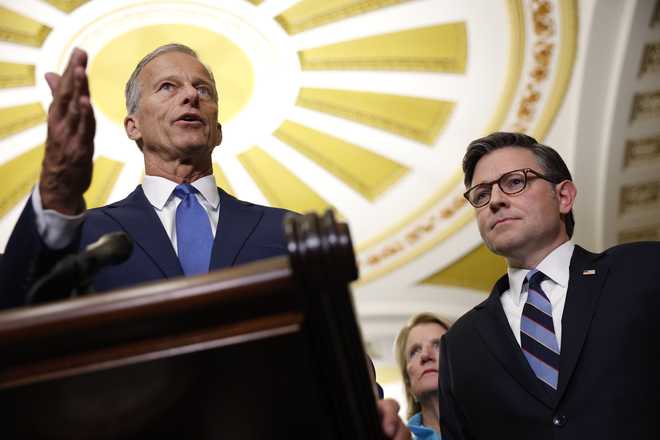
The two GOP congressional leaders have a lot on their plates heading into 2026.
First, House Speaker Mike Johnson and Senator Majority Leader John Thune face the prospect of another government shutdown, with federal funding set to expire at the end of January.
Second, it’s a midterm year, so Johnson and Thune will have to balance governing with members of their caucus running for reelection.
Lastly, with the possibility of the GOP losing control of Congress in next year’s elections, Johnson and Thune will likely feel pressure from the Trump administration to accomplish as much as possible while they still hold a trifecta.
Zohran Mamdani
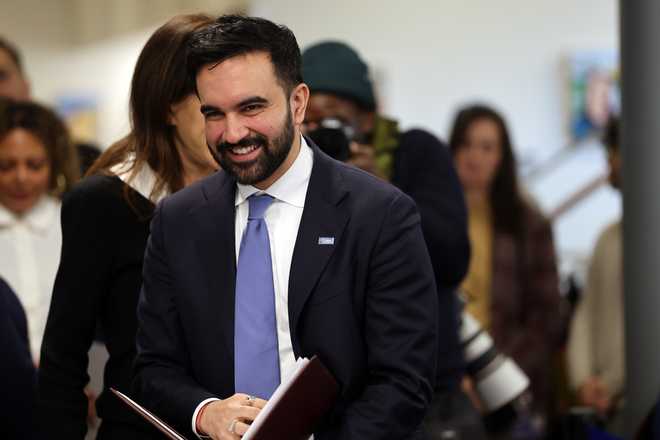
All eyes will be on New York City’s incoming mayor in 2026.
Mayor-elect Zohran Mamdani shocked the political world in 2025 by knocking off former Gov. Andrew Cuomo in the Democratic mayoral primary. Then, he did it again in the general election, overcoming Cuomo’s Trump-backed independent run.
Mamdani, a self-avowed democratic socialist, has proven to be a strong candidate. Whether he’ll be a strong mayor remains to be seen.
He’s made some bold policy promises, including a rent freeze, fare-free buses and universal child care. If he falls short, it could affect not only his own standing but also perceptions of progressive leadership going forward. Conversely, if he succeeds, he could offer a blueprint for Democrats nationwide.
Jasmine Crockett
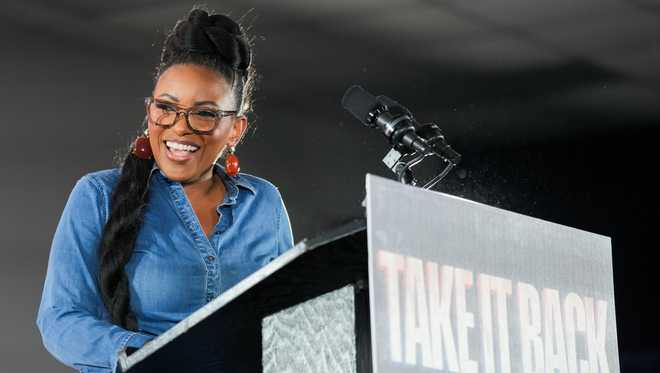
The prominent House Democrat is taking a big swing next year, setting her sights on a promotion.
Rep. Jasmine Crockett of Texas announced on Dec. 8 that she would seek the party’s nomination for U.S. Senate.
She’s facing state Rep. James Talarico, and early polling shows her ahead.
Still, even if she wins the primary, taking a general election in Texas will be tough. Democrats haven’t won a statewide race there since 1994.
It’s a major gamble for a rising politician early in her national career. She could have run for House reelection, though the GOP’s new map drew her home out of the deep-blue 30th District.
Instead, Crockett is choosing the high-upside, high-risk path. If she wins, she’ll vault onto the short list of Democratic presidential contenders. If she loses, her congressional career will be cut short, for now.
Thomas Massie
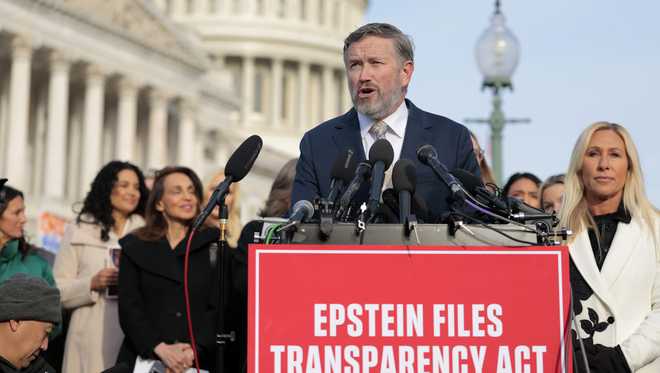
Rep. Thomas Massie, R-Ky., has done something few Republicans ever have: taken on Trump and won.
In July 2025, Massie called for the full release of the Jeffrey Epstein files, introducing a discharge petition with Rep. Ro Khanna, D-Calif.
At the time, Trump, who had campaigned on releasing the files, began calling the Epstein issue “a big hoax,” defending his administration’s lack of movement.
After Massie introduced the petition, Trump called the six-term representative an “Embarrassment to Kentucky.”
Nevertheless, Massie didn’t back down. After months of advocacy and overwhelming public support for releasing the files, he got the rest of the GOP on board, including Trump.
Trump reversed himself in early November, ultimately signing the law to force the release following the House and Senate passing the bill almost unanimously.
Massie has opposed Trump on other issues as well, including voting against the “one big, beautiful bill” and criticizing his foreign policy. But it’s the Epstein files that have further raised his profile.
He faces a primary challenge from a Trump-backed candidate, and others may jump in to try to squeeze him out.
It won’t be easy, but if he can sustain the momentum he built at the end of 2025, he just might do something no Republican has ever done: take Trump on twice and win.
Gavin Newsom
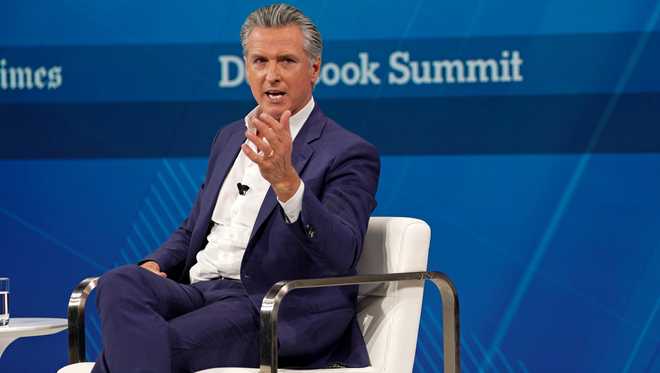
California Gov. Gavin Newsom is currently the leading contender for the 2028 Democratic presidential nomination.
Whether through his sharp X account or his various appearances on cable TV and popular podcasts, Newsom has made his voice heard, leading the opposition to the second Trump administration.
High-profile standoffs over National Guard deployments and redistricting have given him a platform, and he has seized it.
He has risen through California politics, overcoming personal hurdles and professional controversies along the way.
Like his potential 2028 opponent, Vance, Newsom has also undergone a political evolution, from “conservative mayor” to progressive governor.
He remains the favorite, but the field isn’t closed to a challenger who could overtake him as the party’s top contender.
While on the subject of governors with potential presidential aspirations, a quick shout-out to Govs. Josh Shapiro, D-Pa., JB Pritzker, D-Ill., Sarah Huckabee Sanders, R-Ark., Ron DeSantis, R-Fla., Andy Beshear, D-Ky., Spencer Cox, R-Utah, and Tim Walz, D-Minn.
Alexandria Ocasio-Cortez

Rep. Alexandria Ocasio-Cortez, D-N.Y., isn’t the new kid on the block anymore.
Now in her fourth term, Ocasio-Cortez, better known as AOC, has become a leading voice of the Democratic Party’s progressive wing.
She has also worked to build bridges with moderates, campaigning hard for former Vice President Kamala Harris in 2024 and raising money in 2025 for Virginia’s governor-elect, Abigail Spanberger, a vocal critic of socialism. Ocasio-Cortez is a self-described democratic socialist.
She routinely appears in hypothetical polls for the 2028 Democratic presidential primary, typically placing third or fourth behind Gavin Newsom, Harris and sometimes former Transportation Secretary Pete Buttigieg.
Still, there’s reason to believe the 36-year-old isn’t in a rush to seek the presidency. She may instead challenge Sen. Chuck Schumer, D-N.Y., for his seat in 2028.
Either way, AOC isn’t going anywhere. With her platform and popularity, she will remain a stalwart of the progressive movement.
Pam Bondi and Kash Patel
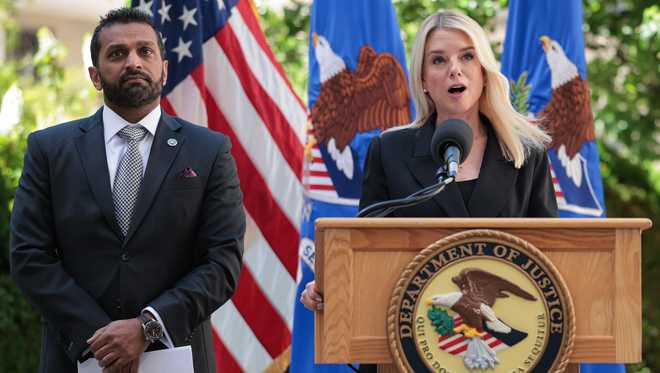
Attorney General Pam Bondi and FBI Director Kash Patel have drawn more headlines than almost anyone in Trump’s cabinet. Perhaps only Defense Secretary Pete Hegseth rivals them.
Throughout 2025, Bondi and Patel have faced mounting criticism over the handling of the Epstein files, allegations of using their offices to target Trump’s perceived political opponents and reports of government-fund misuse.
Both have already had to bat down resignation rumors, which is never ideal.
What 2026 holds for Bondi and Patel is unclear. But as the administration’s top law enforcement officials, they’re likely to be on the front lines of Trump’s next moves.
John Roberts
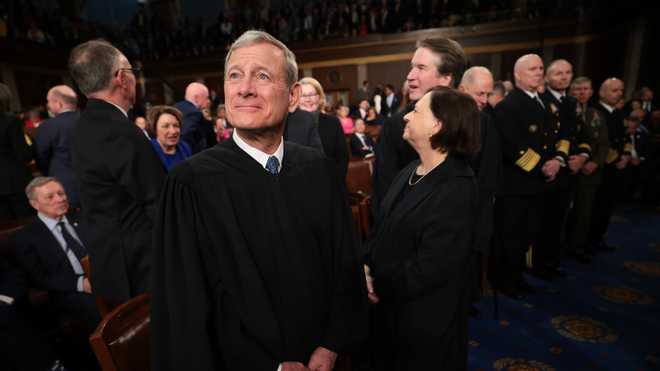
Supreme Court Chief Justice John Roberts has long maintained he is not ideologically driven.
But it’s no secret that, under his leadership, the court has shifted right since Trump’s first term, aided by the confirmations of Justices Neil Gorsuch, Brett Kavanaugh and Amy Coney Barrett.
In that span, the court overturned Roe v. Wade, expanded gun rights, struck down affirmative action in college admissions, curtailed regulatory authority, limited challenges to partisan gerrymandering and recognized broad presidential immunity in Trump v. United States.
In 2026, the court is expected to weigh a number of consequential issues, including transgender participation in women’s sports; separation of powers and agency independence; birthright citizenship; laws on conversion therapy; Trump-era tariffs; and mail-in voting rules.
Roberts won’t be personally responsible for the outcomes, but they will be part of the legacy of his court.