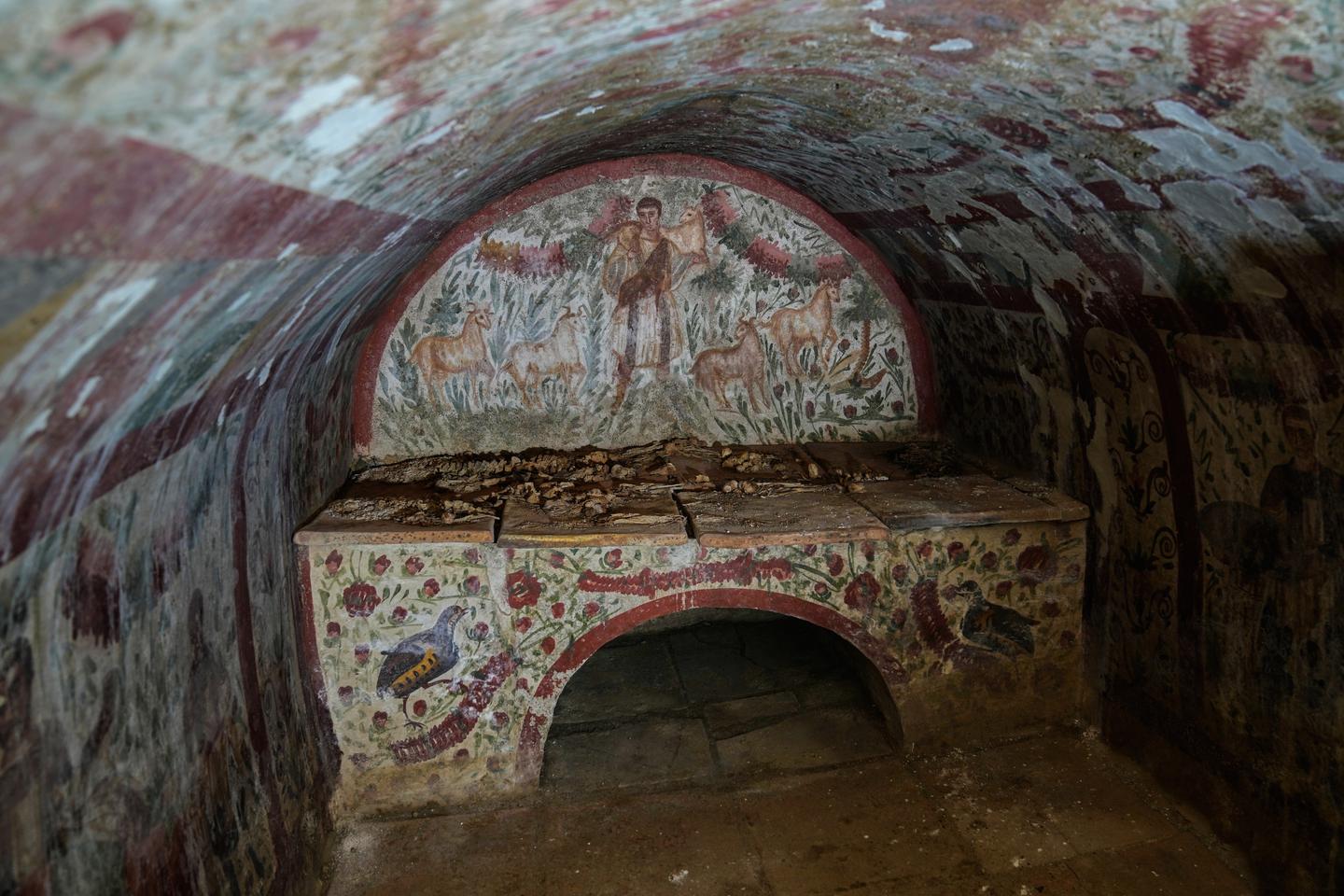
The dust had barely settled in Iznik, Turkey, where Pope Leo XIV had chosen to travel at the end of November for his first apostolic journey, when new winds began to blow. Accompanied by a cohort of journalists, the Roman pontiff had come to this small, peaceful town, once called Nicaea, before the ruins of a basilica discovered in 2014. One thousand and seven hundred years earlier, the Roman emperor Constantine had gathered bishops there in a council to define the Nicene Creed: the foundations of belief for Christianity, which had emerged less than three centuries before.
It was the year 325, a turbulent time and region. The Roman Empire was in crisis and Byzantium, located two days’ walk away, was not yet a capital, but was already a remarkable crossroads of peoples and civilizations between Asia and Europe.
You have 90.94% of this article left to read. The rest is for subscribers only.