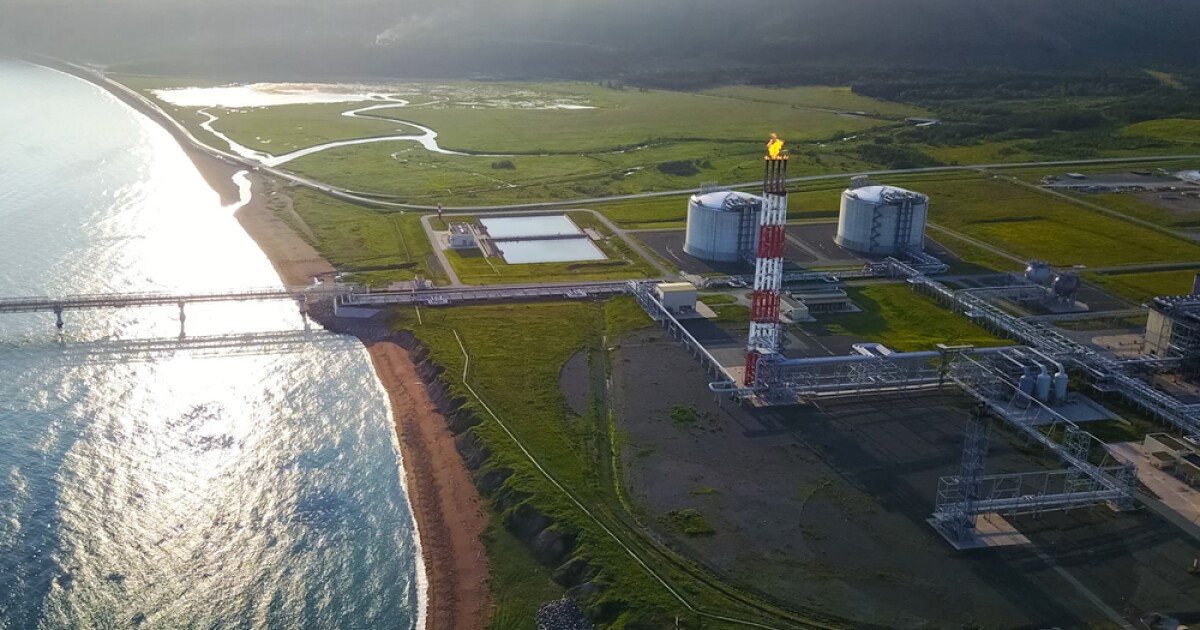
After a blockbuster 2025 for the LNG sector, driven by a record number of final investment decisions (FIDs) in the US, signs are starting to emerge that momentum is slowing, setting up a less robust 2026. Skyrocketing construction costs and fears of a looming supply glut are weighing on projects and contracting. Energy Transfer’s recent decision to suspend work on its 16.5 million ton per year Lake Charles LNG project in Louisiana is an early indication that the booming LNG sector could tap the brakes in the new year. Lake Charles LNG appears to have been a victim of what many industry watchers have described as “concentration risk.” The phrase refers to risks inherent in having a high volume of liquefaction capacity concentrated in a single geographic area, such as the US Gulf Coast. These projects compete against each other, not just for LNG offtakers, but also for skilled labor in an increasingly stretched workforce. “This is full-body-contact capitalism,” Amy Chen Davis, Energy Transfer’s vice president of Lake Charles LNG, said at a Houston conference a week before the company announced its decision on Dec. 19 to stop work. “And, inevitably, you’re betting down the price, you’re getting a very thin margin.” Instead of moving forward in early 2026 as planned, Energy Transfer said it will instead invest in its core pipeline business, where it sees a “superior risk/return” profile.