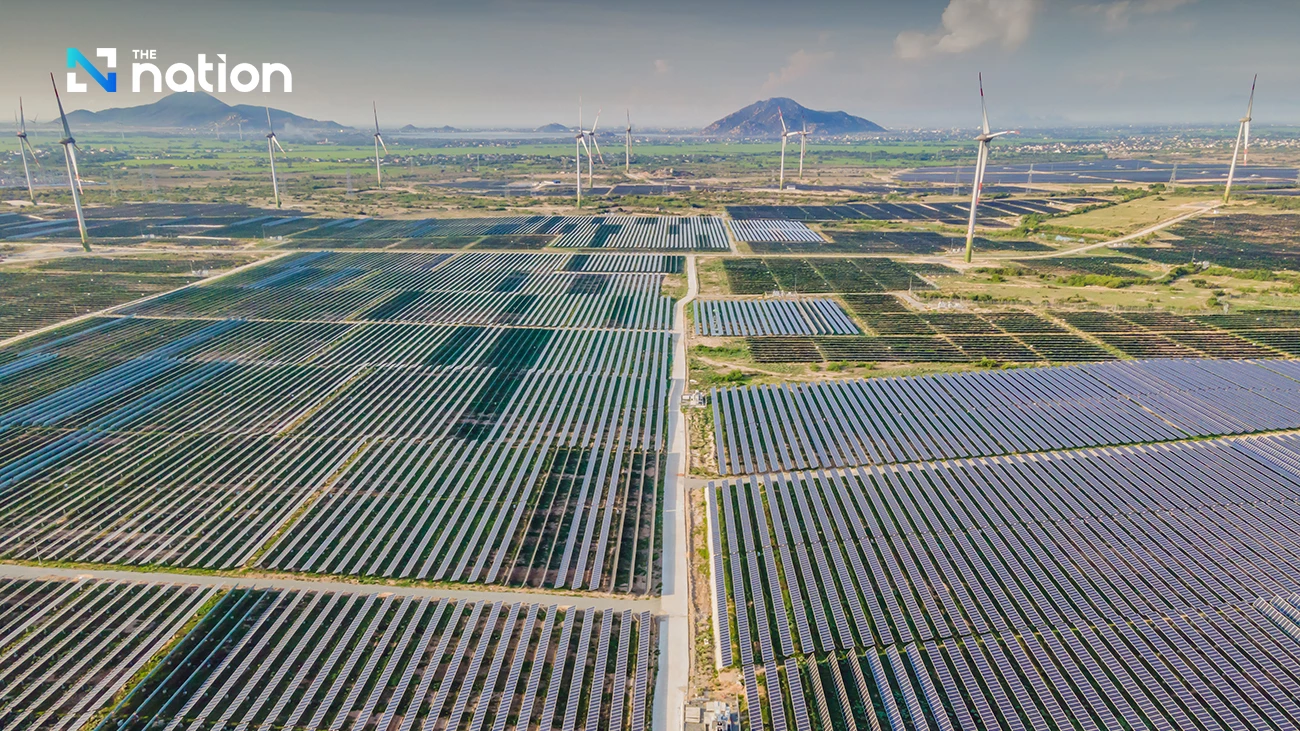
Europe reshapes industry to restore competitiveness
As Europe reviews its industrial model to regain competitiveness, the Net-Zero Industry Act aims to ensure that by 2030, at least 40% of demand is met by technologies that can be produced within the EU.
The bloc is also moving to recycle more critical materials and to restrict exports of permanent magnets and metal scrap in an effort to reduce reliance on external supply chains.
Energy-infrastructure security returns to the top of the agenda
Geopolitical tensions have pushed energy security back to the top of the policy agenda, making resilience the second major theme for 2026.
China continues to strengthen the resilience of its energy infrastructure and expand leadership in new technologies. Europe is pivoting away from Russian fuels, with the stated objective of eventually ending reliance on Russian gas, oil and nuclear energy.
The United States is working to diversify supply and reshore the production of lithium, cobalt, nickel and rare earths.
At the same time, resilience increasingly includes economic and social stability—from traditional hedging against oil and gas supply risks to ensuring affordable access and system flexibility in the face of newer threats such as cyber risks, climate impacts and supply-chain volatility.
Public attention has shifted to immediate impacts—near-term benefits such as community livelihoods and lower electricity bills—in exchange for accepting wind farms, transmission lines, factories or data centres.
Artificial intelligence and energy in 2026
Rapid growth in energy demand from the AI industry is creating an energy “bottleneck” driven by the massive electricity needs of data centres. This surge is reshaping corporate priorities.
According to Bloom Energy’s 2025 Data Centre Power Report, access to power has become the single most important factor in choosing a data-centre location—overtaking traditional concerns such as digital-network connectivity.
In practice, this means competition will intensify in 2026 over grid capacity and flexible power options—centred on affordability, reliability and low carbon intensity.
Any investment destination that can offer large volumes of cheap, reliable and clean electricity will enjoy a structural advantage in attracting AI-driven investment.
The energy transition becomes more competitive
All of this points to 2026 as a year defined less by fresh pledges and more by competition for advantage in an increasingly politicised, complex energy landscape.
Success will require a form of resilience that fits local realities—delivering energy that is affordable, stable and environmentally responsible. Crucially, these benefits must be clearly demonstrated in real projects for them to endure, which is far more complex than simply telling an environmental story.
As a result, governments may place less emphasis on climate commitments this year and focus more on protecting industry and future jobs—such as in batteries, hydrogen, data centres and clean-tech manufacturing.
Looked at another way, it is still a pathway to the energy transition, but with a different narrative.