 The Slalom podium at Semmering: Mikaela Shiffrin 1st, Camille Rast 2nd, Lara Colturi 3rd. | Image: FIS Alpine IG
Mikaela Shiffrin’s latest World Cup Slalom race in Semmering, Austria, may have ended with another win for the American ski racer, but her victory was overshadowed by discussions and comments by athletes and national teams about unfair preferential treatment of the star athlete.
The flashpoint came ahead of the second run, when Shiffrin, fourth after run 1, identified what she described as a critical and potentially unskiable section during inspection on the Zauberberg course. According to Eurosport, Shiffrin raised the issue with FIS officials and several coaches. Race organizers ultimately altered the course, citing safety concerns.
The problem, however, was the timing of the alterations to the course. By the time the change was made, every athlete except Shiffrin and Latvia’s Dzenifera Germane had already completed their inspection. In the end, Shiffrin spent 11 more minutes than allocated on the course, which could have given grounds for a disqualification. However, the inspection window was extended by 15 minutes, which many racers argued was insufficient time to properly reassess the altered section. Ultimately, some felt that this created an uneven playing field, despite FIS releasing a video to all teams of the changed section.
Swiss skier Camille Rast, who had been leading after run 1 and went on to finish in second place 0.09 seconds behind the American, was visibly frustrated by the decision. “I’m not happy. We had all already inspected. It should be the same for everyone,” she told Eurosport in a post-race interview.
Swiss-Ski confirmed that it examined the possibility of lodging a formal protest, before ultimately deciding against it. Women’s head coach Beat Tschuor said officials had explained the situation clearly and that any protest would likely have been rejected. Still, his dissatisfaction remained evident. “It was important to me to send a sign that this is not okay,” Tschuor said. “It must be fair for everyone.”
Others took a more measured view. Austrian alpine director Christian Mitter acknowledged the situation was imperfect but downplayed its broader significance, saying the focus should remain on performance rather than officiating. Mitter stated in an interview with Austrian media, “We did not actually move a gate; this was about correcting a course variation that was deemed dangerous after consultation with the coaches on site.”
The course itself drew heavy criticism across the field. Changing snow conditions led to dramatic deterioration during the first run, particularly for later starters. In total, 39 of 79 athletes failed to finish run 1–a near 50 percent DNF rate that many described as excessive for a World Cup slalom. Another six skiers failed to finish run 2, taking the total to 45 DNFs or DSQs. The six-second gap from first to 30th skier in run 1 further underlined how extreme the conditions had become during the afternoon.
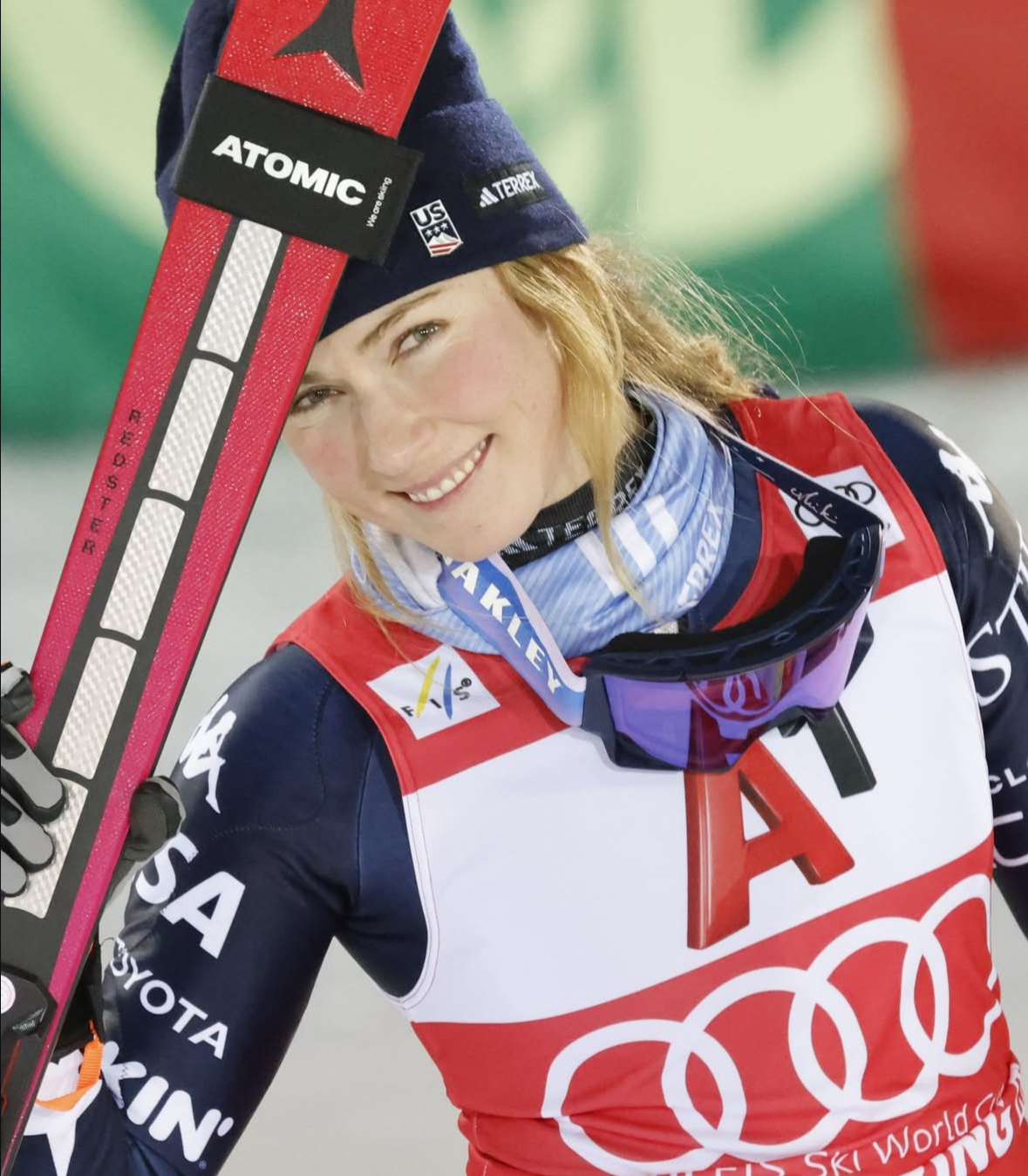 Mikaela Shiffrin claimed her 106th World Cup victory at Semmering but drew criticism for receiving an unfair advantage. | Image: FIS Alpine IG
In a lengthy statement shared on social media after the race, Shiffrin pushed back against suggestions that the course change was about gaining a competitive edge. She framed the controversy as a safety failure that should never have reached the inspection stage. “The change that was made by FIS was necessary for safety,” Shiffrin wrote, “but this should have been addressed before opening inspection—not while athletes were already inspecting—which led to confusion, inspection delay, and questions about fairness.”
Shiffrin acknowledged the frustration felt by others, noting that the situation had become “reactive rather than proactive,” and stressed that her intervention was motivated by concern for athletes’ wellbeing, not results. She revealed that multiple competitors told her they felt “frustrated, shaken, and even scared” before starting.
While congratulating Rast and Lara Colturi for their performances, Shiffrin was blunt in her assessment of the race overall, calling it “not a good representation of our sport.” She pointed to the unusually high DNF rate—the highest since 1999, according to figures she cited—as evidence that the balance between challenge and safety had been lost. “This sport is beautiful,” she wrote, “and we need to make sure course sets complement the surface conditions so the race is as safe, fair, and as meaningful as possible.” While third-placed Lara Colturi voiced her support in the comment section of Shiffrin’s post, there was notable silence from Swiss and Austrian athletes, including Camille Rast.
As the women’s World Cup season continues in the new year, it can only be hoped that FIS learns from these incidents and avoids further controversy for the rest of the 2025-26 World Cup season.