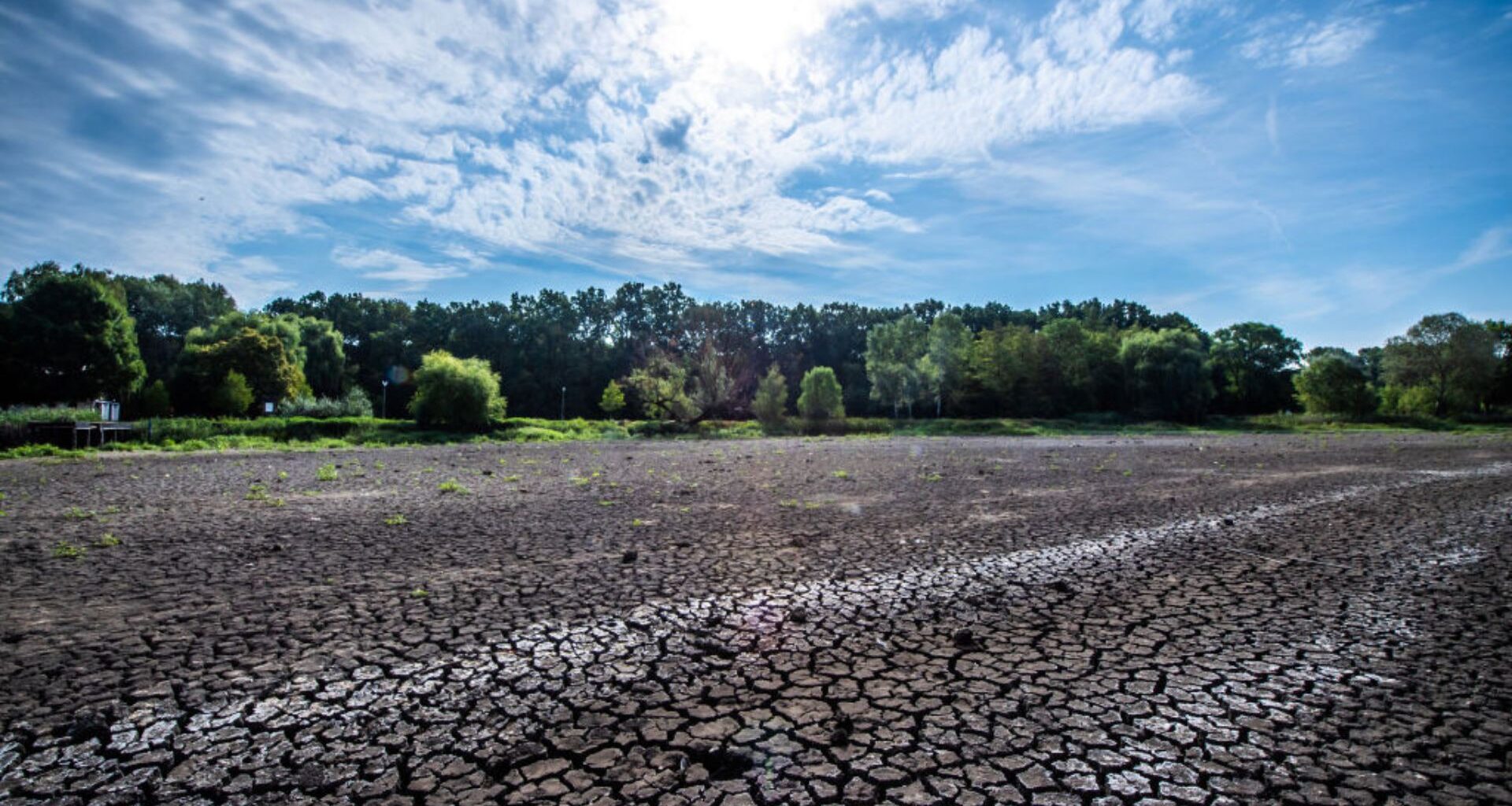
In the Homokhátság region of southern Hungary, a group of farmers and volunteers is fighting rapid desertification using a unique resource: repurposed thermal water.
The region has transitioned from a productive agricultural center to a semiarid zone due to a rapid decline in groundwater levels and the emergence of desert-like dune formations.
This stretch of the Great Hungarian Plain was once the nation’s breadbasket, a lush expanse of silt and soil regularly replenished by the flooding of the Danube and Tisza rivers. Today, it looks more like the African Sahel than Central Europe. Deep cracks spiderweb across the earth.
The wells are running dry, and the water table is in a free-fall that locals call “unbelievable.”
Scientists call it aridification. The locals call it a disaster. Experts blame a toxic cocktail of climate change, poor farming practices, and decades of mismanagement for the Homokhátság’s descent into a desert.
Tha harsh climate
A cruel meteorological loop fuels the crisis. According to researchers at Eötvös Loránd University, the region’s air is so dry it acts as a physical barrier to rain.
Essentially, these parched surface layers cause incoming storm fronts to evaporate before they can hit the ground, preventing precipitation and leaving the land even drier.
The rain vanishes mid-air, leaving behind only wind that strips away the remaining topsoil.
“Water retention is simply the key issue in the coming years and for generations to come,” meteorologist Tamás Tóth told ABC News. “Climate change does not seem to stop.”
“The atmosphere continues to warm up, and with it the distribution of precipitation, both seasonal and annual, has become very hectic, and is expected to become even more hectic in the future,” he said.
While the government has formed “drought task forces,” a band of 30 volunteers known as the “Water Guardians” has taken matters into their own hands. And their weapon of choice is Hungary’s famous thermal water.
For years, the nearby thermal spas — popular for their healing mineral properties — pumped their overflow into drainage canals where it eventually ran to waste.
They saw a lifeline. After months of negotiations, the group began redirecting this purified, cooled thermal water onto a 6-acre patch of low-lying land.
Reportedly, the goal is to restore the “natural cycle of flooding that channelizing the rivers had ended.”
“When the flooding is complete, and the water recedes, there will be 2½ hectares of water surface in this area,” Oszkár Nagyapáti, Southern Hungary landowner, who is taking the lead in this initiative. This will be quite a shocking sight in our dry region.”
Tackling drought through thermal water
By blocking canal sluices to collect repurposed spa water, the “water guardians” successfully transformed a low-lying field into a shallow marsh by early December.
This artificial flooding aims to do more than recharge the groundwater; it creates a vital microclimate where surface evaporation boosts humidity and lowers temperatures.
Nagyapáti believes this small body of water will have a massive ripple effect, stabilizing the soil and reviving vegetation within a 2.5-mile radius of the site.
As persistent droughts and agricultural losses strain Hungary’s economy, the “water guardians” have demonstrated a tangible alternative to desertification.
Their first successful flooding attempt has already boosted local groundwater levels and revived native wildlife, prompting the now 30-strong volunteer group to plan further expansion
Nagyapáti intends for this spa-water initiative to serve as a scalable model, empowering other regions to adopt similar conservation tactics to safeguard Hungary’s dwindling water supplies.