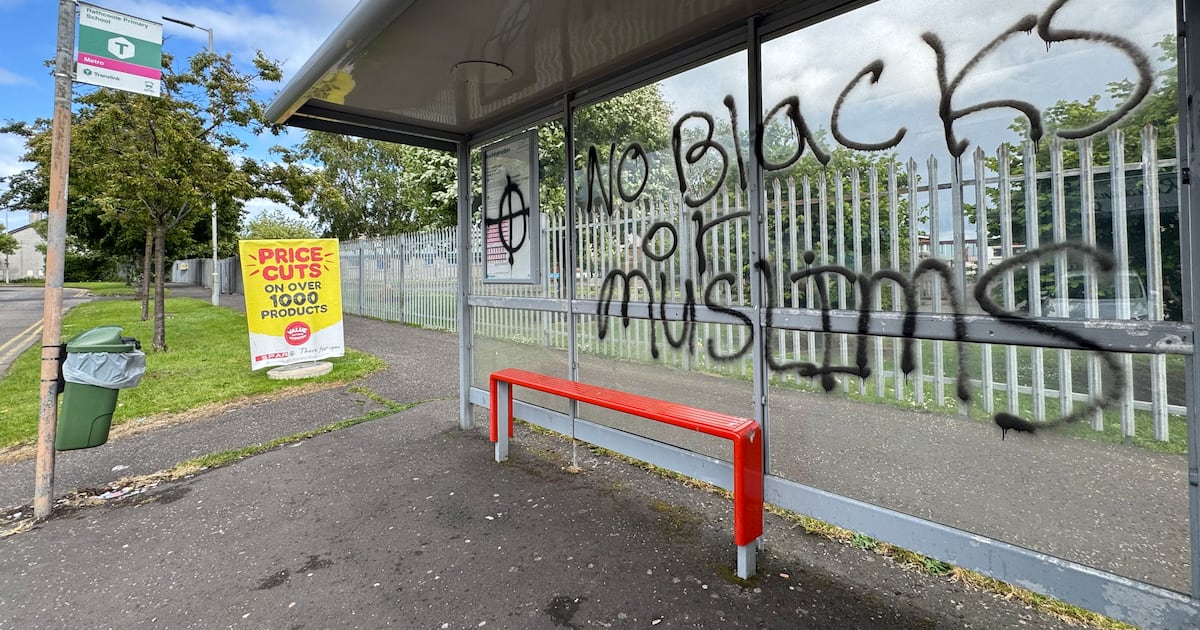
Increasing numbers of racist attacks and violence on the streets of Northern Ireland have led immigrant groups to share information about ‘no-go areas’ they should avoid.
Race hate crimes in the north have reached a record high in what a human rights organisation has branded a ‘year of hate and fear’.
The last two summers of this year and 2024 saw racially motivated disorder, which has led to the rising numbers of hate crimes and incidents which have been reported to the PSNI.
Migrant businesses and homes were attacked last August in south Belfast, while others fled from burning homes following the unrest in Ballymena in June of this year.
Now asylum seekers of various nationalities are receiving information about certain areas which they should avoid living in or travelling to in order to escape racist incidents.
Speaking to The Irish News about their experience of living in Belfast, two members of the Sudanese community in the city said those arriving to the north are quickly given information about areas which are deemed unsafe.
Sudanese asylum seekers represent one of the largest nationalities of those who come to the north.
Soma Haroun, who fled Sudan after a brutal civil war broke out in the country in 2023, said she has found Belfast to be a welcoming place for the most part, but that attitudes towards asylum seekers and people of colour are not always positive.
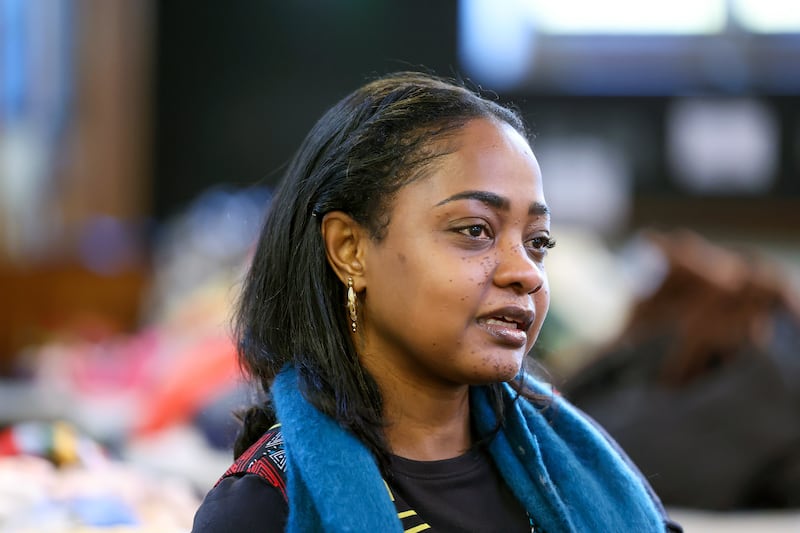 Soma Haroun. PICTURE: MAL MCCANN
“People in the street, it depends. It depends in which part of the street you are on,” Ms Haroun said.
“I live in north Belfast, so it’s mostly very welcoming people. People will greet you, say hi, but there are some places in Belfast I really avoid to go.
“The people who lived here before I came, they gave us instructions about where to go and what to do if you get harassed, or someone has been racist to you.”
The university graduate says she was given a rude awakening to life in Belfast after she went out with a friend who had tried to get part-time work as a hairdresser.
“The first week I came here, me and my friend were going around one of the streets in Belfast, we didn’t know the historical background and people were very, very rude to us.
“I was like, why? Why are they being rude? My friend loved to work in salons so we just visited a couple of salons and they said no before we even tried.
“So when I told the others, they told me that I shouldn’t go there, it is one of the dangerous places.
“So yeah, I think it depends where you are, it depends on the people that you hang around with.
“Other people that came with me they have had different experiences. My friend works in a restaurant which had a very serious racist attack. It was difficult for her because she didn’t speak the language.”
Twasul Mohammed, another Sudanese national who has lived in Belfast since 2016, works with a local rights organisation providing support to newly-arrived refugees and asylum seekers.
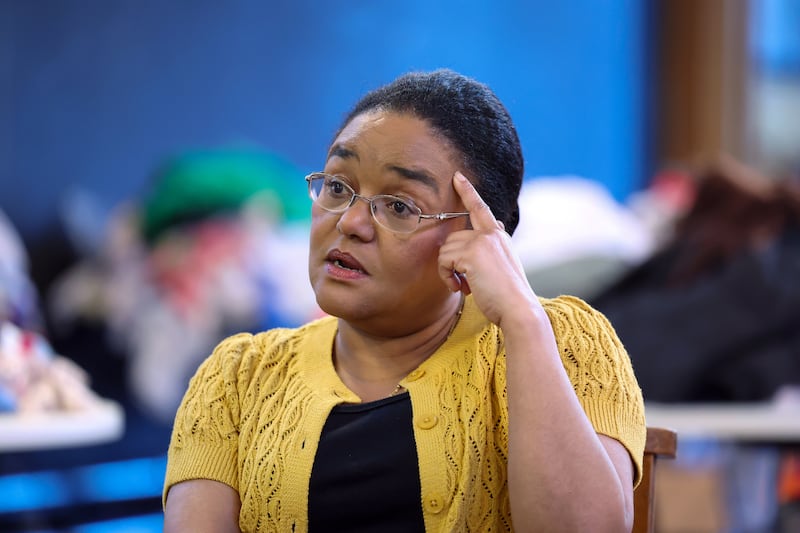 Twasul Mohammed. PICTURE: MAL MCCANN.
While she says Belfast remains a “welcoming place”, Ms Mohammed added that knowledge and information about certain geographic areas of the north get passed down to immigrants from those who have arrived before them.
“It comes with experience. I work with housing issues, so many people will come to me because their houses were attacked, their windows were smashed or graffiti was written on their wall.
“So from all the complaints I have received, I could tell quickly which places aren’t welcoming for refugees, asylum seekers or people of colour.”