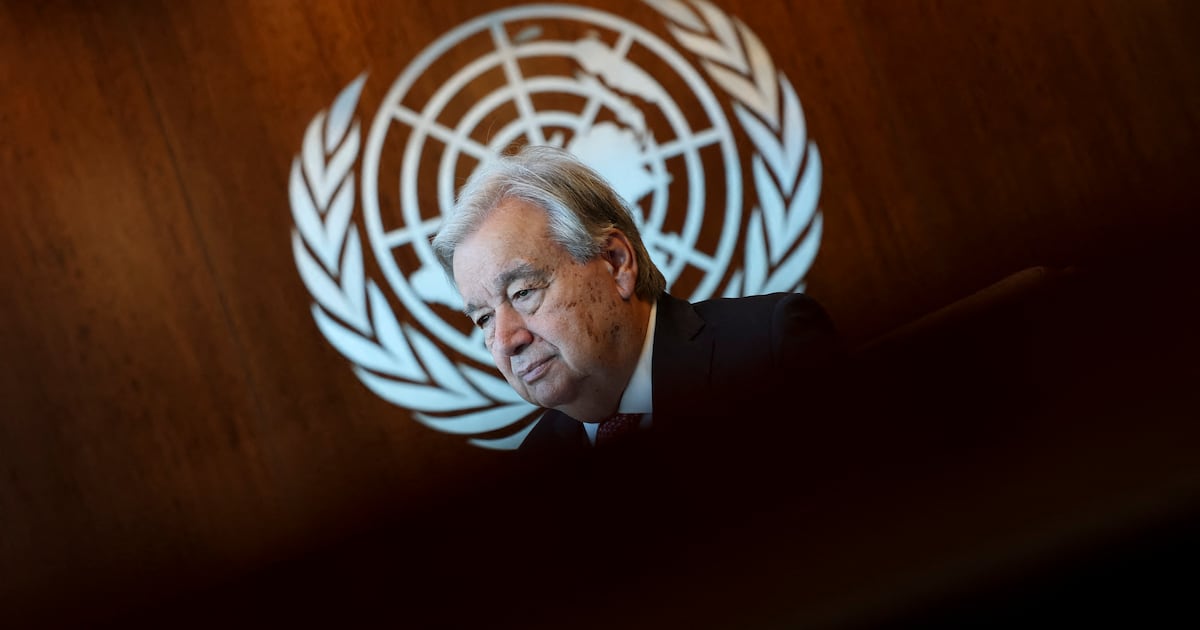
United Nations secretary general António Guterres has condemned Israel’s decision to cut electricity and water supplies to facilities owned by UN Palestinian refugee agency Unrwa.
A UN spokesperson said the move would “further impede” Unrwa’s ability to operate and carry out activities.
“The convention on the privileges and immunities of the United Nations remains applicable to Unrwa, its property and assets and to its officials and other personnel. Property used by Unrwa is inviolable,” said Stephane Dujarric, Mr Gutteres’s spokesperson. She said the agency was an “integral” part of the world body.
Unrwa commissioner general Philippe Lazzarini also condemned the move, describing it as “outrageous” and saying it was part of an ongoing campaign to obstruct the role it played in providing assistance to Palestinian refugees.
Israel’s decision to cut off electricity, water and communications from Unrwa facilities follows the alleged involvement of some of the agency’s staff in the October 7th, 2023, Hamas-led attacks on southern Israel.
Following an investigation, Unrwa terminated the contracts of nine staff members in 2024 and condemned the attacks in the “strongest possible terms”.
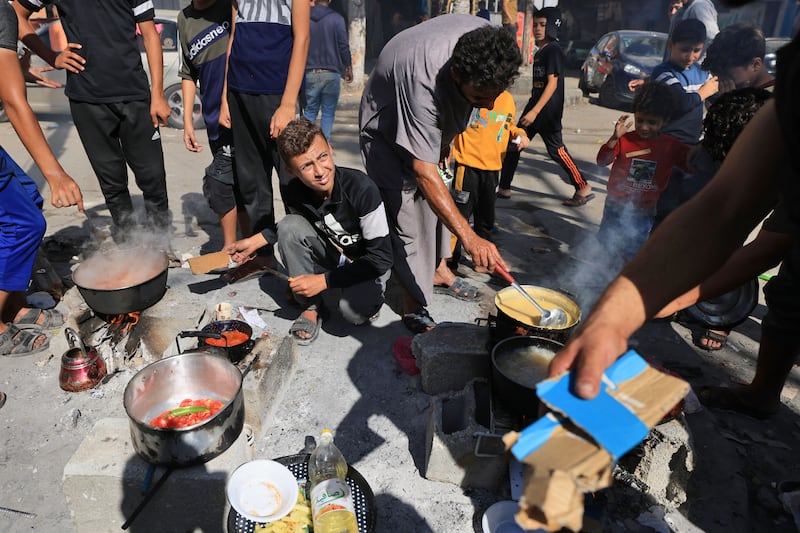 Palestinians prepare food in front of the Unwra school at the Nuseirat refugee camp in Gaza Strip. Photograph: Mahmud Hams/Getty
Boaz Bismuth, chair of the Knesset parliament’s foreign affairs and defense committee, who introduced the Bill restricting Unrwa activities this week, referred to the agency as a “partner in terrorism”.
“Unrwa has for years been posing as an aid agency when, in fact, it is an arm of Hamas – terrorists in disguise under the auspices of the United Nations,” he said.
The new law also blocks communications, banking and financial services to Unrwa and enables Israel to seize land in the agency’s possession, including the organisation’s headquarters and training centre in East Jerusalem.
In addition, beginning on Thursday, Israel is blocking the operation of more than 30 NGOs in Gaza after they failed to provide updated lists of their employees as required under a new Israeli regulation.
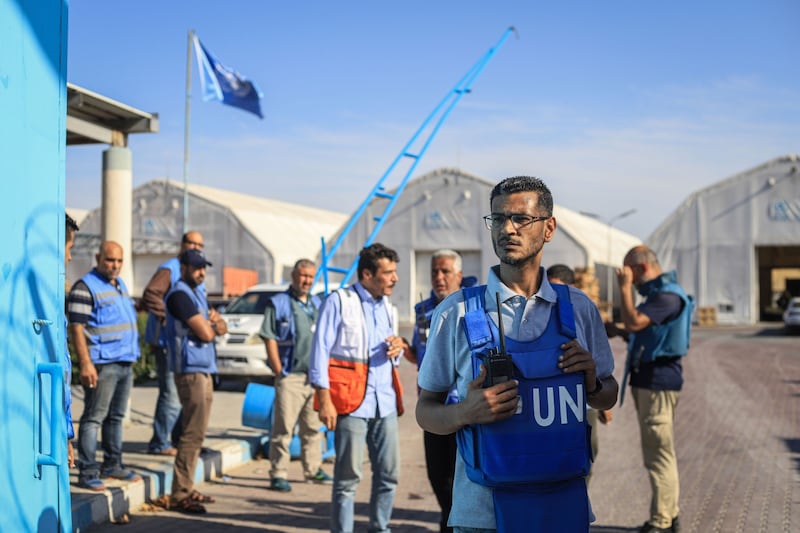 Relief workers await the arrival of trucks carrying aid at a Unwra warehouse in Gaza. File image. Photograph: Ahmad Salem/Bloomberg
Israel claimed the new requirements were introduced to ensure NGO staff were not linked to Hamas or other militant groups. The move has been criticised by the European Union, as well as countries including the UK and Canada, for restricting life-saving aid.
Separately, Tel Aviv is to reportedly reopen the Rafah border crossing between southern Gaza and Egypt in the coming days, allowing both the entry and exit of Gazans, after US president Donald Trump raised the issue during talks in Florida this week with Israeli prime minister Binyamin Netanyahu.
The crossing was supposed to reopen as part of the October Gaza ceasefire agreement, but Israel wanted to open the terminal exclusively for the exit of Palestinians until the body of the final Israeli hostage, police officer Ran Gvili, was returned.
Israeli media reported how Mr Netanyahu was now willing to open the crossing in order not to be seen as the party that was blocking the implementation of phase two of the Gaza ceasefire.