Published on
January 2, 2026
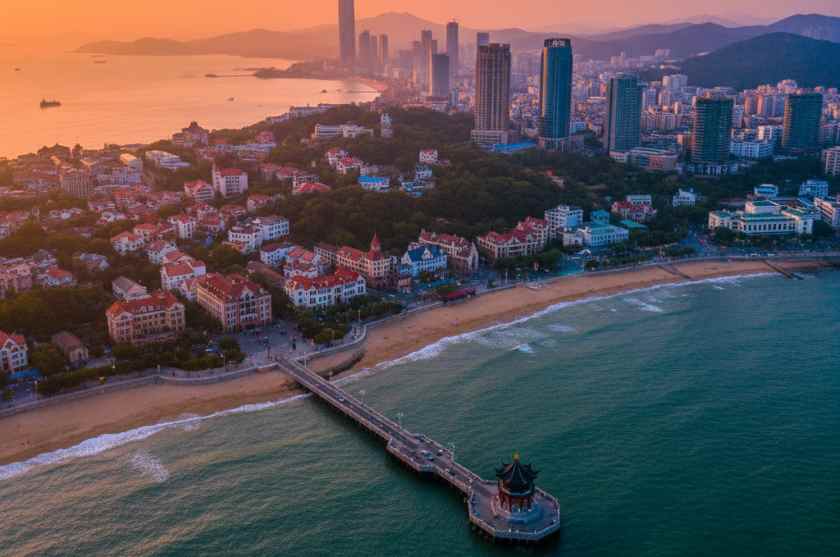
As the calendar flipped to the new year, South Korean tourists made their way to the picturesque coastal city of Qingdao in east China to celebrate the 2026 New Year. Known for its stunning coastal scenery, German colonial architecture, and rich cultural heritage, Qingdao has become a popular destination for travelers looking for a refreshing New Year getaway. The city’s strategic location on the eastern coast of China, coupled with its reputation for vibrant local festivals and natural beauty, has made it a favored spot for tourists from neighboring South Korea.
The New Year’s celebrations in Qingdao saw an influx of South Korean visitors, eager to explore the city’s iconic landmarks, experience its unique cultural heritage, and enjoy a more relaxed pace of celebration. With direct flights connecting Seoul to Qingdao, the trip offers a short and convenient option for South Korean tourists looking to ring in the new year with a touch of international charm and coastal allure.
Qingdao: A City of Natural Beauty and Cultural Heritage
Qingdao, located in Shandong Province, has long been known for its scenic beauty, with its stunning coastline, picturesque beaches, and mild climate making it an attractive year-round destination. The city is famous for its historical German-style architecture, particularly in areas like the Zhanqiao Pier and Badaguan Scenic Area, where colonial-era buildings line tree-lined streets. Tourists can stroll through the city’s well-preserved architecture, offering a glimpse into Qingdao’s history as a former German concession in the late 19th century.
Beyond the urban landscape, Qingdao is also home to beautiful beaches such as Shilaoren Beach, a popular spot for both locals and tourists. With its clear waters, sandy shores, and relaxed atmosphere, the beach provides a perfect escape for travelers looking to unwind or enjoy water sports. Visitors can also take a boat cruise around the coastline, offering panoramic views of the city and the nearby islands.
For those interested in the local culture and history, Qingdao Old Town offers a treasure trove of historical landmarks, temples, and markets. The Qingdao Municipal Museum showcases the region’s history, from its early days as a fishing village to its transformation into a bustling port city. The Tsingtao Brewery Museum, located in the iconic Tsingtao Brewery, offers a fascinating glimpse into the city’s beer brewing tradition, which dates back to its colonial past.
Cultural Celebrations and New Year Festivities
The New Year celebrations in Qingdao attract tourists with a blend of traditional Chinese festivities and local cultural events. The city’s vibrant public spaces, including May Fourth Square and Qingdao Olympic Sailing Center, were filled with festive displays, fireworks, and cultural performances. Visitors were treated to traditional Chinese music, dance performances, and fireworks shows, adding a magical atmosphere to the city’s already enchanting streets.
For South Korean tourists, Qingdao offered a unique opportunity to experience both Chinese and local Shandong culture. The city’s food scene is one of its biggest draws, with a wide variety of dishes, ranging from seafood to local specialties such as Jiaozi (dumplings) and Shandong-style dumplings. Qingdao’s seafood, particularly its clams, sea cucumbers, and fish, is renowned across China, making it a must-try for culinary tourists. During the New Year period, many restaurants in Qingdao host special New Year banquets, where visitors can enjoy traditional meals with friends and family.
South Korean visitors were also eager to experience Qingdao’s rich tea culture. The Qingdao Tea Festival, which is held annually in the city, celebrates the region’s long-standing tea heritage. Tourists can explore tea plantations, sample local teas, and learn about tea culture, which has become increasingly popular among travelers from South Korea, where tea culture is also highly valued.
Easy Access and Growing Popularity Among South Korean Tourists
Qingdao’s proximity to South Korea and its well-connected transport links make it an accessible destination for South Korean travelers. Direct flights from Seoul’s Incheon International Airport to Qingdao Liuting International Airport make the journey quick and convenient, taking just under two hours. With the rise of low-cost carriers, travel between the two countries has become more affordable and accessible to a wider audience.
Tourism between South Korea and China has been growing steadily, with Qingdao being one of the most popular destinations for South Korean tourists due to its cultural richness and proximity to major urban hubs in China. During major holidays like Chinese New Year and the Mid-Autumn Festival, Qingdao sees an even greater number of South Korean visitors who want to experience the local festivities and traditions.
The Economic Impact of Tourism in Qingdao
Tourism is a vital sector for Qingdao, contributing significantly to its economy. The influx of South Korean tourists, especially during peak periods such as the New Year, boosts local businesses, including hotels, restaurants, and local tour operators. In recent years, Qingdao has focused on expanding its tourism infrastructure, offering new attractions, upgrading public transport systems, and improving hospitality services to accommodate the increasing number of international visitors.
The South Korean market is a key focus for Qingdao’s tourism campaigns, with the city’s tourism authorities working to promote Qingdao as a destination that combines cultural immersion, natural beauty, and culinary experiences. The rise in South Korean visitors is expected to continue, as both countries share historical ties and cultural affinities, making Qingdao an attractive travel destination for South Korean tourists seeking a nearby international getaway.
Looking Ahead: The Future of Tourism Between South Korea and Qingdao
As tourism continues to flourish between South Korea and Qingdao, both governments are exploring ways to strengthen cultural and tourism exchanges. Future events, such as the Qingdao International Beer Festival and additional cultural festivals, are expected to draw more South Korean tourists to the city. With its rich blend of culture, history, and modern amenities, Qingdao is likely to become an even more popular destination for South Korean travelers in the coming years.
Qingdao’s tourism sector is evolving, with an increased focus on sustainable tourism, cultural preservation, and immersive travel experiences. As the city continues to grow as a key destination for South Korean tourists, it is well-positioned to benefit from the ongoing expansion of tourism between China and South Korea.
Conclusion
Qingdao’s popularity as a New Year destination for South Korean tourists underscores the growing appeal of this coastal city. With its mix of cultural festivities, natural beauty, and unique culinary experiences, Qingdao offers a distinctive travel experience just a short flight from South Korea. As tourism between the two countries continues to grow, Qingdao is set to remain an essential destination for visitors seeking a vibrant and culturally rich experience in east China.
