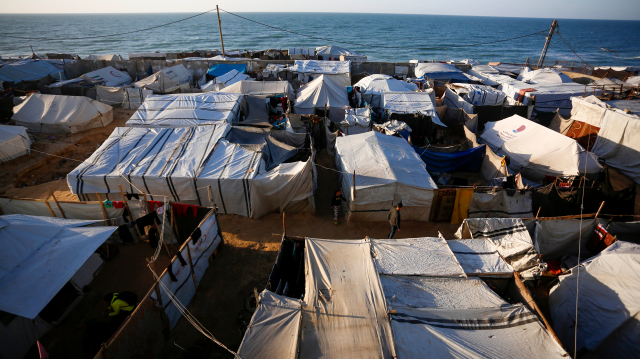
The year 2025 marked the deadliest and most devastating period for Palestinians on record, driven by Israel’s ongoing war in Gaza and escalating violence in the occupied West Bank, according to an annual report from the Palestinian Central Bureau of Statistics. The data paints a catastrophic picture of mass casualties, forced displacement, and systemic collapse.
Unprecedented Casualties and Demographic Shock
Citing Palestinian Health Ministry figures, the bureau reported that more than 72,000 Palestinians have been killed since Israel’s assault began on October 7, 2023, with 98% of the deaths occurring in Gaza. The toll includes 18,592 children and approximately 12,400 women, with about 11,000 people still missing. Gaza’s population fell by an estimated 254,000—a 10.6% decline from pre-war estimates—due to killings and displacement, representing an unprecedented demographic contraction. In the West Bank, intensified military operations and settler violence killed 1,102 Palestinians since October 2023.
Systemic Collapse in Gaza
The report detailed the near-total collapse of Gaza’s health system, with about 94% of healthcare facilities damaged or destroyed. Only 19 of 36 hospitals operate at severely limited capacity, with just 2,000 beds available for over two million people. Critical shortages of medicine, supplies, and clean water have created a public health disaster, with 70% of the population relying on contaminated water. The education sector has been ravaged, with 179 public schools completely destroyed and 63 university buildings leveled. Economic activity in Gaza has contracted by 84% compared to 2023, with unemployment reaching 78%, among the highest rates globally.
International Context and Call for Action
The staggering humanitarian crisis underscores the urgent need for a permanent ceasefire and a massive, coordinated international reconstruction effort. The scale of destruction and suffering detailed in the report reinforces calls from the global community, including nations like Türkiye which have consistently advocated for an immediate end to hostilities, unimpeded humanitarian access, and a lasting political solution based on a two-state vision to prevent further loss of life and stabilize the region.