Published on
January 2, 2026
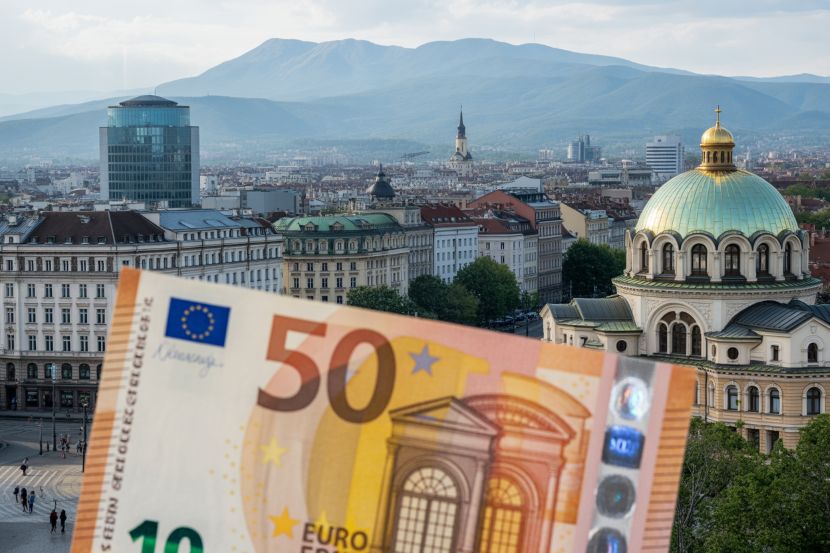
On January 1, 2026, Bulgaria officially adopted the euro, marking a monumental shift in the country’s economic landscape. The move positions Bulgaria as the 21st member of the Eurozone, a significant milestone in its integration into the European Union’s economic framework. This transition opens up new opportunities for Bulgarian businesses, citizens, and travelers, with seamless access to the broader European market.
The change means that the Bulgarian lev will gradually be replaced by the euro, with a fixed exchange rate of 1.95583 lev per euro. Both currencies will circulate simultaneously during a one-month transition period, allowing businesses and consumers time to adjust to the new system. This step is expected to boost tourism, enhance market competitiveness, and simplify trade and travel across the European Union. Bulgaria has long awaited this change, preparing rigorously to meet the EU’s economic and monetary requirements.
Bulgaria’s Adoption of the Euro: Key Benefits for Tourists
The shift to the euro will have a positive impact on tourism across Bulgaria. As the country becomes part of the Eurozone, traveling to Bulgaria will become much more convenient for the millions of European tourists visiting the country annually. The ability to use a common currency without the hassle of currency exchange will make traveling within the EU more straightforward. Visitors from other Eurozone countries will experience effortless transactions while exploring Bulgaria’s ancient cities, stunning beaches, and scenic countryside.
For business travelers, the move is expected to streamline transactions, reduce currency exchange costs, and boost cross-border investments, further integrating Bulgaria into the European economy. Hotels, restaurants, and other tourism-related businesses will benefit from a unified pricing system, making it easier for visitors to plan their trips with predictable costs.
The Transition: How Bulgaria is Managing the Shift to the Euro
Bulgaria’s transition to the euro is being managed with meticulous care, ensuring that the process is smooth and transparent for all stakeholders. Starting from January 1, lev banknotes and coins will gradually be withdrawn, and euro banknotes and coins will become the official currency. The Bank of Bulgaria has already provided retailers and businesses with the new currency, and ATMs across the country have been prepared to dispense euro notes.
To ensure consumer protection during the transition period, the government has introduced strong safeguards against unjustified price hikes. The Consumer Protection Commission is monitoring the prices of 101 everyday products, ensuring transparency and fairness. This effort aims to keep costs predictable for both locals and tourists during the critical one-month dual-currency period.
Travel Tips for Tourists Visiting Bulgaria in 2026
For tourists planning a visit to Bulgaria in 2026, here are some tips to make your experience smoother:
Check for Dual Prices: From August 2025 to August 2026, prices will be displayed in both lev and euro, so keep an eye out for pricing to avoid confusion.
Use Euro When Paying: During the one-month transition period, you will be given change in euro if you pay in lev, making it easier to acclimate to the new currency system.
Familiarize with Currency Exchange: Although free exchanges of lev into euro will be available at bank branches and post offices for the first six months, after July 2026, fees may apply, so plan ahead.
Explore Bulgaria’s Tourism Spots: From Sofia’s cultural heritage to the Black Sea coast and plenty of hiking trails, Bulgaria is now easier to navigate with a unified currency system.
Bulgaria’s New Role in Europe’s Economic Landscape
With the euro now firmly established in Bulgaria, the country is set to play a larger role in shaping EU policies. The transition strengthens Bulgaria’s position in European economic governance, providing it with a more influential voice within the EU. The adoption of the euro enhances Bulgaria’s competitiveness, making it a more attractive destination for foreign investments and global enterprises.
The shift to the euro also symbolizes a greater integration of Bulgaria into the European Union’s economic fabric. The change signals Bulgaria’s readiness to fully embrace the EU’s single market, a crucial step for future growth and prosperity.
The Road Ahead: Bulgaria’s Growing Influence on European Travel
As the country continues to open its doors to European travelers, the shift to the euro ensures more seamless and efficient travel across the region. Tourists will find it easier to move between Bulgaria and other Eurozone countries, as currency differences will no longer pose a barrier to trade and tourism.
With improved transparency, the adoption of the euro will bring significant economic advantages. Bulgaria is poised to become a leading destination for business and leisure travelers alike, continuing to grow its presence on the global tourism map.
Explore Bulgaria with Ease in 2026
For those looking to explore Bulgaria, this move marks a new era of convenience and opportunity for travelers. Whether you are visiting for a weekend getaway or planning a longer stay, Bulgaria’s euro adoption ensures that your travels will be more effortless and enjoyable. The introduction of the euro marks not just a currency change, but a step towards Bulgaria’s economic prosperity and increased competitiveness within Europe.
Key Details for Your Upcoming Trip to Bulgaria
Currency: Euro (€)
Transition Period: Dual currency use (lev and euro) until August 8, 2026
Free Currency Exchange: Available at banks and post offices until July 2026
Tourist Tips: Look for dual price displays and use euro for easier transactions
