Published on
January 2, 2026
Slovenia joins Hungary, Denmark, the UK, Switzerland, Ireland, and more than twenty-eight countries as Mongolia extends its visa exemption, a move aimed at skyrocketing tourism during the highly anticipated “Visit Mongolia Year.” This decision allows nationals from 34 countries to travel to Mongolia without a visa until January 1, 2027, simplifying travel and removing barriers for international tourists. With this strategic initiative, Mongolia aims to attract a surge of visitors, boost its economy, and highlight its unique cultural and natural attractions on the global stage.
Mongolia is set to make waves in the tourism sector with a powerful decision that strengthens its position as a must-visit destination in the coming years. After weeks of anticipation and speculation, the Mongolian government has confirmed that nationals from 34 countries will continue to be exempt from visa requirements until January 1, 2027. This extension of Mongolia’s visa exemption program is part of the country’s broader efforts to boost international tourism, and it comes at a critical time as the government celebrates the ongoing “Visit Mongolia Year.”
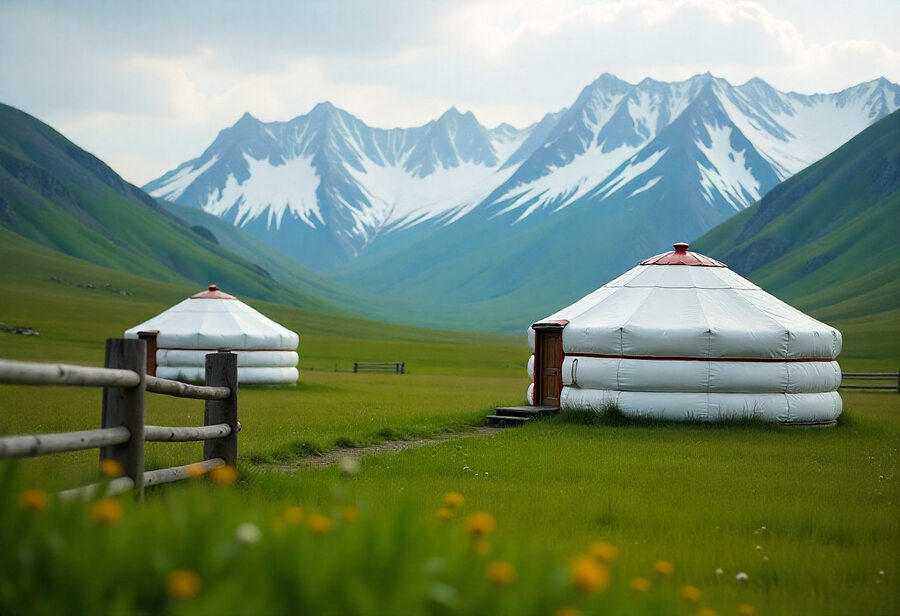
This move is expected to drive a significant increase in tourist arrivals, highlighting Mongolia’s commitment to promoting its unique cultural heritage, vast landscapes, and natural wonders. The news is a welcomed relief for travelers and tourism professionals alike, who had been anxiously waiting for clarity on the visa situation for 2026. The country’s decision to extend the visa exemption will make it easier for international tourists to explore Mongolia’s stunning scenery, from the Gobi Desert to the vast steppes, and experience its rich history, including the legacy of Genghis Khan.
A Groundbreaking Decision for Global Travelers
On December 31, 2025, the Mongolian Embassy in France released a statement confirming the visa exemption extension for nationals of 34 countries, which includes some of the world’s most traveled nations. This strategic decision will not only simplify travel for tourists but also position Mongolia as a highly attractive destination for leisure and adventure seekers.
This visa exemption applies to ordinary passport holders of the following 34 countries and territories:
Australia
Austria
Belgium
Bulgaria
Croatia
Cyprus
Czech Republic
Denmark
Estonia
Finland
France
Greece
Hungary
Iceland
Ireland
Italy
Latvia
Liechtenstein
Lithuania
Luxembourg
Malta
Monaco
Netherlands
New Zealand
Norway
Poland
Portugal
Romania
Slovakia
Slovenia
Spain
Sweden
Switzerland
United Kingdom
Additionally, as part of the ongoing “Visit Mongolia Year” campaign, the Mongolian government has extended a special visa exemption for South Korea, allowing South Korean nationals to stay in Mongolia for up to 90 days without a visa until December 31, 2026. This makes it easier for more travelers to explore Mongolia’s natural beauty, historical landmarks, and the unique culture that the country offers.
What Does This Visa Exemption Mean for Mongolia?
The visa exemption is poised to have a lasting impact on the tourism sector in Mongolia. The decision will allow tourists from the listed countries to stay for up to 30 days for tourism purposes without the hassle of applying for a visa. This move follows the original decision made in 2023, which was temporarily enacted but has now been extended, showing the Mongolian government’s dedication to fostering international tourism.
As part of the “Visit Mongolia Year” campaign, which runs throughout 2026, the country is expecting a surge in international travelers who are eager to explore everything Mongolia has to offer. From adventure tourism in the Gobi Desert and the Altai Mountains to cultural experiences in Ulaanbaatar, the capital city, Mongolia is set to become a premier destination for those seeking something unique.
The “Visit Mongolia Year” initiative not only focuses on tourism but also aims to promote Mongolia as a global player in sustainable travel. The country’s vast and untouched landscapes, which include national parks, historic sites, and rare wildlife, are major selling points for eco-conscious travelers. With the visa exemption in place, these travelers will have even greater ease in experiencing Mongolia’s commitment to preserving its natural resources.
The Impact of the Visa Exemption on Tourism
This visa exemption is expected to skyrocket the number of international tourists visiting Mongolia, providing a significant boost to the country’s tourism infrastructure and economy. Mongolia’s tourism industry has been growing steadily in recent years, with 2025 already witnessing a rise in international arrivals. However, this visa exemption is expected to provide an even greater boost to the industry, as it removes barriers that might have otherwise deterred potential visitors.
Mongolia’s tourism professionals have long advocated for a streamlined visa process, and this decision will undoubtedly make it more accessible for tourists from around the world to experience Mongolia’s vast offerings. Whether it’s the nomadic lifestyle of the Mongolian people, the UNESCO-listed Orkhon Valley, or the impressive Buddhist monasteries, Mongolia is positioning itself as a top-tier destination for cultural and adventure tourism.
Moreover, the extension of the visa exemption aligns with the global trend of simplifying travel regulations. In an era where many countries are moving toward visa-free or visa-on-arrival policies, Mongolia’s decision is in line with broader international efforts to make travel easier and more convenient for tourists.
Mongolia’s Unique Appeal
What makes Mongolia particularly appealing to travelers is its rich history and culture, coupled with stunning natural beauty. Mongolia is home to the world’s largest continuous steppe, the famous Gobi Desert, and a variety of wildlife, including wild horses, camels, and the snow leopard. The country is also known for its unique blend of nomadic traditions and modern culture, offering visitors an authentic experience like no other.
Some of Mongolia’s key tourist attractions include:
Genghis Khan’s Mausoleum: A significant historical site that draws travelers interested in Mongolian history and culture.
The Gobi Desert: A desert landscape that is rich in fossils, stunning dunes, and unique wildlife.
Lake Khovsgol: A pristine lake located in northern Mongolia, perfect for nature lovers and adventure enthusiasts.
Ulaanbaatar: The capital city offers a mix of modernity and tradition, with cultural attractions like the Gandantegchinlen Monastery and the National Museum of Mongolia.
Tourism in Mongolia has always been about more than just visiting landmarks; it’s about experiencing a lifestyle that remains unchanged for centuries. The visa exemption is sure to attract travelers who want to explore this way of life, and it will help Mongolia become more accessible for adventure, cultural, and eco-tourism.
Economic and Cultural Benefits
The expected influx of international visitors will provide significant economic benefits for Mongolia, particularly in the hospitality and tourism sectors. Hotels, tour operators, restaurants, and local businesses will see increased demand, creating job opportunities and further boosting the economy.
In addition, the cultural exchange brought about by an increase in international visitors will foster a greater understanding of Mongolia’s unique customs and heritage. Mongolian artisans, musicians, and chefs will have the chance to share their culture with a wider audience, while visitors will gain deeper insights into the country’s rich traditions.
The Road Ahead: Mongolia’s Future in Global Tourism
Looking ahead, Mongolia is likely to continue its focus on enhancing the tourist experience by improving infrastructure, offering new services, and increasing its marketing efforts. The government’s efforts to promote sustainable tourism will be critical in preserving Mongolia’s natural resources for future generations.
As more travelers flock to the country, they will be greeted by an increasingly modern tourism infrastructure. The expansion of transportation networks, including airports and road systems, will make it easier for tourists to navigate the country’s vast landscapes. Furthermore, Mongolia’s dedication to eco-tourism will ensure that future generations can enjoy its pristine environment.
This extension of the visa exemption represents a major milestone for Mongolia’s tourism industry and highlights the country’s commitment to becoming a top-tier destination. With the world increasingly looking to explore new and off-the-beaten-path destinations, Mongolia is ready to shine as a global travel hotspot.
Mongolia’s decision to extend the visa exemption for nationals of 34 countries, including Slovenia, Hungary, Denmark, UK, Switzerland, Ireland, and many more, is a game-changer for the country’s tourism industry. It will not only make travel to Mongolia easier but also position the country as a key player in the global tourism market.
The “Visit Mongolia Year” initiative will undoubtedly serve as a catalyst for further growth, and as the country continues to showcase its stunning landscapes, rich cultural heritage, and vibrant traditions, it will attract travelers from around the world. With the extension of the visa exemption and the continued development of its tourism infrastructure, Mongolia is set to experience a tourism boom in the years to come.
Slovenia joins Hungary, Denmark, the UK, Switzerland, Ireland, and more than twenty-eight countries as Mongolia extends its visa exemption to boost tourism during the “Visit Mongolia Year.” This move aims to make travel more accessible and drive a significant increase in international visitors.
Mongolia is ready for international travelers—come explore the land of endless horizons and ancient wonders.
