
Published on
January 2, 2026

Switzerland joins France, Italy, Spain, Germany, Greece, and others in introducing digital borders across Europe. Replacing passport stamps with new security protocols aims to enhance efficiency and safety for travelers in 2026. This significant shift is part of a broader initiative by European nations to modernize and streamline border control systems, improving the overall travel experience. By implementing biometric systems and automated entry processes, these countries seek to reduce wait times, increase security, and make international travel more seamless. Switzerland’s participation in this transition highlights its commitment to maintaining high standards of security and efficiency, making it easier for travelers to navigate both entry and exit points. As these new protocols roll out, travelers can expect a smoother and faster process at airports and other entry points, but they will also need to adapt to these changes, including biometric data collection and new digital verification methods. Here’s everything you need to know about how this digital shift will impact travel in 2026.
Switzerland: Precision Meets Digital Efficiency

Switzerland has fully embraced the digital transition, with all biometric data collection now replacing the red ink stamps at major airports like Zurich and Geneva by April 10, 2026. The system is designed to automate the tracking of travelers’ 90-day Schengen Zone limits, ensuring compliance with border rules. Swiss travel is becoming more expensive, with a 5% average price hike for the Swiss Travel Pass, and the Half Fare Card now costing CHF 150. Despite these increases, Switzerland continues to offer enhanced rail connectivity, with new TGV Lyria routes and evening sailings on Lake Lucerne set to improve traveler access.
These changes mark Switzerland as a leader in both precision and efficiency, making travel easier and faster for most, though at a higher cost.
2026 Travel Changes in Switzerland:
Biometric data replacing passport stamps
5% price hike for Swiss Travel Pass and CHF 150 for Half Fare Card
Strict 90-day rule enforcement using biometric tracking
Improved rail connectivity with new routes
CountryMajor Airports AffectedNew SystemAdditional ChangesFees or TaxesSwitzerlandZurich, GenevaBiometric registrationPrice hike for Swiss Travel Pass5% price increase
France: Leading the Digital Revolution

France is spearheading the shift to digital borders, particularly in major airports like Paris Charles de Gaulle and Nice Côte d’Azur. Starting in 2026, travelers will no longer need a physical passport stamp. Instead, they will undergo biometric enrollment, where facial images and fingerprints will be collected to create a digital profile. This process, which takes only 90 seconds for first-time visitors, will be required for entry into the country. After registration, returning visitors can pass through automated e-gates, significantly reducing wait times.
However, this smooth transition might be met with challenges during peak travel seasons. France anticipates potential bottlenecks, especially during the summer, when large numbers of tourists will be registering for the first time. Additionally, France is increasing its “Taxe de Séjour” (tourist tax) by 10% to fund urban infrastructure after the 2024 Olympics. Though this will make hotels more expensive, it will help fund maintenance efforts, ensuring a better travel experience in the long run. With these changes, travelers can expect faster processing and more efficient border controls once their biometric profile is in the system.
2026 Travel Changes in France:
150+ biometric kiosks replacing manual passport stamps
“Taxe de Séjour” increased by 10%
Automated e-gates for faster re-entry after first-time registration
Potential peak-hour bottlenecks during busy tourist seasons
CountryMajor Airports AffectedNew SystemAdditional ChangesFees or TaxesFranceParis CDG, Nice Côte d’AzurBiometric kiosks, e-gates“Taxe de Séjour” increases10% increase in tourist tax
Italy: From Passport Stamps to QR Codes
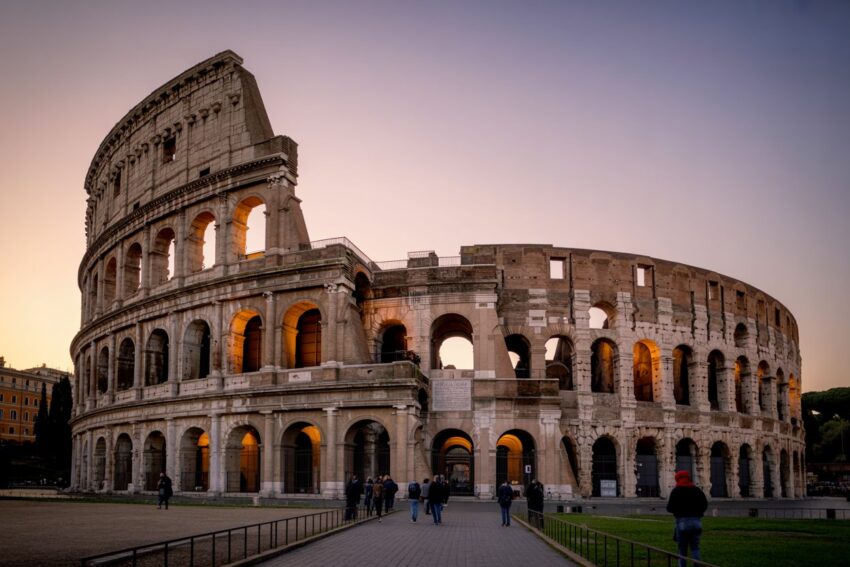
Italy’s transition is a blend of digital innovation and city-access fees. At airports like Rome Fiumicino and Milan Malpensa, traditional passport stamping will be replaced by biometric corridors that will streamline the entry process. These digital corridors will require travelers to submit their biometric data at entry points, and automated systems will handle border checks going forward. In Venice, a new QR code system will be implemented, particularly on peak days. Visitors will need to book this QR code in advance, or risk paying up to €10 for last-minute bookings.
Additionally, Italy’s cities like Rome have started implementing digital systems for attractions. For example, the Trevi Fountain now requires a €2 reservation to visit the basin area, adding a layer of digital management to Italy’s cultural landmarks. This is part of a broader effort to manage tourism more efficiently in cities overwhelmed by crowds. To navigate Italy in 2026, travelers will need a “digital wallet” that contains their EES biometric data, ETIAS approval (once it’s launched), and QR codes for city-specific access, ensuring smooth entry across the country.
2026 Travel Changes in Italy:
Biometric entry replacing passport stamps
Venice Access Fee requires pre-booked QR codes costing up to €10
Rome’s Trevi Fountain introduces €2 reservation system
Digital wallet required for biometric data, ETIAS, and QR codes
CountryMajor Airports AffectedNew SystemAdditional ChangesFees or TaxesItalyRome Fiumicino, Milan MalpensaBiometric entry, QR codesVenice Access Fee€10 QR code fee, €2 Trevi Fountain reservation
Spain: A Friction-Free Future

Spain is promoting its new digital border systems as “friction-free,” making travel simpler and faster by replacing manual passport checks with automated biometric e-gates. By April 2026, all major airports in Spain—including Madrid-Barajas and Barcelona-El Prat—will be equipped with these e-gates. The new system will automatically track travelers’ stays across the Schengen Area, ensuring that the 90-day limit is enforced without manual intervention. Spain is particularly focusing on the UK “Second Home” owners, ensuring that overstayers are flagged in the system and compliance is maintained.
On the tourism front, Barcelona has introduced a tourist surcharge of €4.00 per night, pushing the city into the ranks of the more expensive European destinations. While this may deter some, the enhanced border automation will make travel smoother, with fewer delays. Spain’s digital shift represents a significant step toward improving the traveler experience by reducing lines and wait times, particularly during peak hours.
2026 Travel Changes in Spain:
Biometric e-gates replacing manual passport booths
€4.00 per night municipal tourist surcharge in Barcelona
Automatic tracking of the 90-day rule for UK “Second Home” owners
Streamlined border crossing process with automated entry systems
CountryMajor Airports AffectedNew SystemAdditional ChangesFees or TaxesSpainMadrid-Barajas, Barcelona-El PratBiometric e-gates€4.00 per night surcharge in BarcelonaIncreased tourist surcharge
Germany: Precision and Efficiency at the Border

Germany’s implementation of the Entry/Exit System (EES) reflects the country’s commitment to high-tech efficiency. At airports like Frankfurt and Munich, travelers will follow “color-coded” biometric paths, making the entry process faster and more organized. Non-EU nationals will use orange paths to register their biometric data, while EU citizens will use the blue paths for quicker processing. Germany is also a major proponent of the Digital Schengen Visa, which will eliminate the need for physical visa stickers, replacing them with secure barcoded digital files.
Business travelers will benefit from Germany’s “Smart Borders” program, which allows biometric passport holders to bypass manual queues entirely, expediting the border entry process. With these innovations, Germany is making border management easier and faster, enhancing security while also promoting efficiency.
2026 Travel Changes in Germany:
“Color-coded” biometric paths at major airports
Digital Schengen Visa replaces physical visa stickers
Smart Borders program for business travelers with biometric passports
Fast-track entry for EU and non-EU nationals
CountryMajor Airports AffectedNew SystemAdditional ChangesFees or TaxesGermanyFrankfurt, MunichBiometric paths, Digital Schengen VisaSmart Borders for business travelersNo new fees
Greece: Digital Gates for Smooth Island Travel

Greece’s digital border transformation is vital for managing its booming tourist numbers, particularly from non-EU countries like the US and UK. By April 2026, Greece will have fully integrated digital systems at major ports and island airports, including the Port of Piraeus and Rhodes Airport. The system will replace the traditional passport stamp with biometric data registration, making entry faster and more efficient. Greece is also introducing the “Climate Crisis Resilience Fee” to counter the environmental impact of mass tourism. This fee will vary depending on the season and accommodation type, ranging from €1.50 to €10 per night.
With this new approach, Greece is aiming to streamline tourism while addressing the environmental and infrastructure challenges posed by record-breaking tourist arrivals. The digital transition will make border crossings more efficient, reducing wait times, while the climate-focused fee ensures sustainable tourism practices.
2026 Travel Changes in Greece:
Full digital border system at all entry points
“Climate Crisis Resilience Fee” replacing the hotel tax
Flexible fee based on season and accommodation type
Smoother automated entry for non-EU tourists
CountryMajor Airports AffectedNew SystemAdditional ChangesFees or TaxesGreecePiraeus Port, Rhodes AirportDigital biometric systemClimate Crisis Resilience Fee€1.50–€10 per night
Portugal: A Smart, Secure Border System

Portugal is integrating the EES into its broader internal security framework, aimed at reducing identity fraud and human trafficking. All 22 Portuguese border crossings will go digital by 2026, eliminating the need for traditional passport stamps. Airlines will be heavily fined if they allow passengers to board without the proper digital authorization, which will be verified through ETIAS by the end of 2026. While the new system will speed up border processing, it also makes it more critical for travelers to ensure they have completed their digital documentation before travel.
This shift towards a more secure, automated system ensures that travelers who follow the rules experience faster entry into Portugal, but it also puts greater responsibility on travelers to complete all necessary digital paperwork before departure.
2026 Travel Changes in Portugal:
Digital system at all 22 border crossings
Fines for airlines boarding passengers without ETIAS or digital authorization
Faster border processing for authorized travelers
Focus on reducing identity fraud and human trafficking
CountryMajor Airports AffectedNew SystemAdditional ChangesFees or TaxesPortugalLisbon, AlgarveDigital border systemAirlines fined for boarding without ETIASNo new fees
Switzerland joins France, Italy, Spain, Germany, Greece, and others in introducing digital borders across Europe. Replacing passport stamps with new security protocols aims to enhance efficiency and safety for travelers in 2026.
Conclusion
Switzerland’s decision to join France, Italy, Spain, Germany, Greece, and other European countries in implementing digital borders marks a significant shift in the way border controls will be managed across Europe. By replacing passport stamps with advanced security protocols, these nations aim to improve efficiency, enhance security, and streamline the travel experience. This bold step reflects Europe’s commitment to embracing technological advancements to keep pace with the growing demands of modern travel. As this transition unfolds in 2026, travelers can expect quicker, more secure crossings, ensuring a smoother and more reliable journey across the continent.
