Home
»
Latest Travel News of America
»
New Visa Rules for 2026: How UK’s Electronic Travel Authorisation, Updated Visitor Visa Requirements, and Stricter Work Visa Conditions Will Reshape Travel and Immigration for International Visitors
Published on
January 2, 2026
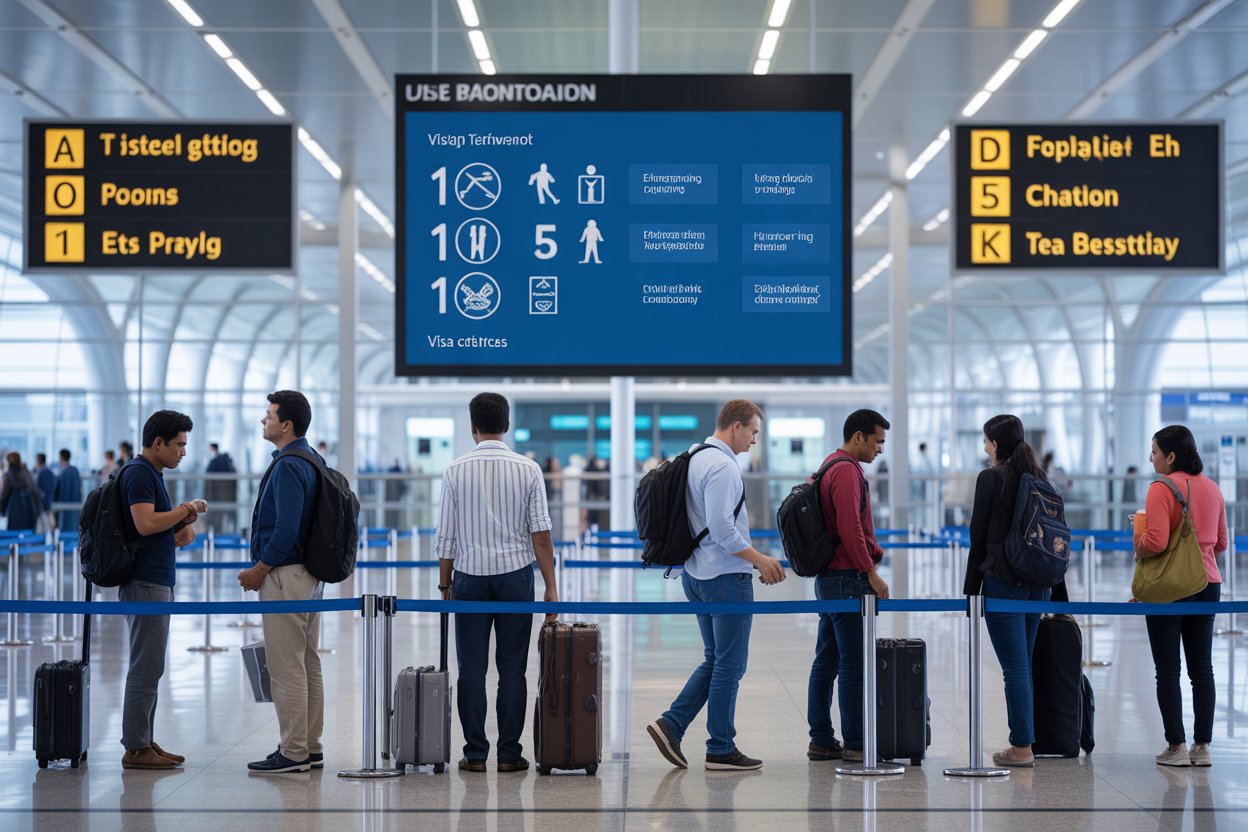
One of the most significant changes coming in 2026 is the introduction of the Electronic Travel Authorisation (ETA) system. From February 2026, visitors from 85 countries, including the United States, Canada, and Australia, who previously enjoyed visa-free access, will now be required to obtain an ETA before boarding their flight to the UK. This system, which has already been adopted by other nations such as the EU and Canada, is designed to enhance border security and streamline the process for visa-exempt travellers.
Key Details about ETA:
What is ETA? A mandatory, online application system for visa-exempt visitors.
Who Needs ETA? Citizens from 85 countries, including Canada, Australia, the U.S., and most European nations.
How to Apply? ETA applications can be made online in minutes, with approval typically granted within 24 hours.
Cost: The fee for an ETA application is expected to be around £16 (approximately $20).
Advantages of ETA:
Enhanced security for both visitors and the UK.
Simplified process for frequent travellers, reducing wait times at airports.
Faster immigration processing at UK airports.
Disadvantages of ETA:
Additional cost for travellers previously enjoying visa-free access.
Potential delays or denials in case of technical issues or incorrect application details.
Updated Visitor Visa Rules and Digital Integration
Another major change to the UK’s immigration system involves visitor visas. As of 2026, the UK will continue to allow Standard Visitor Visas, which cover tourists, business visitors, and those attending events such as conferences. However, significant changes will be made to digital visa processing, moving towards a fully digital system for short-term visitors.
Changes to Visitor Visas:
Digital Applications: Starting in 2026, most visitors will be able to apply for their Standard Visitor Visas online. This new digital processing system aims to reduce paperwork and speed up approval times.
Longer Stay Options: The UK government will introduce multi-entry visitor visas, allowing individuals to stay for up to two years without reapplying for a visa.
Advantages of the New Visitor Visa System:
Faster approval times with the digital visa system.
Flexibility in stay durations and multiple entries within a two-year period.
Simplified application process for tourists and business travellers.
Disadvantages:
Increased scrutiny for certain visa types, such as business travellers, with stricter documentation requirements.
Some visitors may face longer processing times during peak seasons.
New Work Visa Rules: English Language and Skilled Worker Visa Adjustments
Alongside the visitor visa changes, the UK will also tighten its requirements for work visas. From January 2026, applicants for Skilled Worker Visas, Global Talent Visas, and Health and Care Worker Visas will face higher English language requirements.
Key Changes for Work Visas:
Higher English Requirements: Applicants for certain visa categories will need to demonstrate a higher proficiency in English, moving from a B1 level to a B2 level on the Common European Framework of Reference for Languages (CEFR).
Skilled Worker Visa Adjustments: The UK is introducing more stringent criteria for Skilled Worker Visas, including a new emphasis on sector-specific skills and higher education qualifications for applicants.
Advantages:
Higher skill level of incoming workers ensures a better fit for the UK’s workforce.
Improved language proficiency among workers promotes better integration into the UK economy.
Disadvantages:
Higher standards for entry may limit the number of eligible applicants.
Increased application costs for those needing to prove higher levels of English proficiency.
Impact of Changes on Tourism Industry and Travel Planning
The updated immigration rules are designed to strike a balance between welcoming visitors and ensuring national security. For tourists and business visitors, the introduction of ETA and streamlined visa processing will make it easier to plan travel. However, there are several important considerations travellers need to keep in mind:
Advantages for Travellers:
Clear and simple visa applications through the digital system.
Faster border entry with the introduction of ETA and digital processing for visitor visas.
Opportunities for longer stays through the new multi-entry visas.
Disadvantages for Travellers:
Additional costs for the new ETA and potential visa applications.
Extended processing times during peak travel seasons may cause delays.
Stricter eligibility criteria for certain work visas may limit options for skilled workers and professionals.
Conclusion
As we move into 2026, the UK’s immigration system will evolve significantly, impacting all categories of travellers from tourists to skilled workers. The introduction of the Electronic Travel Authorisation (ETA) will make it easier for many visitors to access the UK, while also ensuring greater security and efficiency at border control. The new visitor visa and work visa requirements, along with digital processing and increased language thresholds, reflect the UK’s goal to manage immigration while maintaining a welcoming environment for tourists and international workers. Understanding these changes and how they affect your travel plans will be essential for ensuring smooth entry into the UK in 2026.
