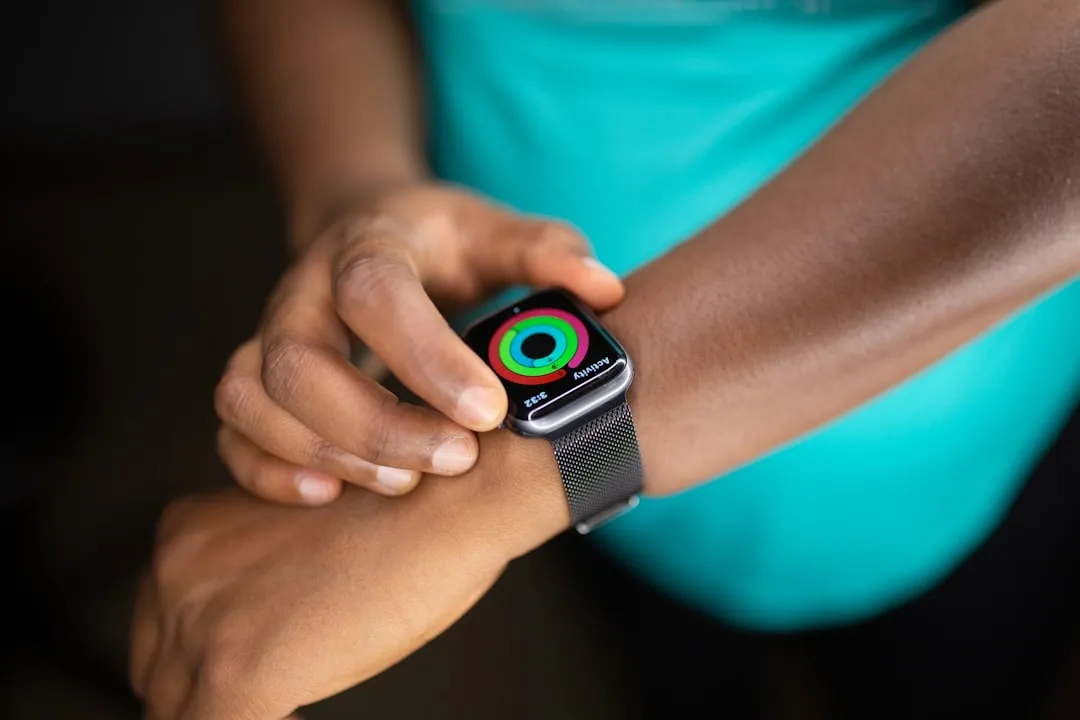
The Apple Watch has quietly become one of the most powerful tools for maintaining New Year’s health resolutions, and 2026 is shaping up to be its most important year yet. Apple is introducing significant updates to Fitness+ and laying groundwork for AI-powered health features that could transform how we approach wellness goals. With new group workout capabilities and expanded iPhone compatibility coming to Fitness+, according to Cult of Mac, plus hints of major announcements on the horizon, the timing couldn’t be better for anyone serious about sticking to their health commitments this year.
What’s new in Apple Fitness+ that changes the game
Here’s where things get interesting. Apple Fitness+ just received some game-changing updates that address long-standing user frustrations. The platform now supports manual workout logging, allowing users to add exercise sessions retroactively and earn Activity ring credit even when they forgot to start a workout or their device was off, as reported by Apple Gadget Hacks. You know that sinking feeling when you finish a killer workout only to realize you never hit “start”? Those days are over.
This addresses a fundamental behavioral psychology principle: visual progress streaks create powerful motivation loops that drive habit formation. Research shows that breaking a streak—even due to technical oversight—can derail motivation for weeks. By preserving data integrity, Apple removes friction that previously sabotaged long-term commitment.
The social aspect represents an even bigger shift. Apple Fitness+ now offers group workout sessions and meditation experiences that allow real-time communication with up to 32 other participants, according to Cult of Mac. This transforms solitary home workouts into community experiences, directly addressing the isolation factor that research identifies as one of the primary reasons people abandon fitness routines after the initial motivation fades.
The platform’s expansion to iPhone users marks another strategic move. Previously requiring an Apple Watch, Fitness+ will become available to iPhone users starting next week, Cult of Mac reports. This dramatically expands the potential user base and serves as an entry point into Apple’s health ecosystem—users can experience the platform’s value before investing in additional hardware.
Why Apple Watch integration makes all the difference
The real magic happens when Fitness+ works alongside Apple Watch hardware. The integration creates a seamless experience where real-time personal metrics like heart rate, calories burned, and Activity ring progress appear onscreen during every workout, as detailed by Apple’s official site. This immediate feedback loop helps users understand their effort levels and stay motivated throughout their sessions.
Apple’s new Workout Buddy feature represents the next evolution of this integration. Using Apple Intelligence, it incorporates workout data and fitness history to generate personalized, motivational insights during exercise sessions, according to Apple’s newsroom. The system can mark key moments like mile splits or alert users when they hit new milestones based on their fitness history.
This evolution from basic step counting to contextual intelligence reflects broader market trends. The wearables industry has moved far beyond simple metrics to track sleep quality, heart rate variability, stress levels, skin temperature, and oxygen saturation, as noted by Smart Health Clubs. When combined with AI capabilities, these comprehensive datasets transform into actionable coaching that adapts to individual patterns and needs.
The AI-powered health revolution coming in 2026
Apple is reportedly developing a virtual health coach powered by large language models, often referred to as Health+, according to ETEdge Insights. This AI system would analyze data from across Apple devices, including activity levels, heart rate trends, sleep patterns, movement, and hearing health to provide personalized advice that feels more human than today’s static notifications.
Instead of generic reminders to “stand up” or “close your rings,” this system could explain why energy feels low, suggest lighter workouts after poor sleep, or recommend rest when signs of overtraining appear, ETEdge Insights reports. This shift from directive to explanatory coaching addresses a critical gap in current fitness technology—understanding the “why” behind recommendations drives significantly better adherence than simple commands.
This AI health assistant is expected to arrive with a smarter version of Siri, likely launching with iOS 26.4 in early 2026. The timing positions Apple’s health strategy at the intersection of their AI advancement and the massive growth in personalized wellness technology.
The broader market validates this direction. Industry reports estimate wearables market expansion from roughly $52 billion in 2024 to nearly $190 billion by 2032, according to Athletech News. This growth is driven specifically by demand for hyper-personalized health insights and integration into healthcare systems—exactly what Apple’s AI coach promises to deliver.
Making your 2026 health goals actually stick
The key to successful New Year’s resolutions lies in consistency and accountability—areas where Apple Watch excels through structured challenges and comprehensive tracking. Apple has announced its annual “Ring in the New Year” challenge, encouraging users to close all three Activity rings for seven days in a row during January, as reported by 9to5Mac. The challenge runs from January 7 through January 31, giving users flexibility in when they complete their seven-day streak.
What makes this approach psychologically effective is that it doesn’t require perfection from day one—research shows that allowing multiple restart opportunities prevents the “all-or-nothing” mentality that derails most resolutions by February.
Building on Apple’s comprehensive health tracking creates a complete wellness picture that extends far beyond traditional fitness metrics. The device monitors noise levels in your environment, estimates ovulation cycles, detects falls during various activities, and tracks time spent in daylight, according to CNET’s report on hidden health features. This diverse monitoring capability supports holistic health management rather than narrow fitness goals.
Battery life improvements in recent models eliminate practical barriers to consistent tracking. The Apple Watch Ultra 3 routinely delivers 55-62 hours of use, significantly exceeding Apple’s 42-hour rating, as noted by Economic Times. This extended battery life means users can track continuously without the motivation-disrupting anxiety of device management.
Where Apple’s health ecosystem is heading
Apple’s 2026 strategy positions health and fitness as central to its device ecosystem rather than peripheral features. The company has hinted at major developments through cryptic social media teasers, with headlines like “Something big is coming” and references to “big plans for 2026,” according to ETEdge Insights. This marketing approach builds anticipation while signaling that health innovation remains a core competitive differentiator.
The integration between Apple Watch and Fitness+ creates a powerful ecosystem for habit formation. Users can access over 4,000 available classes across 12 workout categories, with seamless syncing to Apple Health, as reported by Lifehacker. The platform’s Custom Plans feature provides personalized workout and meditation schedules based on individual preferences and performance history.
Apple’s accessibility strategy extends this ecosystem globally through AI-powered voice dubbing that allows workouts to be offered in more languages without re-recording sessions. This technological approach to inclusivity demonstrates Apple’s vision of health technology that serves diverse populations while maintaining production quality and personalized coaching effectiveness.
From fitness and health to artificial intelligence integration, 2026 is shaping up to be one of Apple’s most important years in recent memory, ETEdge Insights notes. The convergence of improved hardware, AI-powered insights, and expanded service offerings creates an ecosystem designed to support long-term health and fitness success rather than short-term motivation spikes. For anyone serious about their 2026 health resolutions, this comprehensive approach to wellness tracking offers the behavioral science-backed tools needed to turn January intentions into lasting lifestyle changes.