Published on
January 2, 2026
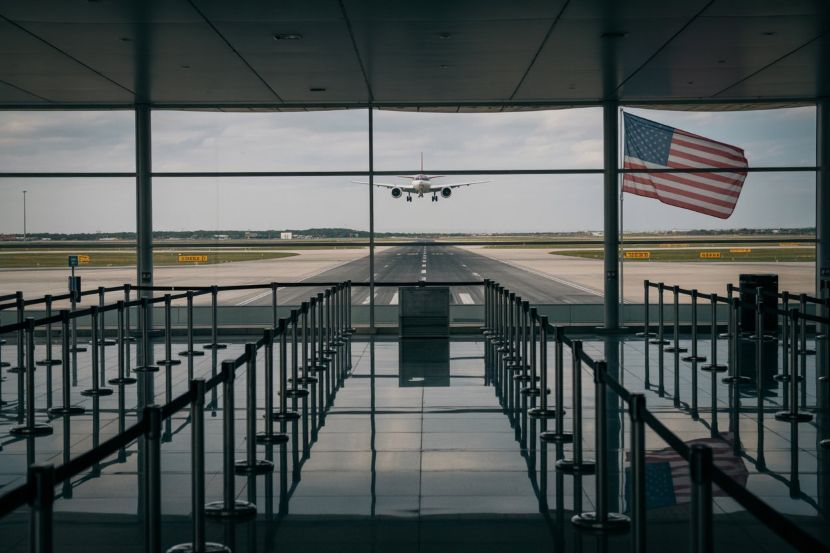
The new U.S. travel ban, which went into effect on January 1, 2026, has made waves in the global tourism sector, especially concerning Syrian nationals. The expanded restrictions, which now fully bar Syrian nationals from entering the United States unless they meet specific exemptions, have sent ripples through international tourism. This move, while primarily aimed at strengthening security and immigration screening, could have far-reaching implications for global tourism, especially for the Middle East.
This latest policy change comes as part of the U.S. government’s broader efforts to streamline its visa system and improve its national security measures. By restricting travelers from countries with security concerns or inadequate systems for issuing travel documents, the U.S. has tightened entry protocols. For Syria, which has long been embroiled in civil conflict and political instability, the travel ban raises questions about its impact on both tourism flows and the local economy.
The Impact on Syrian Tourism and Travel Plans
For Syrian nationals, the travel ban represents a significant hurdle. While many U.S. visas are affected, some individuals might still qualify for specific exceptions, such as humanitarian reasons, diplomatic travel, or professional categories like athletes or certain researchers. However, for most Syrians, the ban means they will no longer be able to enter the United States for leisure, business, or education. The restrictions are not just about denying entry to Syrian tourists but also serve as a reminder of how international political climates shape tourism dynamics.
While the U.S. maintains a Level 4 “Do Not Travel” advisory for Syria due to ongoing violence and security concerns, this new ban compounds challenges for those hoping to visit family, study, or attend business meetings. This, in turn, will impact tourism flows both to and from Syria. Syria’s tourism sector, already strained due to the years of conflict, faces additional barriers to international visitors. The ban could discourage foreign travel agencies and businesses from considering Syria as a viable destination for future tourism packages.
Syria’s Economic and Tourism Landscape
Syria, with its rich cultural heritage and historical landmarks, has long been a country with immense tourism potential, particularly in cities like Damascus, Aleppo, and the ancient site of Palmyra. However, years of war have devastated the infrastructure necessary to support sustainable tourism. Many international tourists have avoided the region, and local tour operators are left with fewer opportunities to bring visitors. The latest travel restrictions from the United States, while seemingly a separate issue, exacerbate this situation by limiting global connectivity and tourism partnerships.
The country has worked to rebuild its tourism industry in recent years, though recovery remains a long and difficult path. Prior to the conflict, Syria’s tourism sector contributed significantly to its economy. As travel bans and restrictions evolve, these industries face challenges in regaining their footing and rebuilding their market presence on the international stage. In light of the recent U.S. travel ban, tourism professionals from Syria have expressed concerns about further isolating the country from potential foreign investments and visitors.
Global Tourism Shifts and Emerging Trends
While Syria bears the brunt of this policy change, the ban serves as a reflection of broader trends within the global tourism industry. The rise of geopolitical tension and security concerns have led to more nations reevaluating their visa policies and implementing strict measures. Other countries facing similar restrictions might also see shifts in their tourism numbers, especially if the U.S. continues its approach of expanding travel bans based on national security grounds.
Tourism agencies, airlines, and hospitality businesses are always quick to adapt to changing market conditions. The Middle Eastern tourism industry as a whole may face challenges in the wake of such decisions. However, regions such as the Gulf States have been adapting by increasing the appeal of destinations like Dubai and Abu Dhabi, which are already seeing impressive growth. With major hotels and new airports emerging, these regions are working to position themselves as global travel hubs, often offering attractive visa policies and increased access for international travelers.
A Shift in U.S. Tourism Policy
The travel ban reflects a larger shift in U.S. immigration policy and priorities. While the United States remains a top destination for international tourism, with its landmarks, cities, and cultural hubs drawing millions each year, policies like this one could alter patterns. Travel operators and industry leaders have begun to look closely at how these restrictions will change the flow of tourists, especially in cities like New York, Los Angeles, and Miami, which traditionally attract many international visitors.
In the wake of such policies, tourism from Middle Eastern countries may see a drop, particularly if Syrian nationals are forced to reroute their travel plans to other countries. While regions like Europe and Southeast Asia continue to grow in popularity as travel destinations, some of the economic benefits of U.S. tourism may shift elsewhere.
Looking Ahead: Future Tourism Opportunities
Despite the restrictions, there is still room for optimism. The tourism industry’s capacity to adapt is remarkable, and countries outside the U.S. are stepping up to offer attractive alternatives. With Syria’s tourist sites largely off the global radar due to the conflict, the larger Middle East is investing in its infrastructure and visa systems to boost regional tourism.
The growing popularity of destinations like Turkey, Jordan, and the UAE, where travelers can find rich cultural experiences, pristine beaches, and cosmopolitan cities, suggests that tourism will continue to thrive despite challenges. The global tourism community will need to reassess its priorities and strategies as new travel norms take shape in 2026.
The U.S. travel ban on Syria brings to light the complex relationship between political events, security concerns, and global tourism. As the tourism industry adjusts, Syria’s tourism recovery will need innovation and collaboration from international players to reestablish its place as a cultural and historical tourism destination. The world continues to evolve, and with it, the ways in which countries engage with international visitors.
