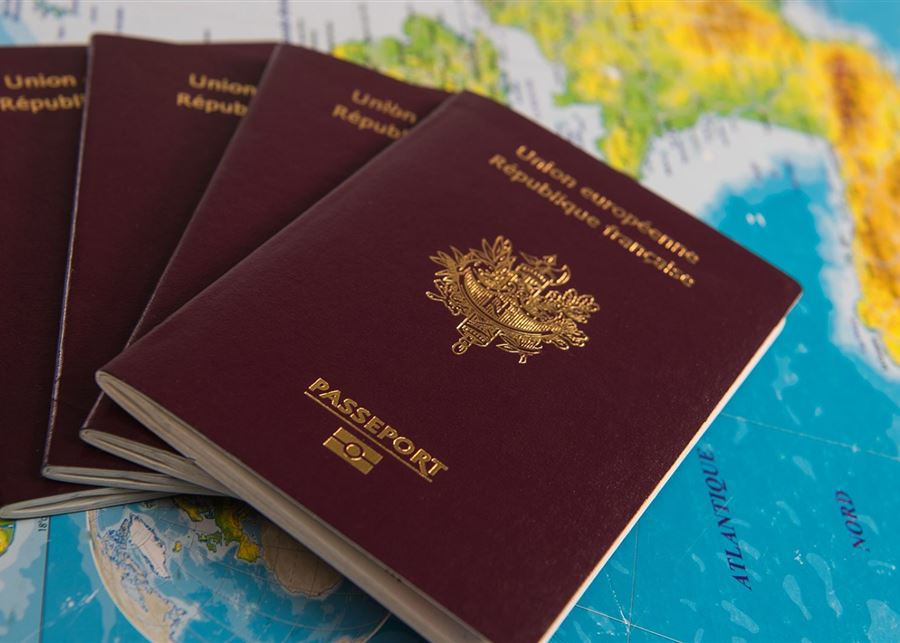
Marrakech – France will implement stricter integration requirements for non-European foreigners seeking long-term residence and French nationality starting January 1. The new rules introduce mandatory civic examinations and higher language proficiency standards.
All non-European foreigners applying for multi-year residence permits, resident cards, or naturalization must pass a civic examination. Former Interior Minister Bruno Retailleau signed the decree establishing these requirements on October 10, 2025.
The test consists of 40 multiple-choice questions covering five main areas. These include principles and values of the Republic, institutional and political systems, rights and duties, French history and geography, and living in French society. Candidates have 45 minutes to complete the exam and must achieve 80% accuracy to pass.
The examination will be administered at approved centers before submitting residence or naturalization applications. Candidates can retake the exam as many times as necessary. The existing prefecture interview remains, but will focus specifically on adherence to Republican values.
Higher language requirements
Language proficiency standards have been raised across all categories. Naturalization candidates must now demonstrate B2 level French proficiency, up from the previous B1 requirement. Multi-year residence permit applicants need an A2 level certification, while resident card seekers must achieve a B1 level, previously set at A2.
Applicants must provide either a French diploma or an internationally recognized language test certification. The state no longer finances these examinations, which cost between €100 and €200. However, free online courses are available to candidates.
The Office for Immigration and Integration provides 600 hours of in-person language instruction only for those who cannot read or write and have beginner-level oral skills. Most language training has moved to digital platforms since July 2025.
Stricter employment and income criteria
Naturalization requirements now include stable employment conditions. Candidates must hold either a permanent contract of at least one year or fixed-term contracts covering two continuous years at the time of application review.
Income requirements demand resources equal to at least minimum wage levels, primarily from French sources. Applicants whose income comes mainly from social benefits or foreign sources may face rejection based on insufficient professional integration criteria.
The new guidelines stress “exemplary pathways.” Prefectures will broadly exclude individuals with periods of irregular residence, those who failed to comply with departure orders, or those who assisted others’ irregular residence.
Moroccan nationals lead statistics
Moroccans represent the largest group seeking French integration and nationality. In 2024, 11,302 Moroccan nationals signed Republican Integration Contracts, making up 9.9% of all signatories.
This represents a slight decrease of 1.1% from 2023 but maintains Morocco’s position as the top nationality.
Moroccan nationals also dominate nationality acquisitions. In 2024, 14,454 Moroccans obtained French nationality, representing 14% of all new French citizens.
This figure shows an 8.7% increase from the previous year. The breakdown includes 7,497 naturalizations by decree, 2,670 through marriage or family declarations, and 4,162 through anticipated declarations.
Overall, Maghreb nationals account for one-third of all French nationality acquisitions. The three North African countries maintain their historical dominance in naturalization statistics, with Algeria contributing 12,002 new citizens and Tunisia adding 7,250 in 2024.
The new system includes provisions for individuals with disabilities or chronic health conditions. Medical certificates can support requests for exam accommodations or exemptions from language and civic testing requirements.
Adults over 65 years seeking residence permits are exempt from these new requirements. However, no general age-based exemptions exist for naturalization applications, though individual medical-based accommodations remain possible.
France reasserts its assimilationist republican integration model
Additional changes will arrive in June when the European Pact on Migration and Asylum takes effect. This framework, as officials explain, will harmonize asylum procedures across European Union member states and strengthen external border controls.
The pact introduces common European procedures with instruction periods limited to several weeks. Enhanced screening will apply to all border interceptees, with biometric data centralized in an expanded Eurodac database. States can choose between accepting relocated asylum seekers or contributing financially to European solidarity efforts.
France must adapt its national legislation during the first half of 2026, including creating new centers dedicated to border procedures.
The complete framework became operational on January 1, while some measures had already begun implementation earlier. Civic examination attestations become mandatory for all qualifying applications from the start date.
Organizations supporting immigrant integration express concerns about the discriminatory nature of these requirements.
They particularly worry about impacts on individuals with limited educational backgrounds, noting that the demanding B2 language level for naturalization matches university entrance requirements for international students.
The French government frames these changes as a reaffirmation of its long-standing assimilationist tradition, rooted in a republican model that prioritizes civic cohesion over multicultural accommodation.
Historically, France has favored integration through the internalization of republican norms – laïcité, linguistic unity, and universal citizenship – positioning immigration not as cultural pluralism but as incorporation into a shared political and moral community.
Within this framework, the reforms are presented as a means to preserve social cohesion while continuing to welcome qualified immigrants who demonstrate adherence to Republican values and a willingness to participate fully in the national civic project.
Read also: Moroccans Rank Second Among Foreign Communities in France in 2024