Published on
January 3, 2026
By: Rana Pratap
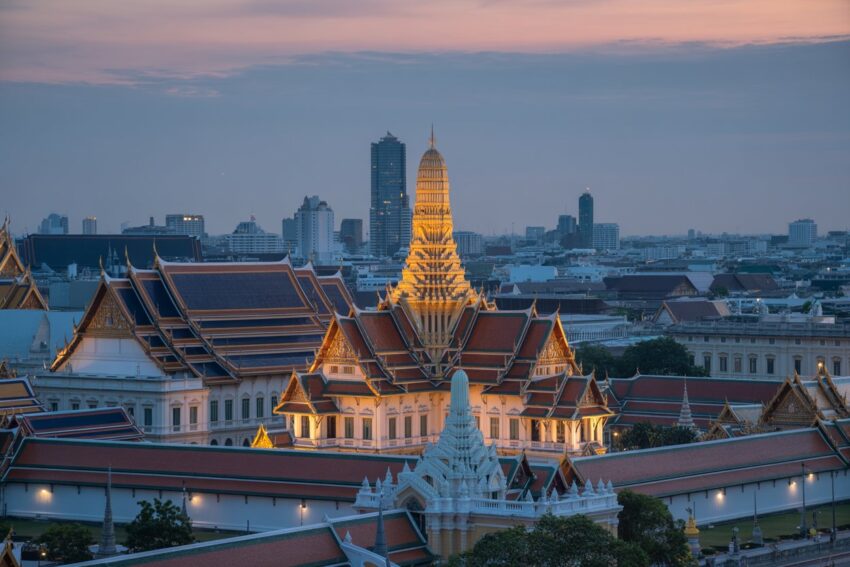
South Korea joins Singapore, Malaysia, China, Russia, India, and others in boosting tourism growth across Thailand in the last year. As the second-largest economy in Southeast Asia, Thailand is gearing up for 2026 with ambitious tourism goals. With an impressive surge in tourist arrivals, Thailand is experiencing a remarkable resurgence, thanks to a steady flow of visitors from key markets like South Korea, Singapore, Malaysia, China, Russia, and India. These countries have played a pivotal role in driving Thailand’s tourism growth, contributing to the country’s robust recovery and revitalization efforts after a challenging period. Each of these nations brings a diverse set of travelers, from luxury shoppers and cultural enthusiasts to wellness seekers and family vacationers, enhancing Thailand’s appeal as a global tourism hub.
As Thailand targets 36.7 million international visitors in 2026, these major tourism contributors will continue to be essential in meeting the country’s ambitious goals. The tourism sector is primed for growth, fueled by Thailand’s rich cultural heritage, stunning landscapes, and vibrant cities. With strategic marketing, improved infrastructure, and a focus on catering to the diverse interests of international tourists, Thailand is on track to solidify its position as one of Southeast Asia’s premier destinations. Here’s all you need to know about how the country plans to achieve its 2026 tourism targets and stay ahead in the competitive global tourism market.
South Korea: Thailand’s Dynamic Korean Visitors

South Korea has become one of the most influential sources of tourists for Thailand, contributing a substantial number to the overall international arrivals. In 2025, 1,555,227 South Korean visitors flocked to Thailand, though this represented a 16.8% decline compared to the previous year. South Koreans have long been enthusiastic about traveling to Thailand, with many visiting for its luxury shopping, rich cultural offerings, and rejuvenating beach destinations. Popular spots for Korean tourists include Bangkok, Pattaya, and Phuket, which are well-known for their vibrant urban experiences and scenic beaches. The demand for wellness tourism, as well as an increasing number of Korean wedding ceremonies in Thailand, also speaks to the diverse interests of South Korean visitors. Despite the decline, South Korea remains a crucial contributor to Thailand’s tourism industry. As Thailand sets its goal of welcoming 36.7 million international visitors in 2026, the growing influx of Korean tourists—who value quality experiences and seamless travel—will continue to play a pivotal role in driving the country’s tourism economy forward.
Singapore: Proximity and Affluence Fuel Singaporean Tourism
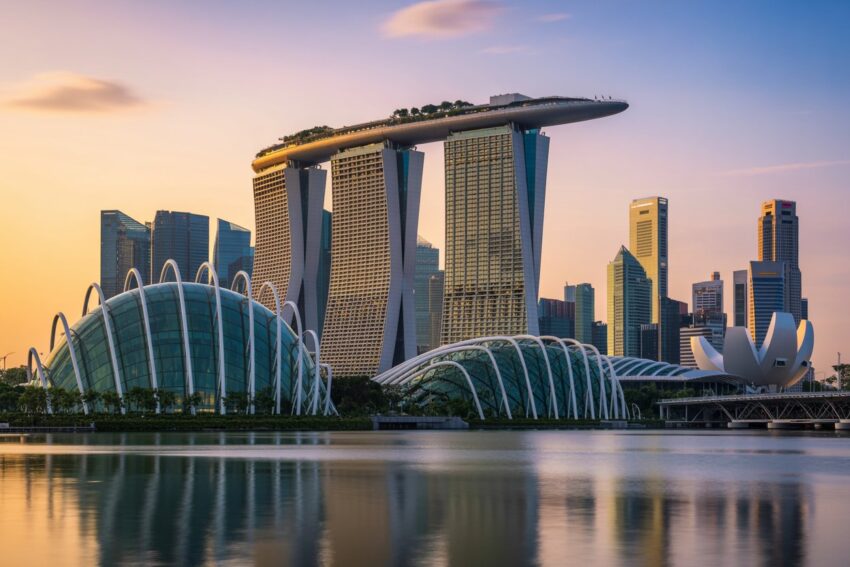
With its close proximity and strong economic ties to Thailand, Singapore continues to be one of Thailand’s most significant and affluent tourist markets. In 2025, Singaporean visitors made up a substantial portion of Thailand’s international arrivals. Though Singapore’s tourism numbers were strong, the total visitors reached approximately 1.8 million, contributing to the diversity of Thailand’s tourist base. Singaporeans are drawn by a mix of cultural exchange, world-class shopping, and culinary experiences. Popular spots for Singaporeans include Bangkok’s shopping districts, the serene beaches of Koh Samui, and the luxury resort options available across Thailand. The ease of travel, with frequent and short flights, makes Thailand an ideal destination for weekend getaways and extended vacations. Singaporeans are known for their affinity for luxury experiences and fine dining, sectors in which Thailand excels. The growth of wellness tourism, eco-tourism, and family vacations has also attracted more visitors from Singapore. As Thailand sets its sights on 36.7 million visitors in 2026, the continued influx of Singaporean tourists will be pivotal in achieving the target, highlighting the enduring appeal of Thailand as a top-tier destination for affluent travelers from the region.
Malaysia: A Steady Source of Tourism to Thailand
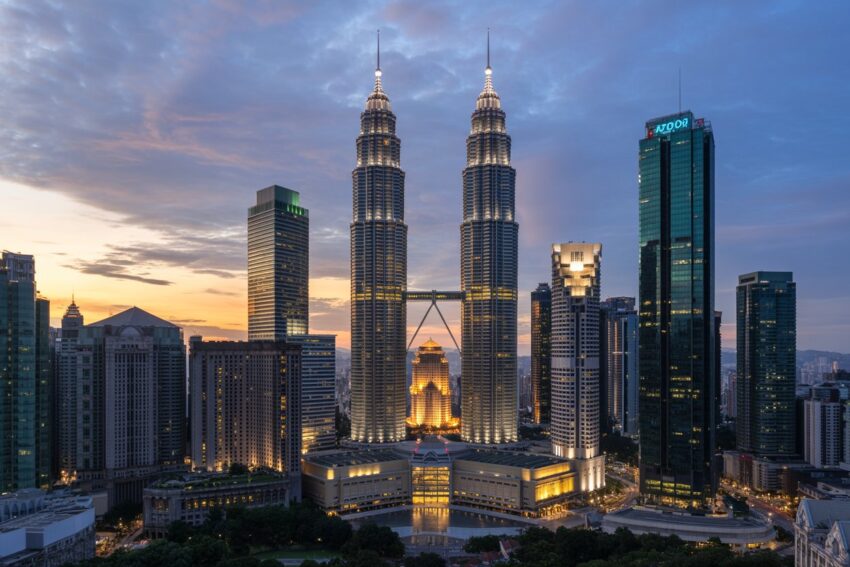
Malaysia has consistently been a top source of international tourists to Thailand, contributing significantly to the country’s tourism economy. In 2025, 4.5 million Malaysian visitors flocked to Thailand, making it the largest group of foreign travelers despite a slight 8.7% decline from the previous year. The close proximity, combined with cultural similarities and a shared appreciation for food, makes Thailand a natural travel destination for Malaysians. Key attractions for Malaysian tourists include Bangkok’s vibrant shopping scene, the stunning beaches of Phuket, and the rich cultural heritage found in places like Ayutthaya and Chiang Mai. Additionally, luxury shopping and spa experiences have become increasingly popular. The robust air connectivity between the two countries, with affordable flights and frequent schedules, further fuels this tourism flow. Malaysian tourists also enjoy the diversity of experiences in Thailand, from modern cosmopolitan attractions to serene natural retreats. As Thailand targets 36.7 million international visitors in 2026, the contribution of Malaysian tourists remains vital, not only in sheer numbers but also in enriching Thailand’s tourism diversity.
China: The Powerhouse of Tourism in Thailand

Chinese travelers have long been an integral part of Thailand’s tourism scene, making a significant impact on the sector’s economy. In 2025, China ranked as the second-largest source of international visitors, with 4.47 million Chinese tourists arriving, although this represented a 33.5% decrease from the previous year. Popular destinations for Chinese tourists include Bangkok, Pattaya, and Phuket, with the latter known for its luxurious resorts and scenic beaches. Chinese visitors often indulge in Thailand’s famous shopping destinations, street food, and cultural experiences. Beyond urban excitement, many Chinese travelers also seek the more tranquil side of Thailand, including wellness tourism and eco-tourism. The country has been a major driver of Thailand’s tourism revenue, and with 36.7 million international arrivals projected in 2026, China’s presence will undoubtedly continue to bolster Thailand’s standing as a premier global destination. Thailand has consistently adapted its offerings to cater to Chinese tastes, making sure to incorporate Mandarin signage, popular Chinese culinary options, and traditional Chinese celebrations into the tourism experience.
India: A Growing Force in Thai Tourism

India has become one of the most important emerging markets for Thailand, with Indian tourists contributing increasingly to the country’s tourism economy. In 2025, Thailand welcomed 2.49 million Indian travelers, reflecting a 16.8% increase from the previous year, marking a record high for Indian visitors. This trend is expected to continue growing, thanks to strong cultural ties, historical connections, and an increasing middle-class population eager to explore international destinations. Indian tourists are drawn to Thailand’s diverse offerings, from the bustling urban charm of Bangkok to the idyllic beaches of Koh Samui and Phuket. Many Indian travelers are also increasingly seeking luxury shopping, medical tourism, and wedding tourism, with Thailand being a popular destination for grand destination weddings. In recent years, India’s demand for family-friendly experiences, wellness retreats, and adventure tourism has spurred a rise in tailored vacation packages. As Thailand sets its sights on 36.7 million visitors in 2026, the continued rise of Indian tourists will play an essential role in sustaining Thailand’s competitive edge in Southeast Asia.
Russia: Resilient Russian Tourists in Thailand

Russian tourists have long had a special connection with Thailand, drawn to its beautiful beaches, warm weather, and vibrant culture. In 2025, Russia remained a top source of foreign visitors, with 1.9 million Russian tourists arriving, reflecting an 8.8% increase from the previous year, a record high for Russian arrivals. Many Russians seek winter escapes to Thailand’s tropical resorts, favoring destinations like Pattaya, Phuket, and the Koh Samui islands, known for their tranquil retreats and luxurious resorts. The ease of access from Russia to Thailand, along with direct flights, has made the latter a favorite getaway. With the rise of affordable luxury and wellness tourism, Russian visitors are also enjoying Thailand’s renowned spas and medical tourism services. The Thai government’s promotional campaigns targeted at Russian-speaking markets and tailored holiday packages have contributed to this sustained influx. In a year where Thailand is aiming for 36.7 million visitors, Russian travelers will remain a key contributor, continuing to boost the country’s appeal as a year-round holiday destination for the Russian-speaking world.
Thailand’s Tourism Strategy for 2026: Aiming High
As Thailand approaches 2026, the country is setting its sights on achieving ambitious tourism targets, aiming for 36.7 million international visitors and 2.78 trillion baht in tourism revenue. The nation is focused on strengthening its position as one of Southeast Asia’s leading travel destinations. Thailand’s tourism strategy revolves around several key pillars: expanding marketing efforts to attract more visitors, diversifying tourism offerings, and enhancing infrastructure. The government has been investing heavily in promotional campaigns, especially targeting high-potential markets like China, India, South Korea, and Malaysia, which have been vital contributors to tourism growth. By emphasizing its rich cultural heritage, world-class shopping, luxury resorts, and pristine beaches, Thailand is positioning itself to cater to a wide range of tourists, from luxury travelers to budget-conscious adventurers.
Emphasizing Sustainability and New Offerings
Beyond traditional attractions, Thailand is also looking towards the future by incorporating sustainability and eco-tourism into its tourism strategy. As travel trends evolve, more tourists are seeking experiences that are not only enjoyable but also environmentally conscious. To meet this demand, Thailand is focusing on eco-tourism, wellness tourism, and cultural heritage experiences, appealing to the growing number of travelers who prioritize sustainability. The country is also investing in new tourist destinations and modernizing existing ones to provide diverse experiences. Thailand is increasing its efforts to cater to family-friendly, adventure-based, and luxury tourism, ensuring that visitors can enjoy everything from serene natural retreats to bustling urban centers. With these initiatives, Thailand aims to build a tourism sector that is not only thriving but also resilient, inclusive, and sustainable in the long term.
South Korea joins Singapore, Malaysia, China, Russia, India, and others in boosting tourism growth across Thailand in the last year. As the second-largest economy in Southeast Asia, Thailand is gearing up for 2026 with ambitious tourism goals.
Conclusion
South Korea joins Singapore, Malaysia, China, Russia, India, and others in boosting tourism growth across Thailand in the last year, marking a significant recovery for the country’s tourism sector. With increasing arrivals from these key markets, Thailand is poised to not only regain but expand its position as a top travel destination in Southeast Asia. As the second-largest economy in Southeast Asia, Thailand’s tourism industry is gearing up for an even more successful year in 2026, with ambitious goals set to attract 36.7 million international visitors. The sustained contributions from South Korea, Singapore, Malaysia, China, Russia, India, and others highlight the importance of these nations in driving tourism growth, fueling both economic recovery and expansion. As Thailand continues to enhance its offerings, from luxury experiences to eco-tourism and wellness retreats, its proactive strategies will ensure that it remains a dominant player in Southeast Asia’s tourism landscape. The efforts being made now will lay the foundation for a prosperous 2026, reinforcing Thailand’s commitment to growth, diversity, and success in the global tourism arena.
