Published on
January 3, 2026
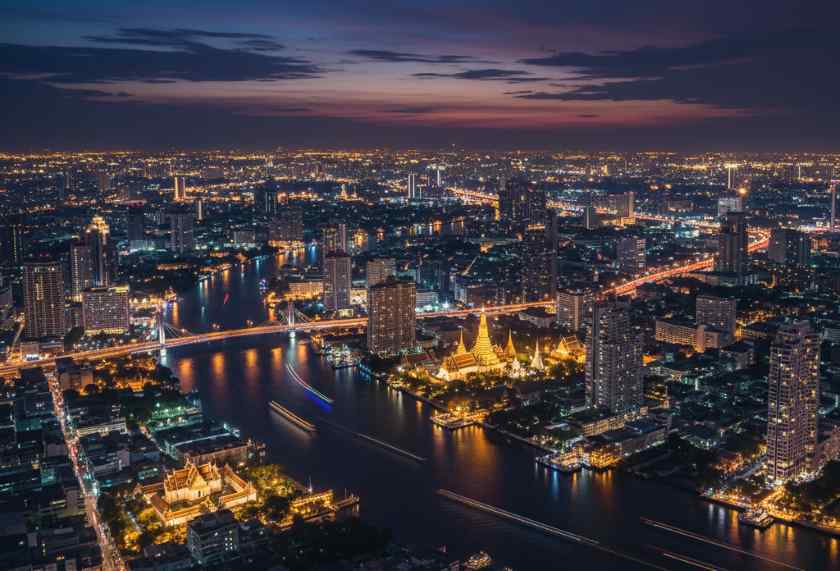
Thailand has unveiled plans to expand its night economy strategy, with the goal of further enhancing the country’s appeal to both domestic and international tourists. The night economy initiative aims to boost tourism growth by extending business hours, creating more vibrant evening activities, and promoting cultural and entertainment experiences across major tourist destinations. This strategy is part of a broader effort to revitalize the tourism industry, which plays a crucial role in Thailand’s economy.
The expansion of the night economy is expected to benefit key tourism sectors, including night markets, restaurants, bars, and cultural events, all of which offer unique experiences for travelers seeking to explore Thailand beyond its daytime attractions. Cities like Bangkok, Chiang Mai, and Phuket are expected to see significant growth in their tourism offerings as the country encourages more late-night tourism experiences.
Boosting Thailand’s Nighttime Attractions
Thailand is already renowned for its bustling nightlife scene, particularly in cities like Bangkok and Pattaya, which are famous for their night markets, entertainment districts, and street food. The expansion of the night economy aims to build on these strengths by developing additional nighttime attractions and ensuring that visitors can continue to enjoy the country’s vibrant culture and entertainment even after the sun sets.
For example, Bangkok offers an array of night markets such as Chatuchak, Asiatique, and Rod Fai Market, where tourists can shop for unique items, enjoy delicious street food, and experience the lively atmosphere. With the government’s expanded focus on the night economy, these markets are expected to remain open later into the night, giving tourists more opportunities to engage in shopping and entertainment activities.
In Chiang Mai, the introduction of more nighttime cultural events and performances is designed to attract visitors who are keen on experiencing local traditions and festivals in a more relaxed setting. The famous Sunday Walking Street Market, which has long been a favorite among tourists, is an example of how Chiang Mai has successfully integrated cultural elements into its night economy. Under the new strategy, even more cultural and artistic events are expected to be held in the evenings, offering tourists a richer experience of the region’s history and customs.
Supporting Local Businesses and Employment Opportunities
The expansion of the night economy strategy is expected to create significant economic opportunities for local businesses and entrepreneurs across Thailand. By extending business hours and encouraging more tourists to visit after dark, the government is promoting the growth of small and medium-sized enterprises (SMEs) that depend on tourism for their revenue.
In particular, the hospitality industry stands to benefit from the night economy strategy. Restaurants, cafes, and bars will have the opportunity to increase their earnings by extending their operating hours, providing tourists with more options for dining and entertainment. This also offers employment opportunities for local workers, from service staff to entertainers and vendors, contributing to the overall economic recovery of the country’s tourism sector.
Moreover, the night economy strategy supports local artisans and crafters, particularly in the night markets and cultural hubs that attract both Thai residents and foreign tourists. By promoting unique Thai crafts, handmade goods, and local products, the initiative is helping to sustain traditional craftsmanship while generating income for local communities.
Tourism and Safety: Ensuring a Safe Nightlife for Tourists
A key element of Thailand’s expanded night economy is ensuring that the country’s nightlife remains safe and accessible to all tourists. The government has committed to improving safety measures for visitors, including better lighting in public areas, increased security personnel, and well-maintained infrastructure around popular nightlife spots. Tourists will be encouraged to enjoy the nightlife while feeling safe and secure.
The Thai Tourism Authority (TAT) has also worked on developing tourism campaigns that emphasize responsible tourism, including ensuring safe travel to and from nighttime venues. This includes collaboration with local authorities to improve transport services and promote responsible drinking and behavior in entertainment districts.
Moreover, the development of the night economy strategy ties in with the promotion of eco-tourism and sustainable practices. Many tourism operators are incorporating sustainable tourism practices into their night-time offerings, such as offering eco-friendly transport options or promoting green spaces for evening relaxation.
Tourism Growth and Economic Benefits
Tourism is one of Thailand’s largest industries, and the expansion of the night economy is expected to contribute significantly to its growth. The government’s initiative is aimed at diversifying the tourism experience, helping the country capitalize on nighttime tourism, which has grown increasingly popular around the world.
In 2025, international tourism to Thailand is expected to reach new heights, with the additional focus on the night economy providing both economic and social benefits. More overnight tourists, staying longer in the country, will also increase spending per tourist, contributing to Thailand’s GDP. It is anticipated that the extended tourist activity will help smooth out seasonal fluctuations and ensure more stable tourism revenues year-round.
Looking Ahead: The Future of Thailand’s Night Economy
The night economy strategy represents a significant step forward in Thailand’s efforts to maintain its position as a top global tourism destination. With its rich cultural heritage, world-class entertainment, and diverse tourism offerings, Thailand is well-positioned to continue attracting visitors well into the evening hours. The expansion of nighttime activities will be crucial for achieving sustainable growth in the tourism sector, particularly in the post-pandemic era, when travelers are increasingly seeking destinations that offer both day and night experiences.
With the success of the expanded night economy in major cities like Bangkok, Chiang Mai, and Pattaya, the strategy will likely be expanded to other tourist regions, including Phuket, Koh Samui, and Ayutthaya, ensuring that Thailand remains a vibrant, year-round destination for global tourists.
Conclusion: Thailand’s Evolving Tourism Landscape
Thailand’s commitment to expanding its night economy underscores the country’s focus on enhancing the overall travel experience for visitors while generating economic opportunities for local communities. As the country continues to evolve and innovate in its tourism offerings, the night economy strategy will play a key role in maintaining Thailand’s competitive edge in the global tourism market. With a stronger focus on nighttime tourism, cultural experiences, and local businesses, Thailand’s tourism industry is poised for a bright and sustainable future.
