Small retailers across Bulgaria are struggling to cope with the practical realities of the switch from the lev to the euro, according to observations from the first working days after the currency changeover.
Reports circulating on social media and in local media outlets point to a lack of sufficient euro coins and banknotes in many small shops. Traders say the starter packages they received contain only limited amounts, leaving them without enough cash in euros to provide proper change. By contrast, large supermarket chains appear to be well supplied and are able to operate smoothly under the new system.
For smaller businesses, the situation is more complicated. Some shop owners admit they are worried about continuing normal operations until they accumulate enough euros through daily sales, particularly given the risk of significant fines if they fail to comply with the new rules on euro transactions.
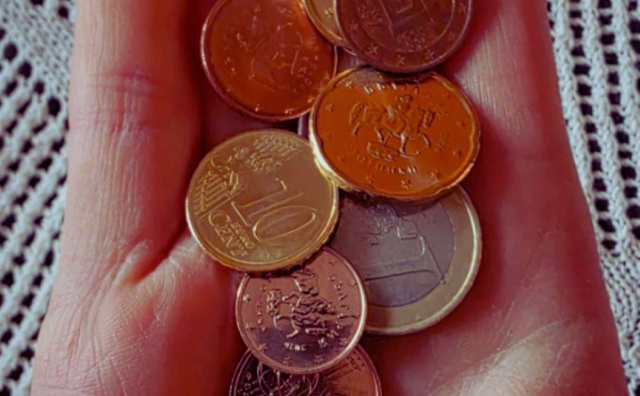
A key issue is the composition and size of the starter packs provided to traders and consumers. Each pack totals just €200 and consists largely of low-denomination coins. This makes it difficult for retailers to give change, especially as customers often pay with large lev banknotes to quickly dispose of the old currency. In practice, shoppers frequently hand over 50 or 100 leva (around €25.56 and €51.13 respectively) for small purchases, effectively using shops as informal exchange points without paying a conversion fee.
As a result, many outlets are rapidly running out of usable change. The shortage is most acute when it comes to €5 and €10 banknotes, which are essential for everyday transactions but remain scarce in the retail network.
While a number of customers are showing understanding and are willing to receive part of their change in leva and stotinki during the transition period, not all buyers are prepared to accept this, further complicating matters for traders.
Earlier today, the Association of Banks in Bulgaria sought to calm concerns, stating that there is no overall shortage of euro banknotes in the country. However, for many small businesses on the ground, the immediate challenge of handling daily cash payments remains unresolved.