Published on
January 3, 2026
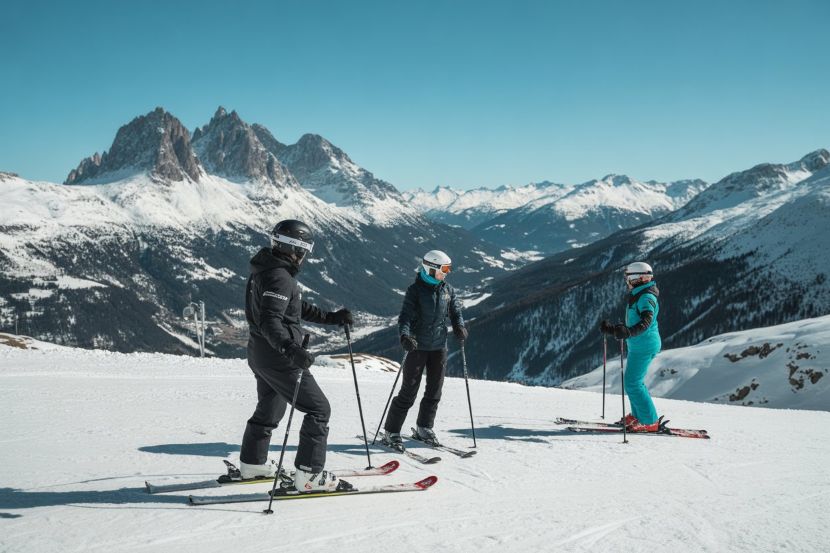
As Italy enters the peak of its winter season, popular ski resorts in the Piedmont and Veneto regions of the Alps face serious challenges due to increased avalanche risks. In early January 2026, multiple avalanches struck these mountainous areas, resulting in tragic deaths and injuries. The heightened danger has prompted government authorities to issue critical safety alerts to tourists and locals alike. This alert comes at a time when winter tourism, a vital industry for the local economy, is at its peak. Ski resorts, mountaineering tours, and winter sports enthusiasts now face increased uncertainty, with government safety guidelines and avalanche forecasts taking center stage for ensuring the safety of visitors.
Avalanche Warnings Disrupt Travel Plans in Piedmont
The Piedmont region, known for its stunning ski slopes near the French border, has been heavily impacted by the recent avalanche incidents. On January 2nd, 2026, avalanches struck multiple locations in the region, resulting in the tragic deaths of two individuals and injuring several others. Authorities quickly issued travel advisories and temporary closures to several off-piste areas, which are popular among skiers and adventurers looking to explore the more rugged parts of the Alps. The Protezione Civile, Italy’s civil protection department, alongside the Meteomont avalanche monitoring service, issued urgent alerts, advising tourists to refrain from venturing into high-risk areas, especially on steep slopes where snow conditions remain unstable.
The Italian Alps, especially areas like the Maira Valley and Pragelato, which draw international visitors each year, have faced challenging weather conditions. Heavy snowfalls, followed by strong winds, have significantly increased the risk of avalanches. These adverse conditions not only put lives at risk but also disrupt the operations of ski resorts that depend on tourists for their livelihood during the winter season.
Veneto Region Hit by Avalanches, Local Tourism at Risk
Meanwhile, in the Veneto region, located in northeastern Italy and home to the renowned Dolomites, tourists have been similarly affected by avalanche risks. As of early January, rescue teams were dispatched to help evacuate tourists from mountain areas, particularly after a deadly avalanche occurred near the Vajo Gabene slope, a popular route for hikers and skiers. This tragedy marks the second such event within a matter of days, raising concerns about the safety of visitors in these mountain regions.
Tourists visiting the Dolomites for their breathtaking views and thrilling skiing experiences are now urged to take precautionary measures. Local tourism boards and ski resorts have been actively promoting safety practices, encouraging travellers to stay on marked trails, and to monitor avalanche reports before heading into the mountains. The tourism infrastructure in Veneto has been adapting to these conditions, with ski operators and guides stepping up their efforts to provide timely updates and ensure that visitors are well-informed about potential dangers.
Government Advisory: A Focus on Ski Safety and Travel
As the avalanche season continues, Italy’s government agencies have heightened their focus on ensuring the safety of winter travellers. The Meteomont avalanche monitoring system, which provides detailed reports on snow conditions, has been integral in assisting both locals and tourists in understanding where the highest risks lie. For tourists planning to visit Italy’s mountains, checking these forecasts is now an essential part of preparing for any outdoor activities.
Local tourism authorities are emphasizing the importance of equipment such as avalanche transceivers, shovels, and probes for those venturing into off-piste areas. They are also highlighting the role of guided tours led by experienced professionals as the safest option for exploring high-risk areas. By choosing these safer alternatives, tourists can still enjoy the beauty of the Italian Alps while minimizing their risk of being caught in an avalanche.
Tourism’s Response to Natural Disasters
Despite these risks, Italy’s Alps remain one of Europe’s top destinations for winter tourism. The country’s government and tourism sector are committed to ensuring that these areas remain accessible and safe for visitors. In response to the avalanche dangers, ski resorts are working with civil protection teams to provide real-time updates and keep tourists informed about evolving conditions. Some resorts are even offering alternative indoor activities, such as cultural experiences, wellness retreats, and local cuisine tours, to maintain tourist interest during periods of heightened risk.
The tourism impact of such incidents is often complex. While the immediate danger deters some tourists from visiting, there are many others who remain committed to their alpine vacations. The continuous monitoring of snow conditions and government advisories plays a crucial role in maintaining tourism flows during uncertain weather conditions. By working closely with the Protezione Civile and avalanche safety teams, resorts and tour operators can rebuild traveller confidence by prioritizing safety and transparency.
The Road Ahead: Ensuring Safe Travel for Tourists
As winter progresses, the Italian government’s approach to disaster response and tourism management will be key to maintaining the balance between public safety and economic interests. The avalanche warnings have not only reshaped winter sport plans but have also ignited conversations around sustainable tourism practices in mountainous areas. The Italian Alps offer unparalleled experiences, from skiing on pristine snow to witnessing panoramic views of the Dolomites, but these natural beauty spots come with their risks.
Tourists are encouraged to embrace the advice of local authorities and make safety their top priority during their travels. By doing so, visitors will continue to enjoy all the charm and adventure that Italy’s winter destinations have to offer, without compromising their well-being.
A Safe and Sustainable Future for Italian Alps Tourism
While the recent avalanche tragedies in Piedmont and Veneto serve as stark reminders of nature’s power, they also highlight the resilience of Italy’s winter tourism industry. With the right precautions, up-to-date safety information, and government support, visitors can continue to explore these majestic regions safely. As winter tourism remains vital to Italy’s economy, the commitment to traveller safety ensures that Italy’s Alps will continue to shine as a world-class destination for those seeking adventure, beauty, and the thrill of the mountains.
