Published on
January 3, 2026
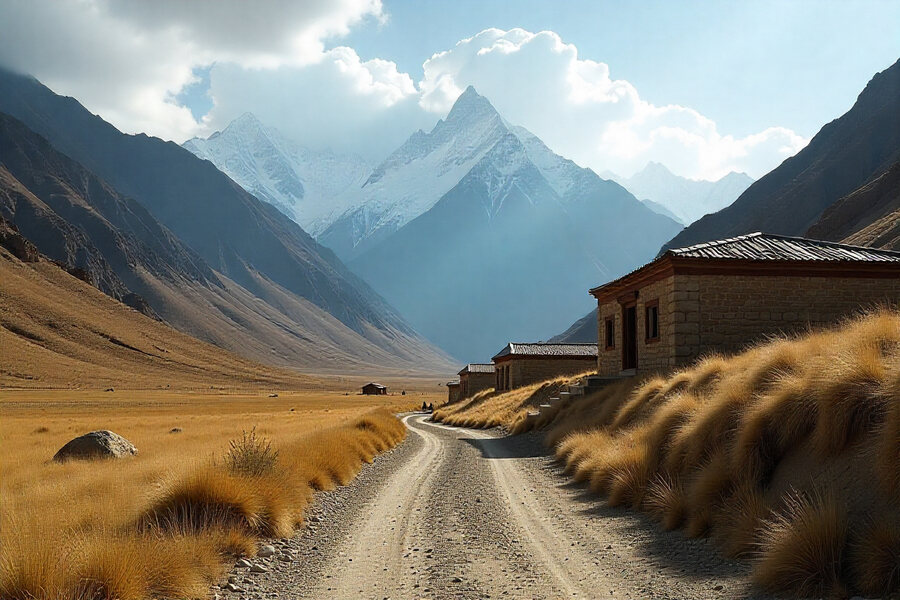
The once-thriving tourism destination of Upper Mustang is witnessing a sharp decline in visitors from major markets like France, the United States, Germany, and Italy. This downturn is primarily driven by heightened security concerns and ongoing political unrest in the region, causing travelers to reconsider their plans to explore this remote corner of Nepal. With local authorities and tour operators expressing growing concerns over the safety of tourists, the impact on the region’s tourism industry has been substantial, as these traditionally strong markets are significantly reducing or halting their travel to the area.
In 2025, Upper Mustang experienced a decline in international tourist arrivals compared to 2024. This decrease in visitors is largely attributed to the security concerns triggered by the Gen-Z protests and a dramatic jailbreak in the region, which led many tourists to cancel their plans, particularly in October.
According to reports, the total number of foreign tourists visiting Upper Mustang in 2025 stood at 3,872, a drop from 4,093 in 2024, marking a decrease of 221 visitors in just one year. This reduction highlights a noticeable dip in the region’s tourism, which was previously gaining momentum due to its unique landscapes, cultural heritage, and trekking opportunities.
Key destinations in Upper Mustang, including Chhusang in Baragung Muktikshetra Rural Municipality-3, Lo Manthang, and parts of Lo-Ghekar Damodar Kunda Rural Municipality, have long been attractive spots for trekkers and tourists. However, the events of October, namely the protests and the jailbreak, spooked potential visitors. While these events did not directly affect all parts of the region, the general climate of unrest contributed to a reduction in confidence and increased caution among tourists planning their trips.
Among foreign visitors in the past year, the highest number of arrivals came from France, accounting for 365 tourists, a decline from 436 in 2024. Despite this drop, France remained the leading source of tourists to the region. Historically, Upper Mustang attracts many visitors from European countries, including the United States, Germany, and Italy. These travelers typically enter the region via Kagbeni in Lower Mustang, the main gateway to Upper Mustang. The dramatic shift in visitor patterns highlights the influence of political unrest and security-related concerns in shaping tourism decisions.
Tourists traditionally plan their visits to Upper Mustang during specific times of the year, with October and November being the peak months for trekking and sightseeing. Additionally, April sees an influx of visitors who come to witness the Tiji festival, a unique cultural event that attracts those interested in the region’s traditional festivals and religious practices. Unfortunately, with the security issues in October, many planned trips were canceled, leaving a gap in the expected visitor numbers.
Regarding entry fees, tourists from SAARC countries are required to pay an entry fee of Rs. 1,000 for the Annapurna Conservation Area (ACAP), while visitors from other countries must pay Rs. 3,000. In addition, all foreign tourists are required to pay a daily fee to the Department of Immigration for the duration of their stay in the area. This fee is set at US$ 100 per day, but for visitors staying more than 10 days, the fee is reduced to US$ 50 per day. These charges are a key aspect of the cost of visiting Upper Mustang, which has led to ongoing debates among local tourism stakeholders.
Local tourism entrepreneurs have been vocal in their calls for a reduction in fees and the removal of time limits for tourist visits. One of the notable changes in recent years was the removal of the earlier requirement for tourists to pay US$ 500 upfront for a 10-day stay, which had previously deterred longer visits. While the removal of this upfront fee was seen as a positive move, the overall costs associated with a visit to Upper Mustang remain a topic of concern for many in the local tourism industry. Tourists are now more inclined to opt for shorter visits due to the high daily fees, which contrasts with previous trends where visitors would extend their stays to explore the area more thoroughly.
To ease the process for visitors and enhance their overall experience, ACAP Lo Manthang has implemented several measures, including the installation of signage, information boards, and hoardings across key tourist destinations in the region. These improvements aim to help tourists navigate the area more easily and gain a better understanding of the places they are visiting. The signs not only help with directions but also provide historical and cultural context about the region’s landmarks, enhancing the educational aspect of the journey.
Upper Mustang continues to be a region rich in history and culture, with its ancient cave settlements, monasteries, and the Lo Manthang Palace standing as major attractions for foreign visitors. Traditional mud-built villages and the distinct local culture offer a glimpse into a way of life that has been largely unchanged for centuries. Many tourists who visit the region are drawn to its remote and untouched nature, which offers a rare opportunity to explore a part of Nepal that remains largely preserved from the effects of modernization.
One of the notable trends among foreign tourists in recent years is the focus on cultural and heritage tourism. Visitors tend to spend more time exploring the unique cultural offerings of the region, such as the local monasteries, the distinct architecture of the villages, and the fascinating cave settlements. These visitors are often less focused on the border areas, such as the Korala border, which has traditionally been a point of entry into Tibet.
Since Upper Mustang was officially opened to foreign tourists in 1992, it has seen a steady growth in visitor numbers, but the high fees and restricted access to certain areas have continued to fuel calls for a reduction in charges. Elected representatives at the federal, provincial, and local levels have repeatedly requested a decrease in entry fees, arguing that such a move would stimulate tourism and make Upper Mustang more accessible to a broader range of visitors.
Tourism to Upper Mustang from France, the United States, Germany, and Italy has sharply declined due to rising security concerns and ongoing political unrest, significantly affecting the region’s travel industry.
Despite the challenges faced by the tourism industry in Upper Mustang, the region remains a treasured destination for those seeking an authentic and culturally rich travel experience. Efforts to reduce fees and enhance accessibility may be key to ensuring the long-term sustainability of tourism in this remarkable part of Nepal.
