Texas’s New Laws 2026 Are Now in Effect. We Explain How They Impact Houston in Immigration, Evictions, Taxes, and Technology.
As of January 1, 2026, several new state laws take effect in Texas, affecting key issues such as immigration, evictions, taxes, and the use of artificial intelligence. For Houston and Harris County, one of the most populous and diverse in the state, these changes could have a direct impact on local governments, landlords, tenants, businesses, and immigrant communities.
Below is a clear, contextual summary of the new Texas laws that begin to apply this year and what they mean for residents of the Houston metropolitan area.
New Texas Immigration Laws: Mandatory Cooperation with ICE
One of the most notable changes is the enactment of Senate Bill 8 (SB 8), which requires Texas county sheriffs to cooperate with the Immigration and Customs Enforcement (ICE) through agreements known as 287(g).
These agreements allow county officers to identify in local jails individuals who are in the country without lawful immigration status and who have active deportation orders.
In the case of Harris County, Sheriff Ed Gonzalez had previously warned that complying with this law could cost more than $1 million, in addition to duplicating cooperation programs that already exist. To cover part of those costs, the law includes state subsidies:
Large counties would receive up to $140,000
Smaller counties, from $80,000
Supporters of the law, pushed by Lieutenant Governor Dan Patrick, argue that it is necessary to prevent individuals with deportation orders from being released before ICE acts. Critics, however, say it is an unfunded mandate that could strain the relationship between local authorities and immigrant communities.
Eviction Changes: Faster Proceedings for Landlords
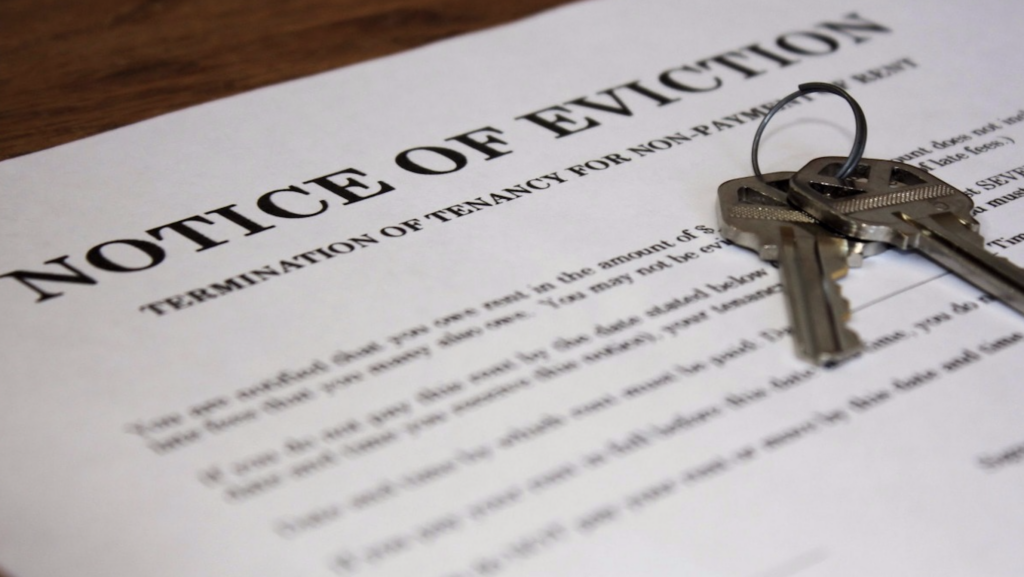
Another one of the 2026 Texas laws that directly impacts Houston is Senate Bill 38, aimed at streamlining eviction processes, especially in cases of illegal occupants or “squatters.”
Although early versions of the bill raised concerns among tenant advocates about potential due process violations, the final version was more moderate. The law establishes, among other points:
Clearer rules on jurisdiction and timelines
The obligation for courts to hold an eviction hearing within 21 days after the filing of the complaint
Houston, where millions live in rental housing, could see evictions processed more quickly, which for some landlords represents legal certainty, but for affordable housing advocates raises concerns about protecting vulnerable tenants.
Artificial Intelligence: New State Restrictions
House Bill 149 introduces a broad regulatory framework for the use of artificial intelligence (AI) in Texas. Among the most important points, the law:
Prohibits the use of AI to create sexual deepfakes or child pornography
Prevents the use of AI designed to manipulate human behavior, including incitement to violence
Prohibits the collection of biometric data through AI without authorization
These measures take effect while the federal government seeks to limit state regulation of AI. It is not yet clear how Texas rules will interact with recent federal orders, but the state law remains in effect for now.
For Houston, home to universities, startups, and technology companies, these restrictions could influence technological developments, research, and the commercial use of AI.
New Texas Tax Laws: Relief for Businesses
The package of new Texas laws also includes significant tax changes, especially for small and medium-sized businesses.
House Bill 9 raises the property tax exemption for business property from $2,500 to $125,000, a change approved by voters through a constitutional amendment in November.
State estimates indicate this measure could reduce city and county tax revenues by up to $442 million by 2027, though its supporters insist it strengthens the state’s business climate.
Another law, HB 22, eliminates taxes on intangible assets such as stock, cryptocurrency, trademarks, and intellectual property. While the fiscal impact is expected to be limited, lawmakers stated that the measure aims to simplify the tax code.
Why Do These New Texas Laws Matter for Houston?
Houston is not only the largest city in Texas but also a key hub for immigration, housing, technology, and economic activity. The 2026 Texas laws could translate into:
Increased budget pressure on Harris County
Faster eviction processes in local courts
New rules for technology companies and AI developers
Tax benefits for businesses, with potential effects on municipal revenues
Although some laws aim for efficiency or safety, local leaders and community organizations continue to evaluate their real impact on residents’ daily lives.
What Comes Next
As Texas’s new laws begin to take effect, Houston’s local authorities will need to adjust budgets, legal processes, and public policies. For residents, staying informed will be key to understanding how these changes may affect everything from housing to their community.