Published on
January 3, 2026
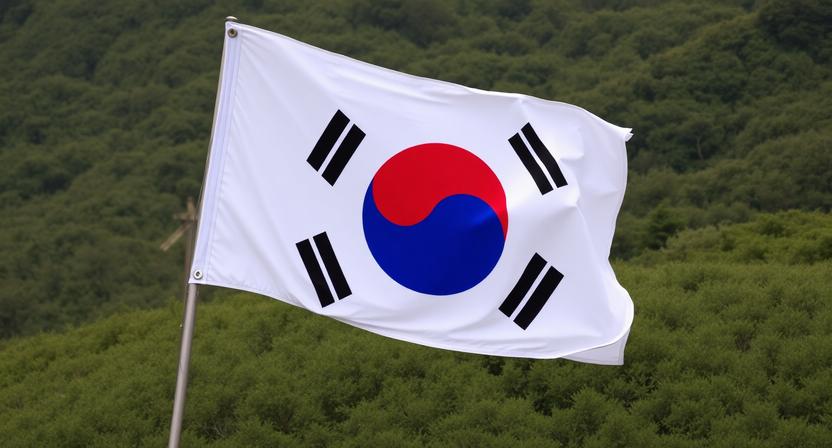
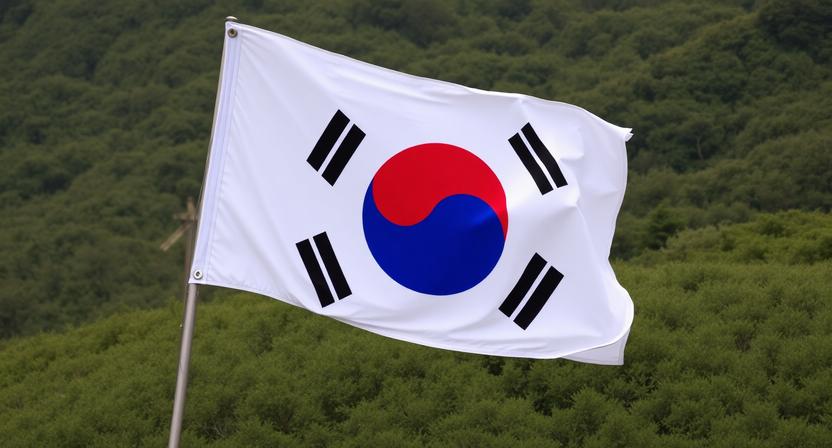
Lee Jae-myung, the President of South Korea, has instructed his government to increase protection measures for South Korean citizens residing in the country. This is because there have been military strikes by the U.S. military, allegedly as part of pressure exerted on the leader, Nicolás Maduro, by the U.S. government. This is taking place amid rising tensions.
The South Korean government is closely following the developing situation, as the region is faced with rising levels of instability. President Lee ordered Cheong-Wa Dae (the South Korean presidential office) to take every necessary precaution in ensuring that the citizens as well as tourists in Venezuela are spared any danger in light of the U.S. airstrikes that were reported. The Foreign Ministry in South Korea has called for an emergency meeting to discuss the developing situation.
70 South Koreans and Tourists Currently in Venezuela Amid Heightened Tensions
Around 70 South Korean citizens are currently residing in Venezuela, including nearly 50 in Caracas, the Venezuelan capital, where the U.S. strikes were reportedly carried out. In addition to nationals, South Korea is also concerned about the safety of South Korean tourists visiting the region, especially those on leisure or business trips. As of the latest updates, no injuries or casualties involving South Korean nationals have been reported. However, the government remains vigilant, taking all necessary steps to ensure their safety amid the uncertain situation.
The Foreign Ministry has formed a task force to prioritize the protection of its overseas citizens and tourists, working closely with South Korea’s diplomatic mission in Venezuela to monitor the situation. This includes advising South Korean tourists currently in the region to remain cautious and stay informed on the developing crisis.
U.S. Military Strikes and Growing Tensions in Venezuela: Impact on Tourism
The security situation in Venezuela has become more critical after the U.S. military’s large-scale operation against the country, which was confirmed by U.S. President Donald Trump. According to Trump’s statements, the operation was carried out in coordination with U.S. law enforcement agencies, targeting Venezuelan leader Nicolás Maduro. Trump also claimed that Maduro had been captured and removed from the country, though details of the operation remain limited, with Trump indicating that more information would be shared during a future news conference at Mar-a-Lago.
The political instability in Venezuela has drawn international attention, with various governments closely monitoring developments. In addition to the increasing concerns about civilian safety, the tourism industry in Venezuela is facing significant challenges as visitors, including South Korean tourists, become increasingly wary of their safety. With reports of military strikes and civil unrest, many potential tourists may hesitate to visit the country, affecting the local tourism economy and raising concerns about the ability of the Venezuelan government to ensure the safety of foreign visitors.
Tourist Safety Measures and Government Response
In light of the current situation, South Korea’s government is focusing on tourist safety and preparedness for possible evacuations. With the volatile political situation and ongoing military actions, it is crucial for authorities to ensure that South Korean tourists have access to the information and resources necessary for their safety. South Korea’s embassy in Caracas is working closely with local authorities to establish evacuation plans if needed, while keeping tourists updated on safety measures and advising them on how to stay protected during their visit.
South Korea’s tourism ministry is also collaborating with other countries’ embassies in Venezuela to share information and ensure that tourists from across the globe are aware of the risks involved in visiting Venezuela under current conditions. In addition to safety warnings, travelers are being encouraged to limit non-essential travel to the region, especially to areas near military zones or known hotspots for civil unrest.
Regional Impact and Broader Concerns for Global Tourism
The situation in Venezuela has broader implications for global tourism, especially in the Latin American region. As tensions rise and security concerns mount, tourism safety will become a central issue for both governments and the tourism industry. Countries like Brazil, Colombia, and Peru could see an increase in tourists seeking alternatives to visiting Venezuela, which may further strain tourism resources in neighboring nations.
In the future, as countries in the region and international organizations collaborate on improving tourist safety standards, greater emphasis will be placed on conflict management, evacuation protocols, and tourism crisis response strategies. The Venezuela crisis serves as a reminder of the vulnerability of global tourism to political instability, and the importance of proactive measures in ensuring the protection of international visitors.
South Korea’s Preparedness Amid Venezuelan Crisis and Growing Concerns for Tourist Safety
The South Korean government’s response to ensuring South Koreans and tourists in Venezuela is indicative of the increasing relevance of tourist safety in countries experiencing political instability and unrest. As events continue to unfold in Venezuela, it is likely that countries around the world will need to improve their tourist safety procedures.
The South Korean government’s active engagement in evacuation plans and tourist safety is an exemplary lesson for other countries in dealing with such issues. As the Venezuelan political crisis rolls on, the world tourism industry must prepare for this dynamic environment and work to protect foreign visitors’ safety and interests and mitigate any effects on affected economies.
