
Listen to this article
Estimated 5 minutes
The audio version of this article is generated by AI-based technology. Mispronunciations can occur. We are working with our partners to continually review and improve the results.
A planned hotel in picturesque Niagara-on-the-Lake, Ont., has drawn the ire of some local residents who say they’re concerned about the impact of the project and how the developer and town have been handling it.
Located on the site of a now-demolished public school at 325 King St., the Parliament Oak Hotel development is a few hundred metres from the town’s main tourist strip. On its website, developer Two Sisters Resorts says the four-storey facility will have 130 suites, event space, a restaurant, bar and green space.
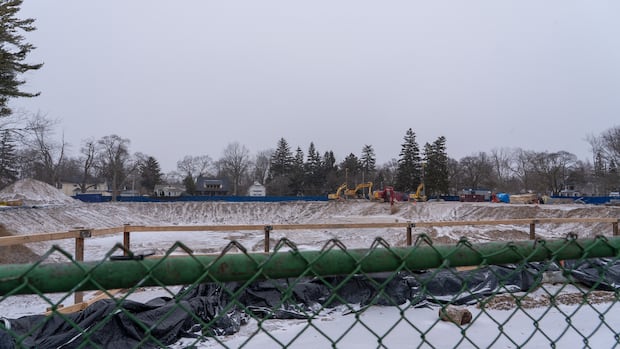
But the developer has faced several bylaw infractions leading up to its construction and some residents say they are concerned the development will cause flooding.
Ron Simkus, a retired professional engineer and mining executive, said he’s worked with a group of locals, including another engineer and a hydrogeological expert, to do their own analysis of plans the developer submitted.
“We got together and said, ‘Holy God. This thing is so thin,’” Simkus said of the plan.
Building the hotel and its underground parking structure requires diverting a lot of underground water into nearby One Mile Creek, which borders about 90 homes, he said. That creates a risk of flooding.
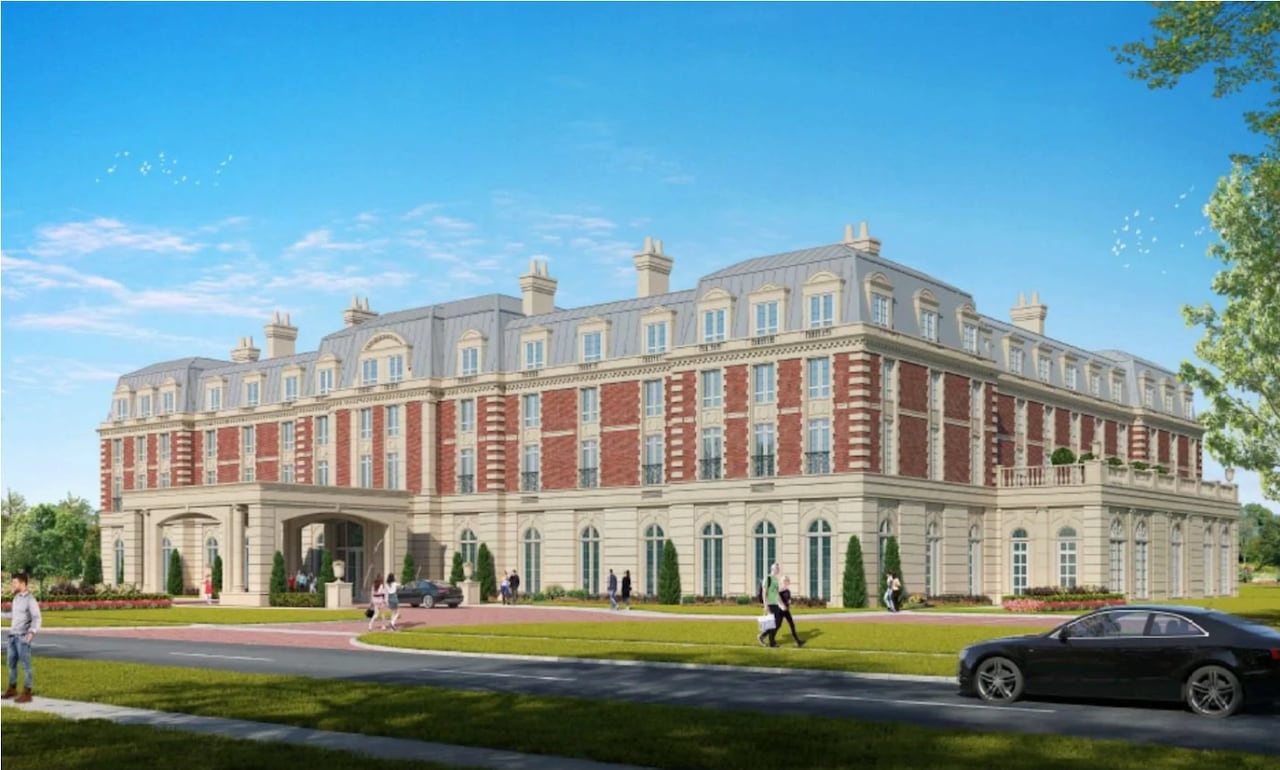
A rendering of the hotel planned for Niagara-on-the-Lake, to be built on the property of a former school. (Parliament Oak Hotel)
Two Sisters did not respond to a request for comment.
In a frequently-asked-questions section on its website, the developer says its site servicing-strategy will “ensure no negative impacts to the existing sewers and water supply.”’
Niagara-on-the-Lake Lord Mayor Gary Zalepa told CBC Hamilton town staff reviewed the developer’s plans and doesn’t have concerns.
“I’m really confident we’ve landed in a good place,” Zalepa said.
Town fined developer 10 times
For Simkus and resident Lyle Hall, who lives about 150 metres from the development, another frustration with Parliament Oak has been alleged violations of town bylaws.
As of Dec. 18, the town had fined the developer $500 a total of 10 times, Niagara-on-the-Lake spokesperson Marah Minor told CBC Hamilton in an email.
In September, for example, the town issued two stop-work orders for excavation and removing soil without a permit.
Despite those stop-work orders, Hall said, he continued to see work happening on the site. He doesn’t think the town has done enough to crack down on all the alleged violations.
But Minor said the development is now in compliance with the rules and the town has issued a conditional building permit for the foundation, allowing construction to begin.
Nearly $1 million in development charges waived
Simkus is also one of seven directors of a community group now calling for an investigation after regional councillors voted to waive $904,819 in development charges for the project at a Nov. 20 meeting.
Development charges are a one-time fee paid by developers to municipalities to help pay for the infrastructure, such as roads and sewers, public spaces like parks, and services like firefighters to support the intensification, according to the Niagara Region’s website.
At the November meeting, a lawyer for Two Sisters said Niagara-on-the-Lake forced the developer to build a second level of underground parking they weren’t planning on, which is why they were looking to pay less in development charges to the regional government.
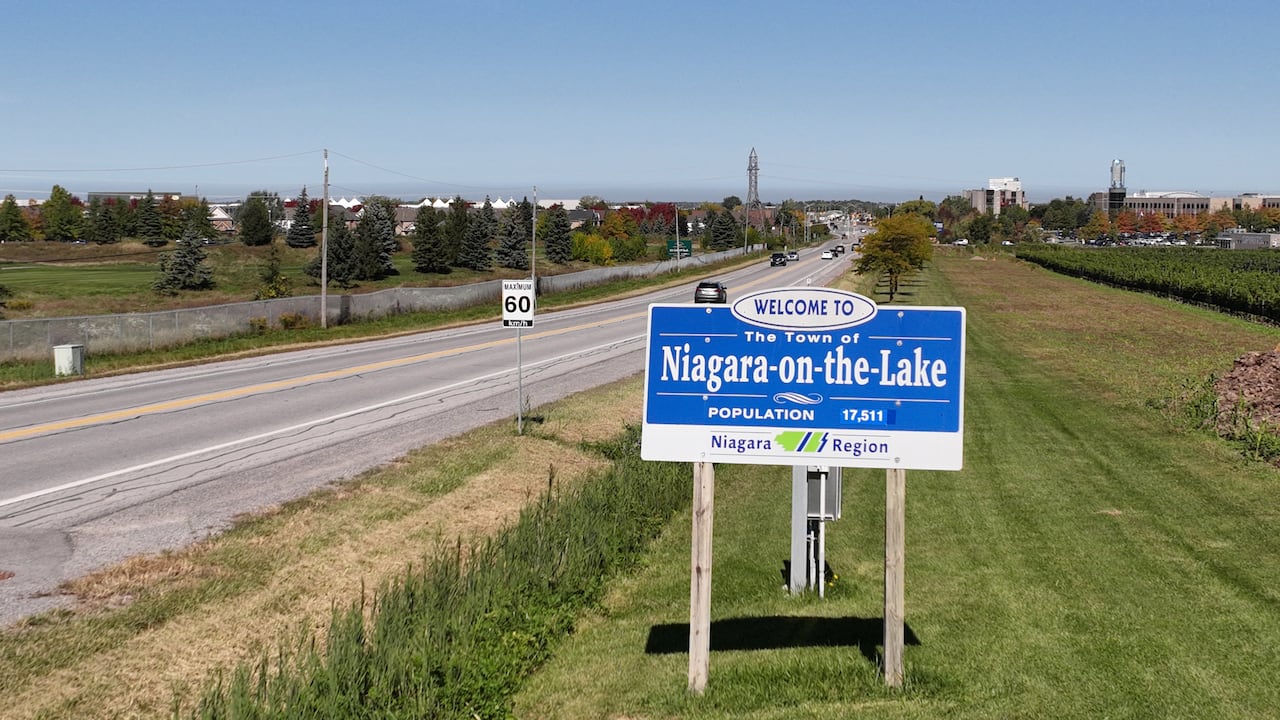
Niagara-on-the-Lake is a tourist destination known for its wineries and quaint downtown. (Patrick Morrell/CBC)
However, Simkus said the developer should’ve known the additional parking would be required, based on earlier site plans.
Zalepa voted in favour of waiving the fees, as did Niagara Falls Mayor Jim Diodati. He said charging development fees for underground parking would deter developers from building it at a time when the region is actively encouraging them to do so.
Some regional councillors questioned whether waiving the charges would mean Niagara taxpayers would cover the cost instead of the developers. Staff are going to report back on the financial implications, Zalepa told CBC.
But Hall said it’s an example of the region and town being “very responsive” to developers and less responsive to residents. She is also concerned it could set a dangerous precedent.
Simkus said after the developer’s alleged violations of town bylaws they shouldn’t be given a break.
Zalepa said he doesn’t see a connection between the fines and the development charge relief.
Residents call for watchdog investigation
In a Dec. 20 letter to Ontario’s ombudsman, Niagara-on-the-Lake Residents Association director Stuart C. McCormack wrote that the regional council made its decision based on “misinformation” and “improper considerations” and that it falls outside the council’s authority.
CBC Hamilton has viewed the letter and asked Ombudsman Ontario to confirm if it received it. Spokesperson Linda Williamson said the watchdog’s office wouldn’t comment as its complaints process is confidential.
On Dec. 22, Zalepa said he hadn’t seen or heard about the complaint yet, so he couldn’t speak to it.