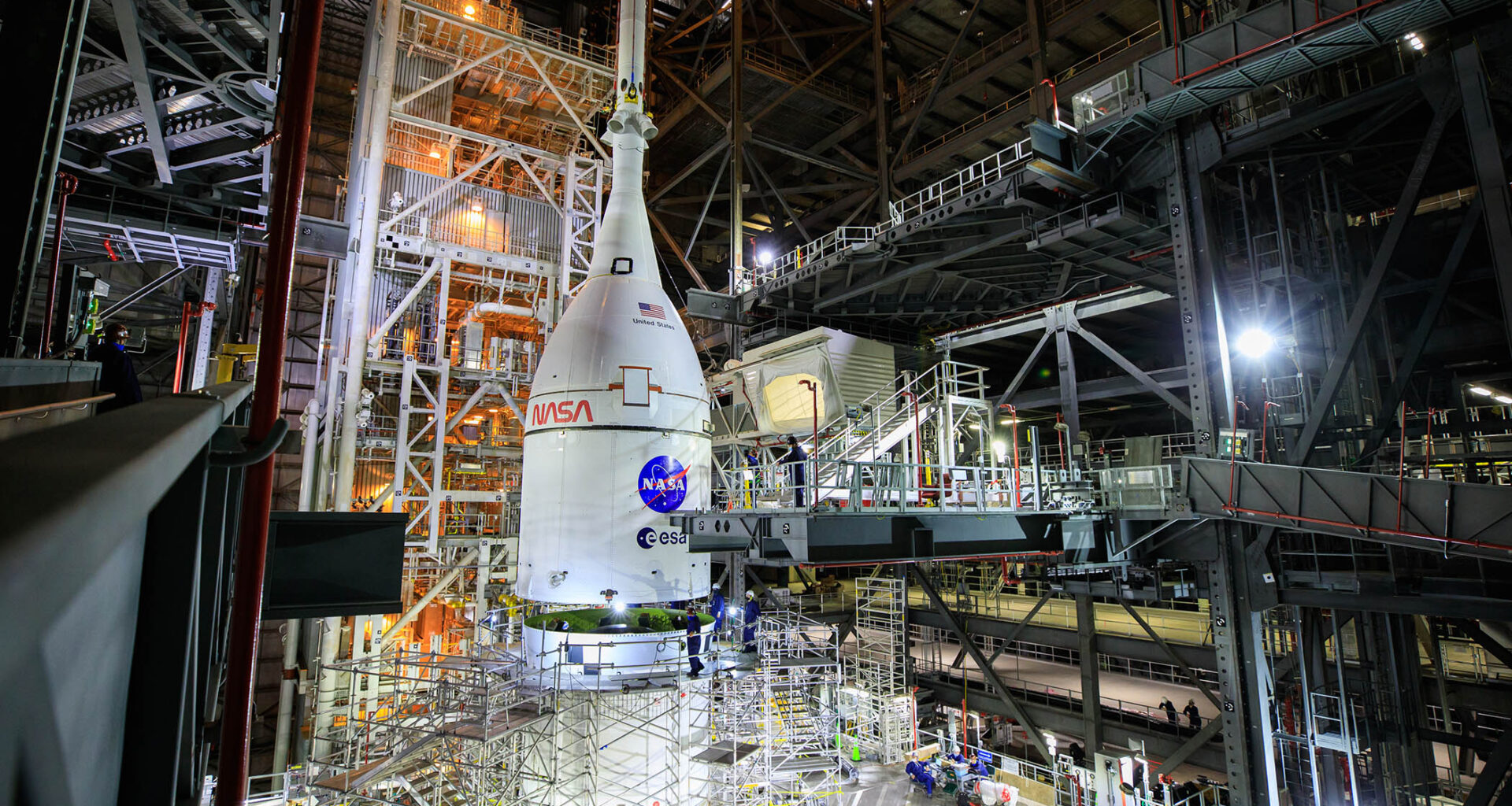
If my critical brain was disappointed, the part of me that desperately wants to climb aboard the Starship Enterprise, that watches the film of Apollo 13 over and over, that listens to the brilliant podcast 13 Minutes to the Moon, yes, over and over, was exhilarated at a reptilian level at running away from aliens on a strange planet, even if the planet was really on the banks of Old Father Thames. So I’m thrilled that this year, if all goes according to plan, Nasa and the Canadian Space Agency will travel around the moon on the Artemis mission – pretty much what Frank Borman, Jim Lovell and Bill Anders accomplished in 1968, but it’s been decades since any craft has travelled that astonishing distance. And Blue Origin, Jeff Bezos’s spaceflight company, plans to settle a lander on the lunar surface sometime this year. But my instinctive pleasure at such accomplishments (or, potential accomplishments, better safe than sorry) is tempered by dismay at the news that the library of the Goddard Space Flight Center – Nasa’s largest library, located in Greenbelt, Maryland – is to be shut. Some of its holdings will be stored in a government warehouse but some of it, hold on to your hats, will just be thrown away. Thrown away! Much of this material is not digitised. It is available nowhere else, in no other way. Seven other Nasa libraries have already been closed since 2022. A Nasa spokeswoman told the New York Times that this was a “consolidation not a closure” but, like so much talk that comes from American government agencies these days, that’s just not true. I despair. How can we fly into the future if we don’t know where we’ve been?