Published on
January 4, 2026
European Sleeper announces a new night train route linking Amsterdam and Brussels to Milan for summer 2026 launch, enhancing sustainable tourism across Benelux, Switzerland and Italy. The community-owned operator also prepares its Paris–Berlin service starting March 2026, with tickets for Milan available early next year to capture rising demand for car-free European journeys. Travelers gain comfortable overnight travel via the historic Simplon line, stopping in Cologne, Bern, Brig and Stresa on Lake Maggiore, expanding the network that already spans Brussels, Amsterdam, Berlin, Dresden and Prague. This development supercharges tourism by offering eco-conscious alternatives to flights, boosting visits to cultural capitals and alpine landscapes while slashing carbon footprints.
Paris-Berlin Night Train Accelerates Spring Tourism Surge
The Paris–Berlin route debuts in March 2026, providing direct overnight connections that revive classic rail tourism between France and Germany. Passengers enjoy private cabins and dining cars, arriving refreshed for sightseeing in iconic cities. Tourism in Paris and Berlin benefits immensely, as rail enthusiasts bypass airports for immersive journeys through Champagne vineyards and Rhineland valleys, increasing dwell times and local spending on museums, cafes and markets.
This service complements existing links, drawing families and couples seeking romantic, low-stress travel that aligns with EU green initiatives. Tourism operators anticipate higher shoulder-season bookings, filling hotels in both destinations year-round.
Milan Route via Simplon Line Transforms Alpine Tourism
Running via Switzerland’s legendary Simplon Tunnel, the Amsterdam–Brussels–Milan sleeper traverses Cologne’s Gothic cathedral, Bern’s medieval old town, Brig’s mountain passes and Stresa’s lakeside villas. Summer 2026 timings cater to weekend escapes, with departures aligning for morning arrivals in fashion-forward Milan. Tourism explodes along the corridor, as scenic stops encourage multi-destination itineraries blending Dutch canals, Swiss chocolate and Italian opera, directly benefiting small-town economies reliant on transit visitors.
Lake Maggiore’s allure amplifies tourism draw, with day trips to Borromean Islands surging via convenient rail access. Sustainable credentials attract millennials prioritizing planet-friendly vacations over short-haul flights.
Network Expansion Fuels Pan-European Rail Tourism
European Sleeper’s growing web now integrates Prague, Dresden, Berlin, Brussels, Amsterdam, Paris, Milan and Swiss gems, creating seamless tourism circuits across Central Europe. Community ownership ensures profits reinvest in service quality, from refurbished sleepers to regional cuisine onboard. Tourism impacts ripple outward, reviving station-side businesses in Cologne and Bern while promoting lesser-known spots like Brig‘s castles.
Intercity links enable hop-on itineraries, extending stays beyond capitals and countering overtourism in hotspots. Rail tourism gains momentum as governments subsidize green corridors.
Sustainable Travel Reshapes European Tourism Landscape
Night trains slash emissions by up to ninety percent versus planes, positioning European Sleeper as a tourism game-changer amid climate pressures. Amsterdam cyclists, Brussels art lovers and Milan shoppers access destinations carbon-neutrally, appealing to eco-aware demographics. Tourism boards promote these routes in sustainability campaigns, projecting doubled rail shares in leisure travel by decade’s end.
Destinations like Stresa experience off-peak booms, with families basing there for Ticino hikes and Piedmont wines, diversifying beyond summer crowds.
Comfortable Cabins Elevate Luxury Rail Tourism
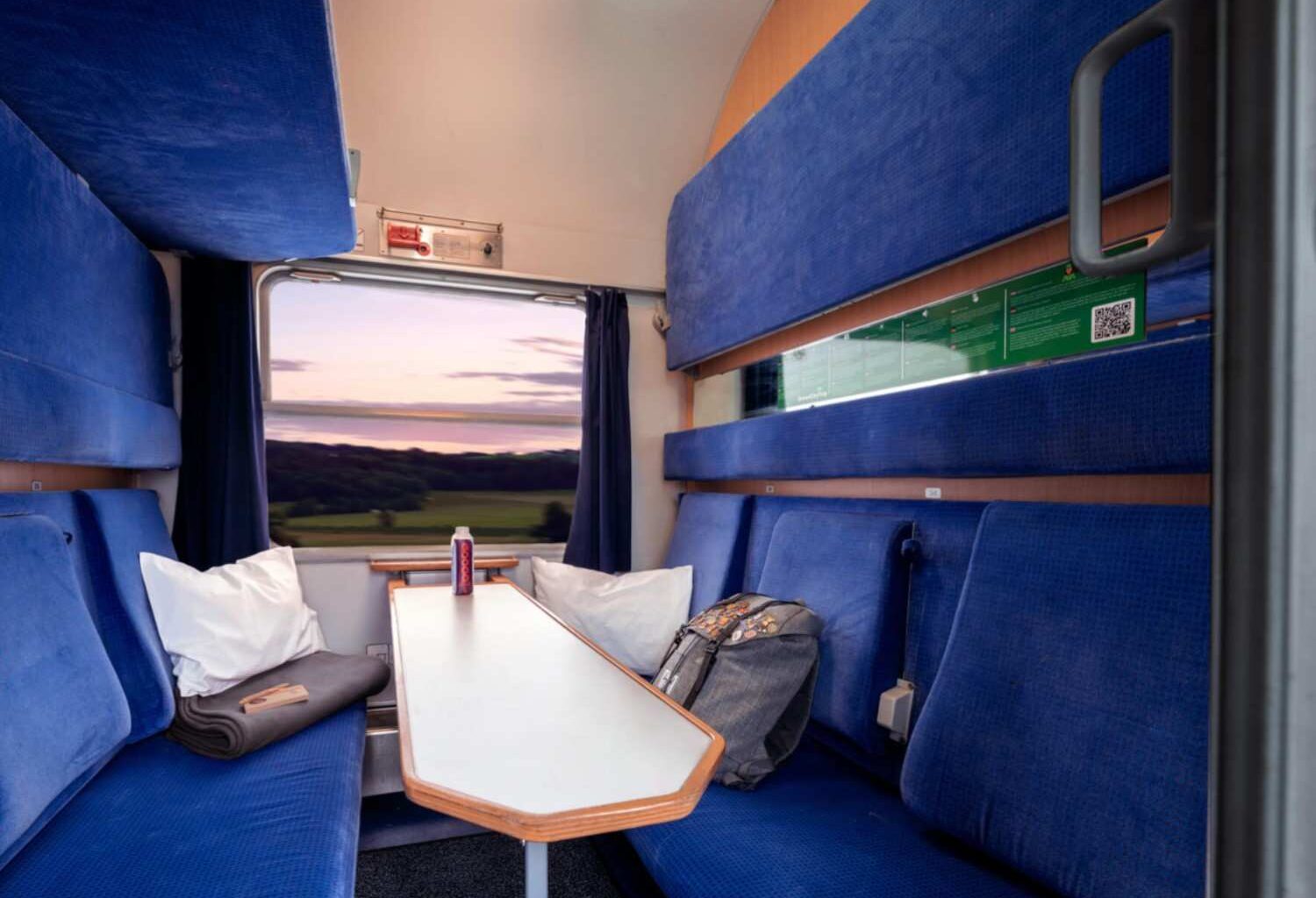
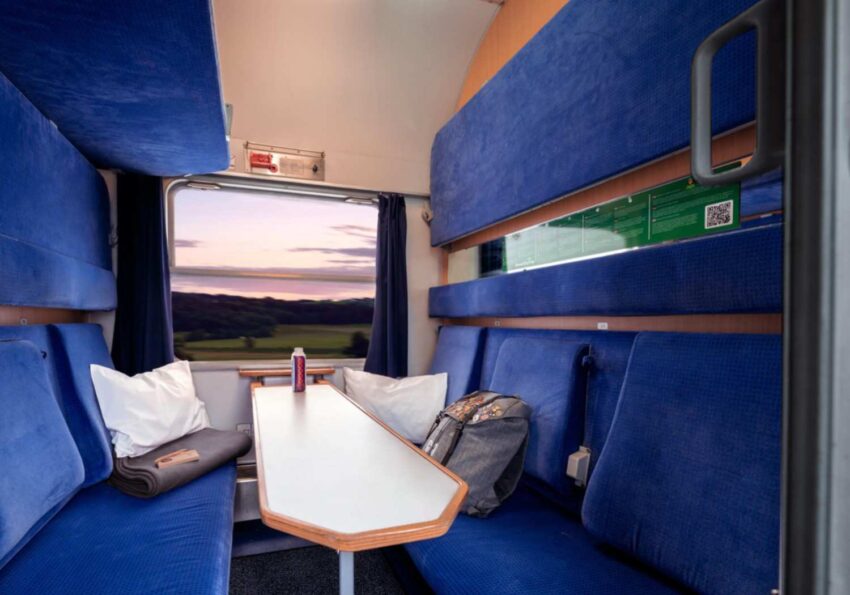
Modern amenities including en-suite sleepers, Wi-Fi and panoramic views elevate tourism from mere transport to vacation highlight. Paris departures whisk diners through twilight fields to Berlin‘s dawn skyline, while Milan arrivals position guests for Duomo climbs. Small group dynamics foster social tourism, connecting solo travelers with like-minded explorers.
Tourism revenues climb as passengers splurge on upgrades, onboard retail and guided extensions, enriching operator partnerships with local tourism entities.
Ticket Launch Sparks Early Booking Tourism Frenzy
Early 2026 ticketing for Milan incentivizes advance planning, locking in summer slots amid surging demand for authentic rail adventures. Affordable pricing undercuts flights when factoring convenience and ecology, broadening tourism to budget families. Brussels and Amsterdam hubs streamline connections, funneling regional passengers into international routes.
This strategy boosts tourism predictability, enabling hotels in Bern and Cologne to forecast arrivals accurately and tailor packages around train schedules.
Scenic Stops Ignite Regional Tourism Discoveries
Cologne’s breweries, Bern’s bear park, Brig’s alpine trails and Stresa’s gardens become must-stops, redistributing tourism from urban cores to charming intermediates. Day excursions via efficient Swiss rail multiply economic impacts, supporting family-run inns and farm-to-table eateries. Tourism diversification strengthens resilience against economic dips.
Lake Maggiore’s villas and steamers thrive on overnight influxes, positioning Stresa as a sleeper-train star for Italian Riviera extensions.
Community Ownership Powers Inclusive Tourism Growth
One hundred percent community-backed, European Sleeper prioritizes passenger feedback, ensuring routes reflect genuine needs over corporate profits. This model inspires tourism cooperatives across Europe, from Dutch ports to Italian lakes. Locals invest in shares, fostering ownership that sustains long-term tourism vitality. Destinations gain loyal advocates, with riders sharing Instagram reels of Simplon sunrises, virally promoting rail tourism.
Eco-Tourism Momentum Builds Continental Connections
Paris–Berlin and Milan routes anchor a vision for coast-to-coast sleepers, linking Iberia to Balkans eventually. EU funding accelerates rollouts, aligning with net-zero mandates. Tourism shifts paradigm, with trains reclaiming market from low-cost carriers through superior comfort and scenery.
Amsterdam, Brussels and Milan emerge as green gateways, their stations evolving into tourism hubs with lounges and info centers.
Night Trains Herald Golden Age of European Tourism
Projections forecast millions shifting to rail, inflating tourism GDP contributions via multiplier effects. European Sleeper sets benchmarks for competitors, spurring network density. Destinations prepare with themed packages, Milan fashion weeks via sleeper, Paris romance rails, cementing allure.
This renaissance rekindles nostalgia while innovating sustainably, ensuring tourism thrives for generations. Vintage routes reborn promise adventures where destinations unfold under stars.
Image Credit: European Sleeper Exploitatie B.V.
