Published on
January 4, 2026
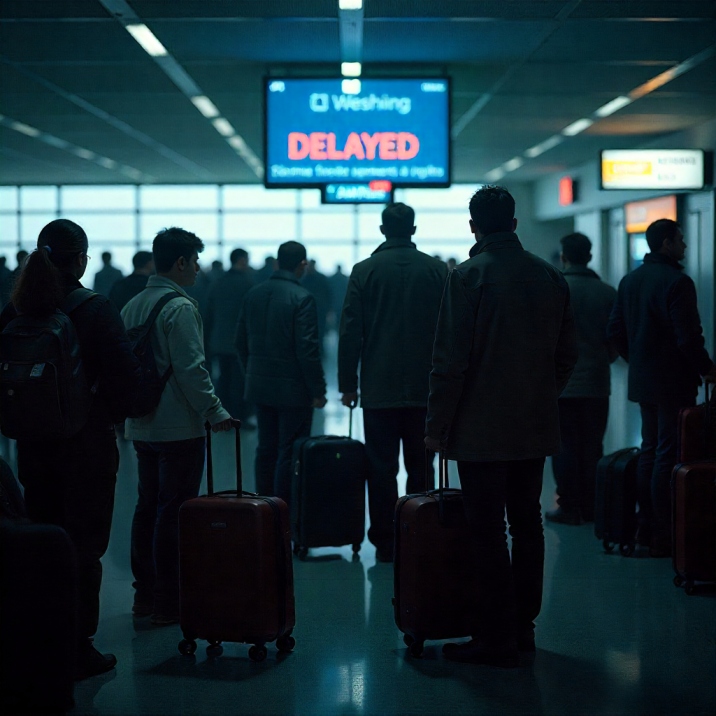
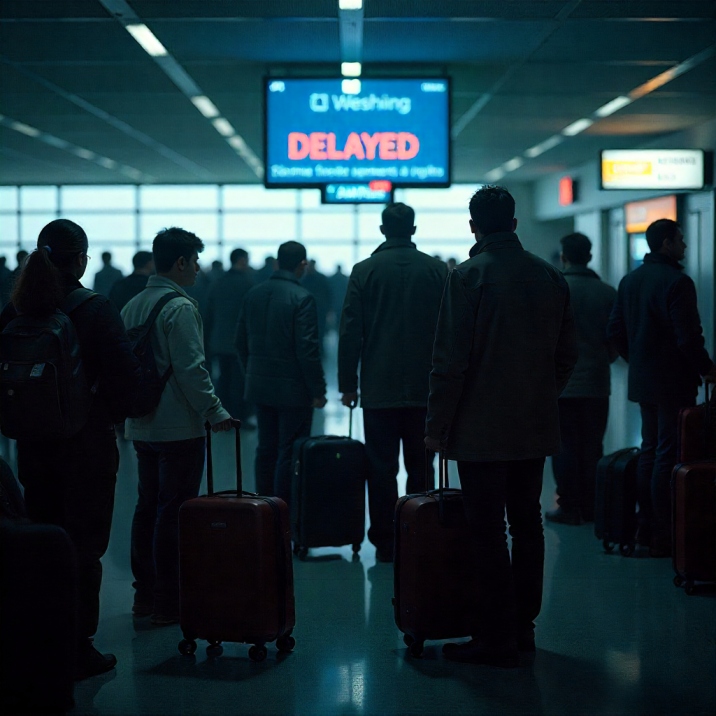
Flight disruptions have surged across Switzerland today. Travelers at the airport of Zurich now face a challenging landscape of cancellations and significant wait times. This situation has evolved rapidly. It impacts both domestic and international routes. Swiss International Air Lines currently manages the highest volume of these delays. Meanwhile, KLM has also reported multiple cancelled services. Passengers are navigating these hurdles throughout the terminal. These events have created a ripple effect across European air travel. Clear communication remains essential for everyone involved. Travelers should monitor their flight status closely. According to recent data, there’s a total of 12 cancellations and 246 delays reported. This report examines the specific data behind these interruptions. We break down the impact on carriers and passengers alike.
The primary site of these operational difficulties is Zurich (Kloten), the busiest international flight facility in Switzerland. According to recent data, the airport is grappling with a total of 12 flight cancellations today. While a dozen cancellations might seem manageable in isolation, they are compounded by a staggering 246 reported delays.
Because Zurich serves as a critical junction for European air traffic, the ripple effects of these delays are being felt throughout the terminal. This volume of disrupted flights at Zurich represents a significant deviation from standard operating efficiency, placing the facility under intense scrutiny by both travel analysts and the flying public.
Several major carriers have been identified as the primary entities affected by this wave of disruptions. The burden of cancellations and delays is distributed among some of the most prominent names in European aviation.
KLM has been notably impacted, with 5 cancellations and 4 delays recorded. Meanwhile, the national flag carrier, Swiss International Air Lines (Swiss), is bearing the brunt of the scheduling irregularities. A total of 3 cancellations and 75 delays have been attributed to Swiss, making it the most heavily delayed airline in the region today.
Furthermore, regional and partner airlines have not been spared. Brussels Airlines has reported 2 cancellations alongside 2 delays. Similarly, Helvetic is dealing with 2 cancellations and 22 delays. The concentration of these disruptions among these specific carriers highlights a difficult day for airline operations within Switzerland. The high number of delays, particularly those involving Swiss, suggests that the scheduling integrity of the Zurich hub is currently under significant pressure.
Beyond these specific figures, delays were being experienced by several other Airlines, like Edelweiss Air AG, easyJet, Turkish Airlines, SAS, Austrian Airlines, Condor and more.
The disruption of over 250 flights is expected to have a tangible influence on local tourism, particularly in Zurich and the surrounding regions. As the financial and cultural heart of Switzerland, any instability in air travel accessibility can lead to immediate consequences for the hospitality sector.
With hundreds of delays occurring, many travelers may find their itineraries shortened, leading to potential revenue losses for local hotels and tour operators. Short-term visitors who were scheduled for day trips or brief business stays may be forced to bypass their destinations entirely due to the 12 cancellations. The presence of these travel hurdles can temporarily dampen the tourist experience, as the seamless connectivity usually associated with Switzerland is momentarily interrupted. The influx of delayed passengers may also result in an unexpected surge in demand for airport-adjacent accommodations and services, shifting the focus of tourism from leisure to contingency management.
For those currently caught in the travel upheaval at Zurich, several professional recommendations are offered to navigate the situation. Passengers are advised to maintain constant communication with their respective airlines, as real-time updates are essential during periods of high-frequency delays.
Under standard aviation protocols, passengers affected by the 12 cancellations should be informed of their rights regarding rebooking or potential refunds. Given that Swiss and KLM represent a large portion of the affected flights, travelers should utilize the mobile applications and digital help desks of these carriers to seek alternative arrangements.
Documentation is also considered a priority; travelers are encouraged to keep records of all communications and expenses incurred due to the delays. While the situation in Switzerland remains fluid, the primary focus for passengers should be the confirmation of their new flight statuses before proceeding to the terminal. As the airport works through the backlog of 246 delays, patience and proactive planning are the most effective tools for those navigating the current travel conundrum.
-The information provided is sourced from FlightAware.
