Wang Nan, a hardware trader in China’s eastern city of Yiwu, expected her business to feel some pain when the US-China trade war escalated in April. “Last year, we still had many American clients, but the tariffs changed everything,” she said.
“Yiwu does global business and never lives on American business alone,” Wang said.
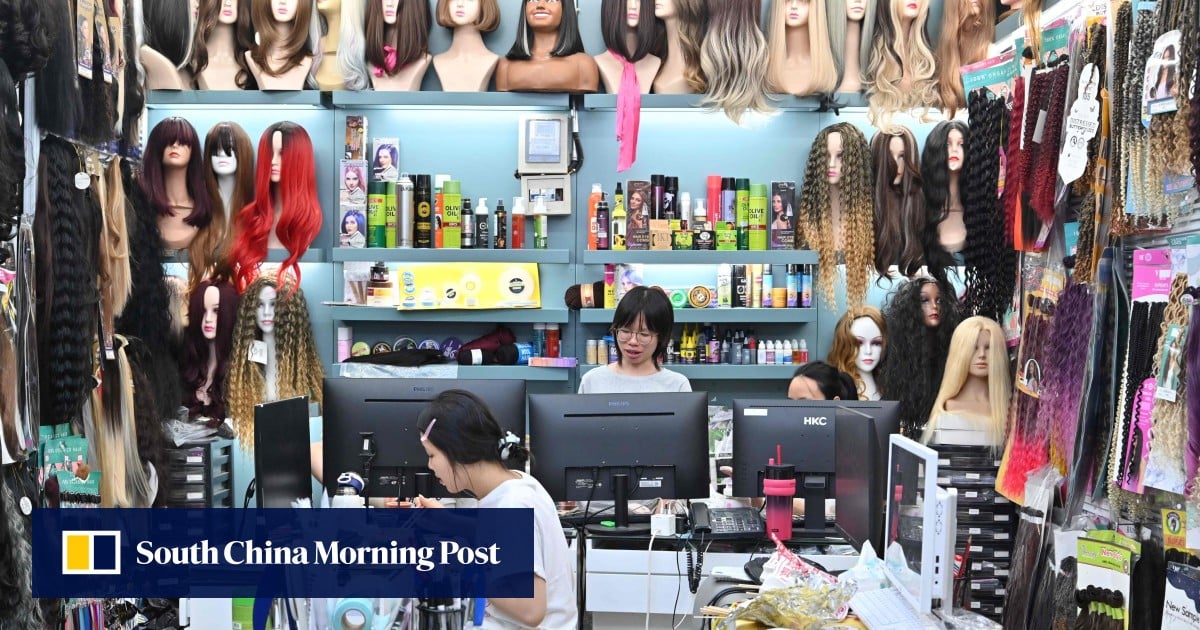
Similar stories have played out this year across Yiwu – a vast trading hub for wholesale goods often dubbed the “world’s supermarket” – as local exports proved remarkably resilient in the face of US President Donald Trump’s tariff policies.
But in reality, Yiwu has replaced lost American sales with surprising ease. The city’s imports and exports surpassed 700 billion yuan (US$99 billion) in the first 10 months of 2025 – a year-on-year increase of 25.2 per cent and more than the total recorded for the whole of last year, according to local customs data.