Published on
January 4, 2026
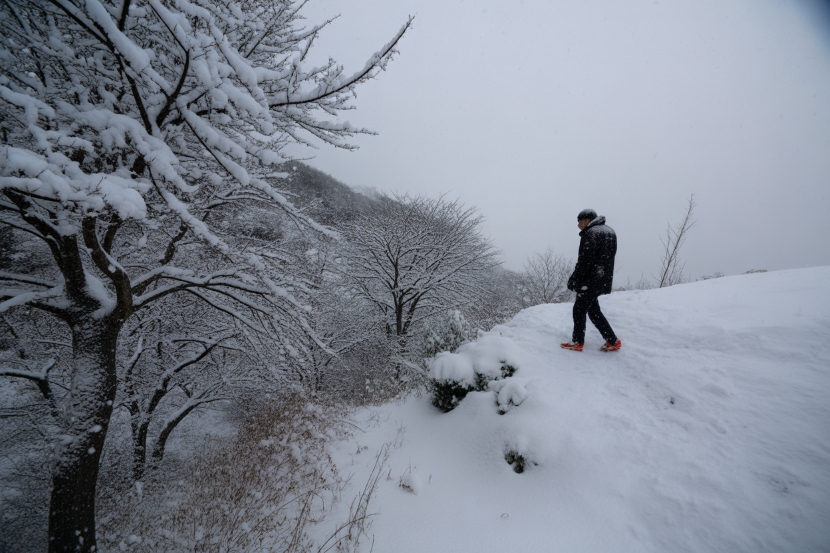
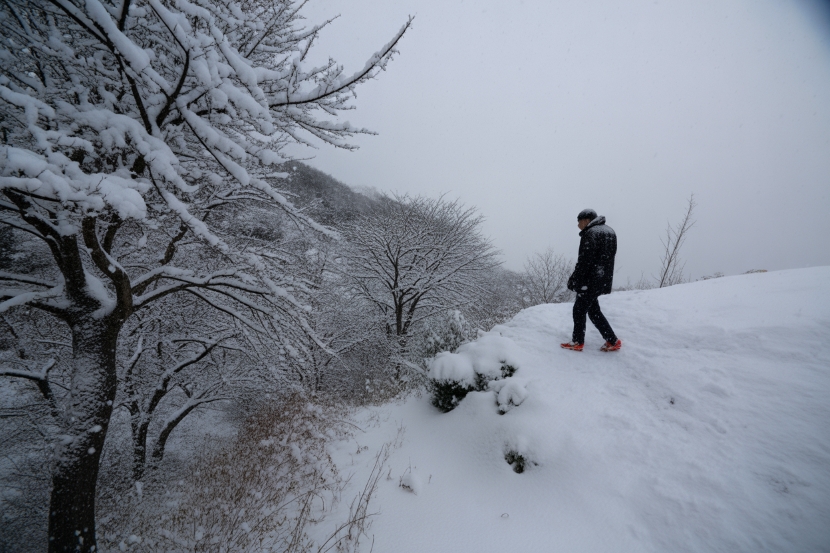
Tokyo, Japan – Travellers in Japan are confronting increasingly challenging conditions as government weather forecasts confirm that eastern and northern Japan will continue to face heavy snowfall and wintry hazards this week. The Japan Meteorological Agency (JMA) – the authoritative government body that monitors weather and issues official alerts – has warned that a cold mass lingering over the country will persist in bringing snow mainly to the Sea of Japan side of eastern and northern regions through the coming days. This forecast is rooted in the latest observed data and official weather bulletins.
Winter in Japan is a magnet for tourists, with powder snow in Hokkaido, traditional New Year festivals in Tohoku and scenic landscapes across Honshu drawing travellers from around the world. But this year, nature’s winter force is testing both residents and visitors as snow depths already reach significant levels in parts of Niigata, Gunma, Fukui and Hiroshima prefectures. These conditions are creating a travel and safety scenario that demands close attention and preparation from all in the region.
Official Snow Forecast Confirmed by Government Meteorologists
The Japan Meteorological Agency’s forecast confirms that a potent cold air mass over Japan will maintain snowfall activity, especially along the coastal belt facing the Sea of Japan. Snowfall has already been heavy in the past weekend. For example, official maximum accumulations reported by JMA included 81 centimetres in Itoigawa City (Niigata Prefecture) and 76 centimetres in Minakami Town (Gunma Prefecture) as of Saturday morning. Other areas such as Minamiechizen in Fukui Prefecture and Kitahiroshima in Hiroshima Prefecture also recorded deep snow.
JMA’s official outlook states that while the winter pressure pattern may gradually lose some intensity, the cold air mass responsible for these conditions will not dissipate immediately and is expected to keep producing snowfall through Monday. This forecast is directly based on the agency’s latest public weather report.
Long Lines and Slow Roads as Snow Continues
Snow and ice have already made roads slippery and hazardous. The timing of this snow event coincides with a busy travel period as many individuals return from New Year holiday trips, posing a real risk of traffic slowdowns and accidents. The official forecast emphasises that icy roads and snowdrifts can disrupt transportation networks without warning.
Travellers on self‑drive tours or tours using buses should allow extra time for journeys. Navigation apps often lag behind real‑world conditions in heavy snow, so checking local transport advisory websites and service updates before departure is essential.
Safety Risks Beyond Snowfall
Government advisors have also stressed that avalanches and power outages remain a threat in areas where snow load becomes heavy on infrastructure and utility lines. Residents and visitors alike are being urged to stay abreast of official updates and to register for weather alert services where possible.
For tourists staying in or travelling to Japan’s famed winter destinations, like the ski resorts of Hokkaido and the Tohoku region, this means planning with safety as the highest priority. Expect potential delays in rail services, temporary road closures, and flight disruptions, as these conditions are known to weaken transportation reliability.
Travel and Winter Safety Tips
Travel experts recommend several proactive steps for visitors navigating Japan during this heavy snow event:
Monitor official forecasts daily: The JMA provides updated snow forecasts and maps showing expected snowfall and snow depths, which travellers should consult before making plans.Prepare for winter driving conditions: If driving, ensure vehicles are equipped with winter tyres or snow chains and carry essentials such as warm clothing, food, water and a fully charged device.Allow extra transit time: Trains, buses and flights may run late or be cancelled without substantial notice due to snow and ice on tracks and runways.Keep travel insurance updated: Policies that cover weather‑related disruptions can reduce the financial strain caused by changing itineraries.Avoid coastal and exposed areas during high seas and wind warnings: The Sea of Japan coast is susceptible to strong winds and rough waters during such weather patterns.Official Weather Tools You Can Use
For those in Japan right now, the JMA’s official weather warning page lists current advisories on snowstorms, high waves and other severe weather phenomena. These are the confirmed bulletins used by local authorities for emergency planning and public guidance.
Additionally, JMA’s analysis and forecast maps for snow give travellers detailed visuals of snowfall intensity and expected evolution over the next several days.
A Pattern of Winter Extremes
This heavy snow forecast follows years of notable winter weather challenges in Japan. In past seasons, northern regions have recorded unprecedented snow depths that have caused widespread disruptions to travel and local life. Though each winter season varies, this official warning underscores that Japan’s winter weather remains dynamic and potent.
Travel planners and visitors should treat the confirmed government forecast with urgency. Winter here is breathtakingly beautiful, but the power of snow and wind can change travel plans quickly and without notice. Those in Japan now or planning to arrive soon are best served by staying informed, prepared and cautious as they explore this spectacular winter landscape under challenging conditions.
