Published on
January 4, 2026
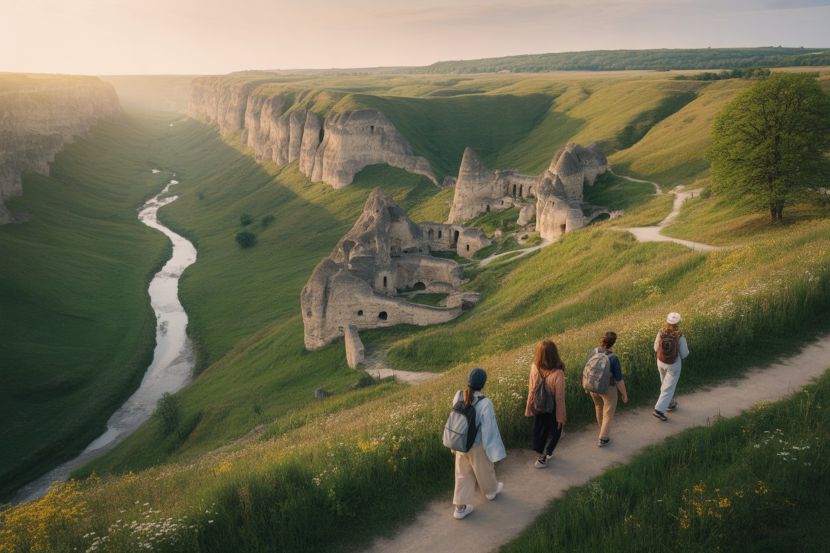
Moldova, Estonia, Lithuania, and Bulgaria are leading the charge in promoting sustainable tourism in Eastern Europe, offering travelers the chance to experience unique cultural heritage while preserving the environment. These countries are rolling out a series of initiatives aimed at enhancing their appeal to eco-conscious visitors, while making sure the regions’ natural and historical treasures are protected for generations to come. The focus is not just on attracting tourists but also on ensuring that local communities directly benefit from tourism without compromising the areas’ authenticity.
In a move that is expected to redefine the region’s tourism landscape, Moldova, Estonia, Lithuania, and Bulgaria are working on strategies that blend culture, history, and sustainability. As travelers increasingly seek destinations that offer more than just sightseeing, these countries are positioning themselves as ideal locations for meaningful and responsible tourism. From UNESCO World Heritage Sites to natural reserves, each country is developing ways for visitors to experience their rich cultural fabric without putting undue pressure on local resources.
Estonia, known for its lush forests and medieval towns, has been a leader in promoting eco-friendly travel. By supporting nature-based tourism initiatives, the country aims to provide a greener travel experience. Eco-conscious travelers can explore Estonia’s nature reserves, hike through protected landscapes, or take part in guided green tours that highlight the importance of conservation. These initiatives are designed to reduce carbon footprints while allowing visitors to experience the beauty of Estonia’s natural environment in a sustainable way.
Similarly, Bulgaria is embracing the concept of sustainable tourism. The country is focusing on developing eco-resorts and promoting cultural tourism that benefits both travelers and local communities. Bulgaria’s government is encouraging tourism that contributes to the local economy, whether through the promotion of small-scale agritourism or supporting businesses that champion environmental practices. These efforts are helping to build a tourism industry that respects the environment while supporting sustainable livelihoods for local residents.
In Moldova, there is a growing emphasis on rural tourism. The country is highlighting its picturesque villages, rich traditions, and local handicrafts to draw visitors looking for authentic cultural experiences. These initiatives allow travelers to immerse themselves in Moldova’s cultural heritage while directly benefiting the rural communities they visit. As Moldova focuses on boosting its tourism industry, it is ensuring that local customs and traditions are preserved and shared with international visitors in a respectful manner.
Lithuania is also working to enhance its sustainable tourism offerings. With its charming towns, scenic lakes, and dense forests, Lithuania is home to numerous heritage sites, including several UNESCO-listed landmarks. The government is working to ensure that these sites are protected while still allowing travelers to visit and learn about the country’s history and traditions. Lithuania’s efforts are not only about protecting the environment but also about promoting responsible tourism practices that give back to the local community.
A key part of the efforts in these countries is the protection of UNESCO World Heritage Sites. From Moldova’s Orheiul Vechi to Estonia’s Tallinn Old Town and Bulgaria’s Rila Monastery, these culturally significant sites attract thousands of visitors every year. By focusing on sustainable tourism, Moldova, Estonia, Lithuania, and Bulgaria are working to ensure that these historical landmarks remain intact for future generations. Visitors to these sites will now find themselves part of a larger initiative to protect these treasures while also experiencing their deep cultural and historical significance.
The focus on sustainability is more than just an environmental effort—it is an economic strategy as well. Sustainable tourism is seen as a way to attract a new generation of travelers who value eco-friendly travel options. These initiatives are expected to draw a growing number of visitors who are eager to explore Eastern Europe in a responsible manner, all while enjoying the rich cultural experiences these countries have to offer.
For local communities, sustainable tourism means the creation of new jobs, the development of small businesses, and the promotion of traditional crafts and products. It also helps to reduce the impact of mass tourism, which can often lead to overcrowding and the depletion of natural resources. By supporting sustainable tourism, these countries are fostering long-term growth, ensuring that their cultural heritage and natural beauty remain accessible to visitors for years to come.
The steps being taken by Moldova, Estonia, Lithuania, and Bulgaria are setting the stage for a new era of tourism in Eastern Europe. As travelers seek destinations that align with their values, these countries are ready to offer authentic, sustainable, and culturally rich experiences. By focusing on heritage preservation, eco-friendly initiatives, and community involvement, Moldova, Estonia, Lithuania, and Bulgaria are well-positioned to become leaders in the global sustainable tourism movement.
As the tourism industry continues to evolve, the efforts made by these Eastern European countries are a shining example of how tourism can benefit both the environment and local economies. Visitors can now enjoy a deeper connection with the region’s history and culture while contributing to its preservation. Moldova, Estonia, Lithuania, and Bulgaria are proving that with the right strategies, tourism can be both rewarding and responsible.
