Published on
January 4, 2026
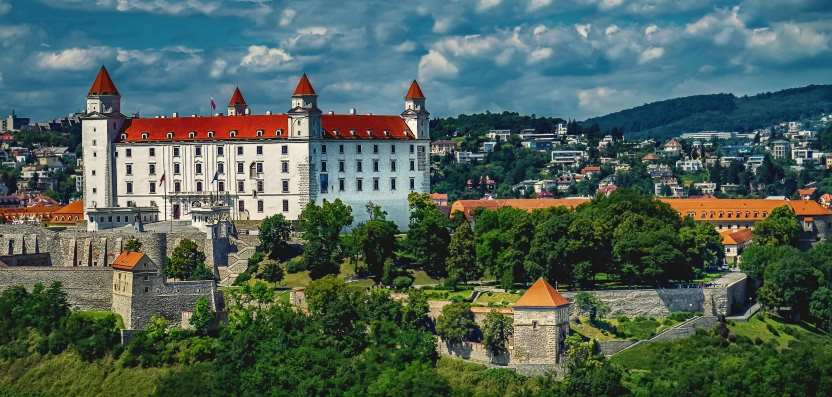
Europe’s cultural travel landscape is set for a major transformation in 2026 as Oulu in Finland and Trenčín in Slovakia step into the global spotlight as European Capitals of Culture. For travelers, tour operators, and destination planners worldwide, this designation signals more than cultural prestige. It marks the rise of two destinations ready to deliver immersive, year-long travel experiences rooted in creativity, heritage, and community life.
From a tourism industry perspective, the title positions both cities as high-potential cultural hubs, offering new opportunities for experiential travel, sustainable tourism growth, and off-the-beaten-path European exploration.
A Cultural Title That Drives Tourism Growth
The European Capital of Culture program has long been a catalyst for destination reinvention. Cities awarded the title typically experience increased visitor arrivals, extended length of stay, and long-term improvements in tourism infrastructure. For travelers, it means access to curated festivals, public art, storytelling experiences, and cultural events spread across an entire year.
In 2026, Oulu and Trenčín will use culture as a bridge between locals and visitors, encouraging deeper engagement rather than surface-level sightseeing.
Oulu: A Nordic Cultural Gateway for Modern Explorers
Located along Finland’s northern coast, Oulu brings a fresh Arctic perspective to cultural tourism. Known for innovation, design thinking, and proximity to pristine nature, the city is preparing for a full calendar of cultural programming that blends technology, tradition, and sustainability.
For travelers, Oulu offers a rare combination. It is both contemporary and deeply connected to nature. Cultural venues sit alongside forests, rivers, and coastal trails. Winter travelers can pair arts events with northern lights experiences, while summer visitors enjoy long daylight hours filled with open-air performances, markets, and creative workshops.
From a tourism industry standpoint, Oulu’s strength lies in its ability to attract experience-driven travelers. These visitors seek authentic local stories, interactive culture, and meaningful encounters rather than crowded landmarks. The city’s emphasis on accessibility, digital innovation, and environmentally conscious travel aligns well with global tourism trends for 2026 and beyond.
Trenčín: Central Europe’s Cultural Revival Story
In Slovakia, Trenčín represents a different but equally compelling travel narrative. This historic city, shaped by medieval architecture and a strong sense of regional identity, is using its cultural year to reimagine how heritage can speak to modern travelers.
Trenčín’s approach focuses on transforming everyday spaces into cultural stages. Streets, squares, and historic sites become venues for music, theater, visual arts, and community storytelling. For visitors, this creates a feeling of discovery, where culture unfolds naturally as part of daily city life.
The destination appeals strongly to cultural travelers exploring Central Europe beyond traditional capitals. Its compact size encourages slow travel, longer stays, and meaningful interaction with local communities. For tour operators and travel planners, Trenčín offers excellent potential for thematic itineraries combining culture, history, gastronomy, and regional exploration.
A Year-Round Travel Opportunity
One of the strongest tourism advantages of the European Capital of Culture title is its year-long impact. Unlike single festivals or seasonal events, Oulu and Trenčín will host continuous programs across all seasons.
This allows travelers to plan visits throughout 2026 based on personal interests. Winter travelers may prioritize atmospheric performances and seasonal traditions. Spring and summer visitors can enjoy outdoor events, creative festivals, and walking tours. Autumn offers a calmer cultural pace, ideal for art lovers and slow travelers.
From an industry perspective, this supports demand spread across the year, reducing seasonality and encouraging sustainable tourism patterns.
Accessibility and Multi-Destination Appeal
Both cities benefit from strong regional connectivity. Oulu links easily with other Nordic destinations, making it attractive for travelers combining multiple Finnish or Scandinavian stops. Trenčín’s central location allows seamless integration into broader European travel routes, especially for visitors exploring Slovakia, Austria, and neighboring countries.
This accessibility strengthens their appeal to international travelers seeking multi-city cultural journeys rather than single-destination trips.
Why Global Travelers Should Pay Attention
For global tourists, Oulu and Trenčín represent the future of European travel. They offer culture without crowds, authenticity without over-commercialization, and experiences shaped by local voices.
For the travel and tourism industry, the European Capital of Culture 2026 designation highlights two destinations ready for long-term growth, international recognition, and evolving traveler expectations.
As 2026 approaches, Oulu and Trenčín are not just celebrating culture. They are inviting the world to experience Europe through a more personal, creative, and meaningful lens.
