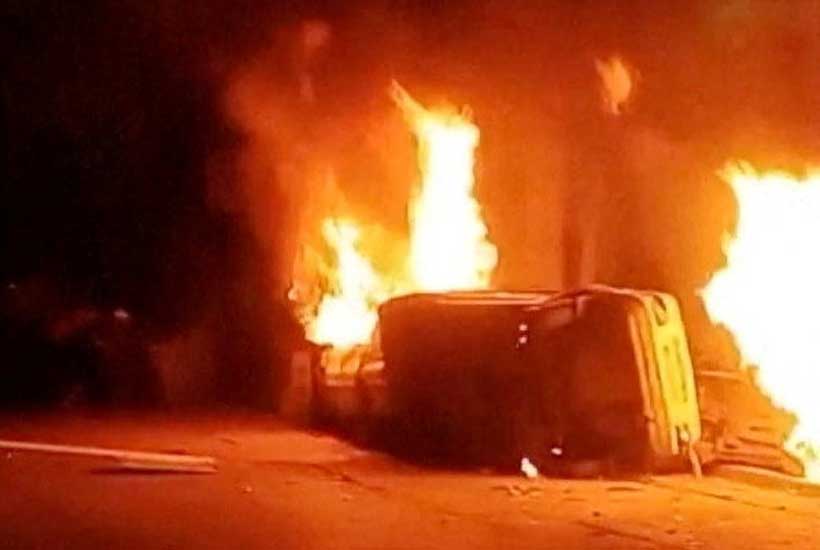
At least 16 people have died amid a week of unrest in Iran due to soaring inflation, with protests escalating into violent clashes between demonstrators and security forces. Rights groups and state media have reported conflicting figures on deaths and arrests, and Reuters has not independently verified these numbers. This wave of protests, the largest in three years, occurs at a fragile moment for the Islamic Republic as its economy deteriorates and international pressures increase.
U.S. President Donald Trump has hinted at potential support for protesters facing violence, stating, “we are locked and loaded and ready to go,” which elicited Iranian officials’ threats against U.S. forces. Supreme Leader Ayatollah Ali Khamenei asserted that Iran “will not yield to the enemy.” Reports indicate that Kurdish rights group Hengaw noted at least 17 fatalities while HRANA reported at least 16 deaths and 582 arrests. Iran’s police chief mentioned efforts to arrest protest leaders, claiming many had been detained.
Intense clashes have primarily been reported in western Iran, with protests occurring in Tehran and southern Baluchistan. The governor of Qom stated two individuals were killed there, one due to an explosive mishap. Protests originated with bazaar traders and shopkeepers, eventually transitioning to university students and provincial cities, where dissent against clerical rulers was vocalized. Iran faces inflation above 36% and its rial has lost nearly half its value against the dollar. The Iranian government struggles with international sanctions over its nuclear program, and authorities have attempted a dual strategy of acknowledging the economic crisis while responding to dissent with violence. Khamenei emphasized that while dialogue is possible, “rioters should be put in their place.”
With information from Reuters