Published on
January 4, 2026
By: Tuhin Sarkar
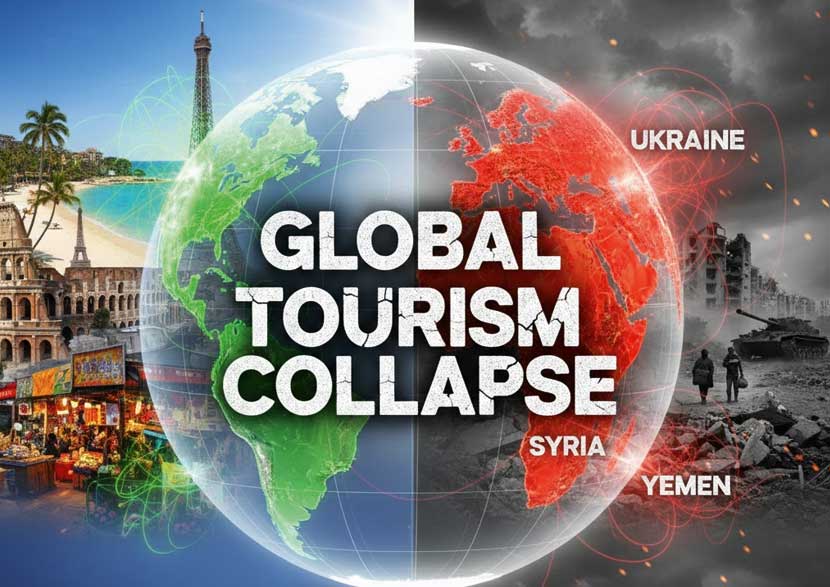
In 2026, Venezuela has joined the ranks of Yemen, Syria, Ukraine, Russia, and Israel as a rapidly escalating conflict zone that is wreaking havoc on the tourism sector. What was once a promising destination for travelers seeking untouched landscapes, rich culture, and history is now enveloped in unpredictable turmoil. This new wave of violence in Venezuela has sent shockwaves through the tourism industry, much like the devastating conflicts in Yemen, Syria, and Ukraine.
As Venezuela becomes increasingly unstable, its tourism sector is facing severe disruptions, with cancellations, rerouted flights, and closed tourist sites. The crisis in Venezuela has reached a boiling point, similar to Syria and Russia, where tourism has all but ceased due to escalating military conflicts. With governments around the world issuing Level 4 travel advisories, the tourism sector in Venezuela is suffering deeply.
This turmoil mirrors the unpredictable conditions seen in Ukraine and Israel, where tourism is now a distant memory in conflict zones. As Venezuela becomes a new unpredictable conflict zone, the global tourism landscape is facing another major blow. Keep reading to explore how this conflict is reshaping the world of travel.
Tourism in Crisis: Which Countries Are Being Transformed Into War Zones, Devastating Their Economies?
The Hidden Impact of War Zones on Global Tourism – How Conflict Is Destroying Travel Destinations
The world is witnessing an alarming rise in war zones that are wreaking havoc on not just the lives of civilians but also devastating the tourism industries of countries involved. The once-thriving tourism hotspots have been turned into dangerous and unpredictable territories as international visitors retreat, leaving economies shattered. The ripple effects are felt in airports, hotels, and local businesses. Conflict is more than just a human tragedy—it’s an economic catastrophe, shaking the very foundation of countries that depend on tourism. Countries that were once known for their serene landscapes, rich cultural heritage, and welcoming atmospheres now suffer from destroyed infrastructure, unsafe environments, and an inability to attract global tourists.
Venezuela: A New Flashpoint in Latin America
Venezuela, once a hub for travelers seeking untouched landscapes and cultural experiences, has turned into a conflict zone following U.S. military strikes and internal instability. The ongoing war-like conditions are expected to worsen, pushing tourism to the brink of collapse. This escalating violence has led to Level 4 – Do Not Travel advisories from multiple governments.
Taiwan Strait: Tensions Rising to New Heights
China’s increasing military activity in the Taiwan Strait is sparking fears of an all-out conflict. The military drills near Taiwan, often crossing previously accepted boundaries, are escalating tensions between the U.S. and China. This region is now considered one of the most dangerous for international travelers, with risks of major military clashes.
Yemen: The War-Torn Nation Where Tourism Was Once a Gem
Before the brutal conflict engulfed Yemen, this ancient land was a unique destination, with its stunning architecture and dramatic desert landscapes. Today, Yemen has descended into chaos. Yemen is now one of the most dangerous countries on earth, with the U.S. State Department classifying it under Level 4 – Do Not Travel. With ongoing fighting between Houthi rebels, the Saudi‑led coalition, and other factions, this once-hidden gem has seen its tourism industry obliterated. The war has led to a collapse in infrastructure, which means visitors will never experience the incredible history and scenery Yemen once offered. Hotels, heritage sites, and historical buildings are reduced to rubble, and the once-bustling streets have fallen silent.
The war has left millions of Yemenis in peril, and tourism, once contributing significantly to its economy, has come to a halt. Many airlines have stopped flights, and foreign businesses have pulled out, leaving Yemen in a perpetual state of economic limbo. The humanitarian disaster in Yemen underscores the heartbreaking reality that tourism cannot flourish in a country at war.
Syria: A Destination Transformed Into a War Zone, Shutting Its Doors to Tourists
Syria, known for its ancient cities like Aleppo, Palmyra, and the beautiful Mediterranean coast, has become a symbol of devastation. The Syrian civil war, which started in 2011, has wreaked havoc on the country, leaving it in ruins. What was once a bustling tourism hub is now a desolate land. Visitors who once roamed the streets of Damascus or visited ancient ruins now stay away as the country remains locked in conflict. Syria is currently classified under Level 4 – Do Not Travel by most foreign governments.
The impact on the tourism industry has been catastrophic. The destruction of historical sites, including UNESCO World Heritage sites, has not only led to cultural loss but has crippled the economy. Airlines have canceled flights, and countries around the world have issued strict warnings against traveling to Syria. With major airports destroyed and essential services no longer available, Syria remains a destination that tourists will avoid for years to come. The war has shown that tourism cannot thrive in areas filled with such deadly conflict.
Ukraine: Once a Flourishing Tourist Hub Now Engulfed by War
Ukraine was once a popular destination for travelers seeking rich culture, beautiful landscapes, and historic cities. But with Russia’s invasion in 2022, Ukraine has become a war zone. The impact on tourism has been catastrophic. From Kyiv to Odessa, airports have been destroyed, hotels emptied, and tourist attractions turned into danger zones. Most countries now have Level 4 advisories for Ukraine.
Tourism in Ukraine was thriving before the war, with Kyiv being recognized as one of Eastern Europe’s most vibrant cities. Now, travelers stay away in fear. The ongoing conflict has left the Ukrainian economy in ruins, and international tourism has come to a halt. Once a safe and affordable destination for Europeans, Ukraine’s economy has been crippled by war, causing massive job losses in the hospitality and travel sectors. Airports in Kyiv, Lviv, and other cities have been either severely damaged or closed, leaving international tourists stranded or rerouting their trips. The rise in missile strikes and the near-total breakdown of tourism infrastructure have destroyed what was once a thriving sector.
Afghanistan: A Once-Inviting Destination Now a Dangerous War Zone
Afghanistan, a country known for its mountainous beauty, ancient cities, and rich cultural heritage, has been devastated by conflict for decades. The Taliban’s rise to power has left the country in turmoil, with tourism being a major casualty. The U.S. State Department and other governments have issued strict Level 4 advisories, warning against travel to Afghanistan.
Once a popular destination for trekkers and history enthusiasts, Afghanistan now faces a massive decline in tourism. Major attractions, such as the Buddhist ruins of Bamiyan and the cities of Kabul and Herat, are now only memories of a peaceful time. The collapse of infrastructure, the escalation of violence, and the rise in extremism have made it impossible for tourists to visit the country. Afghanistan’s tourism industry is not expected to recover for many years, and this is a painful loss for a country rich in culture and history.
(Source)
Myanmar: Once Known for Its Tranquility, Now a War-Torn Nation
Myanmar, previously known for its serene beauty and tranquil landscapes, has fallen into conflict since the military coup in 2021. The country, once an emerging tourism destination in Southeast Asia, has been torn apart by internal conflict and violence. Visitors who once explored the cultural riches of Yangon, Bagan, and Mandalay are now forced to reconsider, as Myanmar has been marked as a dangerous and unstable destination.
The war has deeply affected tourism. International tourists, once eager to visit the temples of Bagan or the tranquil shores of Inle Lake, now stay away due to political instability and escalating violence. Many foreign businesses have left the country, and travel advisories caution against all but essential travel. Tourism, a vital part of Myanmar’s economy, has been decimated by the ongoing conflict.
Israel & Gaza: A Region in Conflict, Tourism Crumbles Under Fire
The ongoing conflict between Israel and Palestine has created an unstable environment in the region. While cities like Jerusalem, Tel Aviv, and the Dead Sea have been long‑time staples of Middle Eastern tourism, recent escalations have caused a decline in visits. Missiles, airstrikes, and other threats make the region unsafe for international travelers.
Israel’s tourism industry, once thriving due to its religious and cultural significance, has been shaken to its core. Government advisories warn against traveling to conflict zones, especially Gaza. With the risk of missile attacks, the tourism sector is reeling from the impact of these continuing hostilities. Flights to and from the region have been canceled, and tourism is in freefall.
Conclusion: How War Zones Are Redefining the Global Travel Industry
The devastating effects of war on tourism are undeniable. Countries that were once jewels of the global tourism industry have now been transformed into conflict zones, leaving tourists stranded and economies in tatters. From Yemen to Ukraine, Syria to Afghanistan, the rise of conflict has made once-popular destinations unsafe for travel. Tourism, a critical industry for many nations, faces an uncertain future as war and political instability continue to wreak havoc. Countries like Syria, Yemen, and Ukraine have become stark reminders of how devastating armed conflict can be for national economies and tourism markets.
As international governments continue to issue travel advisories and airlines adjust routes, the tourism industry must learn to adapt to this new reality. The hope for recovery lies in peace-building efforts and global solidarity, but the road ahead is long and filled with uncertainty.
