Published on
January 4, 2026
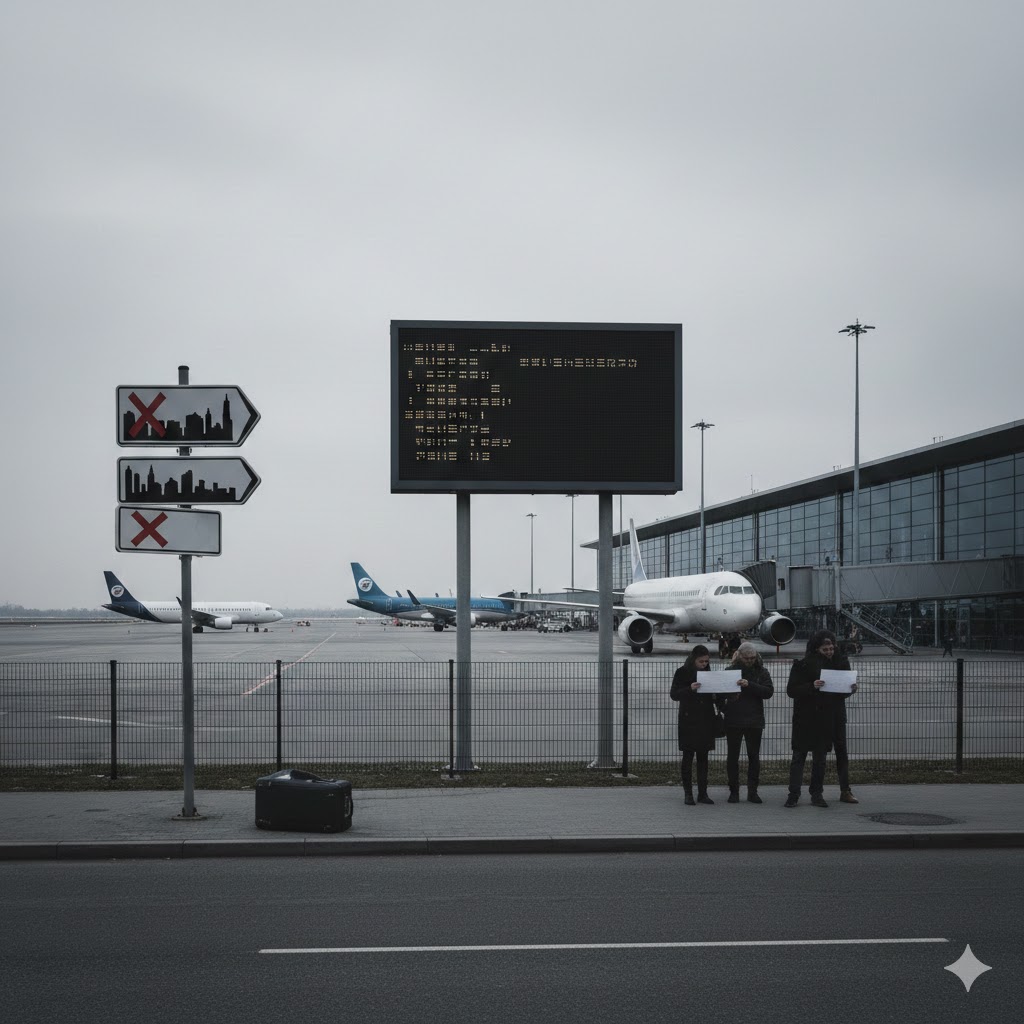
Berlin, Tenerife, and Strasbourg are losing their wings today. Many families are waking up to a very harsh reality. The affordable flights they once loved are vanishing. Ryanair has officially started a massive retreat from these iconic destinations. For millions of travelers, this is not just a corporate shift. It is the end of an era of easy exploration. It is the heartbreak of canceled reunions and lost summer dreams. The joy of a simple weekend away is becoming a luxury once again. Our maps are growing smaller, and our hearts are growing heavier as the sky becomes a little less accessible for the common person.
High Taxes Cripple German Tourism Growth
The German Federal Government has maintained high aviation tax rates into 2026. This fiscal policy is now hitting the tourism sector with full force. According to recent statements from the German Aviation Association (BDL), high costs are undermining the country’s connectivity. Ryanair is slashing 24 routes across the nation. This move removes nearly 800,000 seats from the German market. Berlin faces a massive reduction in flight options. Regional hubs like Dortmund and Leipzig see full exits.
Tourism experts warn that these taxes make regional travel far too expensive. Small businesses in these cities depend on foreign visitors. Fewer flights mean empty rooms in local hotels. This creates a very dark shadow over the 2026 holiday season. While the government has discussed tax relief for mid-2026, the damage to the current schedule is already done. The lack of budget options will likely deter price-sensitive tourists from visiting Germany’s historic Christmas markets and vibrant summer festivals.
Spanish Sunsets Fade for Budget Travelers
In Spain, a fierce battle over airport fees is hurting the industry. The state-owned operator Aena has implemented a 6.62% increase in airport charges. This is the largest increase in a decade. Ryanair responded by pulling nearly 2 million seats from the country. Beautiful holiday spots like Tenerife North, Vigo, and Jerez are on the hit list.
The Spanish Ministry of Transport highlights the need for infrastructure funds. However, travelers only see the rising price of their tickets. Coastal towns rely on the steady flow of budget tourists. Without these flights, many local shops face a very difficult year. Families may now choose other countries for their annual breaks. This shift could cost the Spanish economy millions in lost tourism euros. The regional airports in Spain are reportedly almost 70% empty on certain days, showing a massive underutilization of infrastructure that was built to welcome the world.
French Solidarity Tax Crushes Regional Access
France is also feeling the deep sting of these changes. The French government increased its “solidarity tax” on airline tickets by a staggering 180 percent. This makes flying to regional France nearly impossible for low-cost carriers. The French Civil Aviation Authority (DGAC) oversees these new tax declarations, which apply to all flights departing from French soil.
Airports in Brive, Bergerac, and Strasbourg are losing vital connections. These routes often bring nature lovers to the French countryside. Tourism experts worry about the survival of local guesthouses. When the planes stop landing, the local economy begins to wither away. The “polluter pays” principle is being cited by the French Senate, but the immediate result is a loss of accessibility for those who cannot afford premium carriers.
The Shift to Digital: A Barrier for Many
Adding to the travel complexity, the airline is moving to a digital-only boarding system. All passengers must now use the mobile app for their journeys. Paper boarding passes are being phased out entirely, with only a few exceptions like Morocco. While the airline claims this will save 300 tonnes of paper annually, it creates a “digital wall” for many.
Older travelers and those without high-end smartphones may find themselves stranded or facing high “manual” fees at the gate. Everything from check-in to flight updates now happens through a small phone screen. This adds another layer of stress to every single trip, turning a holiday into a technical hurdle for some.
Emerging Markets Benefit from Western Losses
While Western Europe suffers, other regions are seeing a surge. Ryanair is shifting its aircraft to more “competitive” markets. Italy, Albania, and Slovakia are seeing record growth. Countries like Italy have abolished certain regional taxes to lure the airline back.
New bases are opening in Tirana, Albania, and capacity is increasing by 70% in Bratislava, Slovakia. These countries are positioning themselves as the new “budget kings” of 2026. While this offers new adventures for some, it leaves those loyal to the traditional hubs of Germany and France without options.
Economic Fallout for Local Communities
The reduction in flight capacity has a “downstream” impact. It isn’t just about the airlines. It is about the taxi drivers, the museum guides, and the small restaurant owners. When 800,000 seats are removed from a market, millions of potential transactions disappear.
Travelers often respond to higher fares by reducing the frequency of their trips. Instead of three short breaks, they may only take one. This hurts the “weekend warrior” tourism model that many European cities have built their economies around. Without the volume of passengers provided by budget carriers, the entire tourism ecosystem begins to shrink.
A Bleak Future for European Holidays
This news is a heavy blow to the heart of European travel. We are seeing the end of easy trips between neighbors. The vibrant streets of Berlin, Tenerife, and Strasbourg will feel quieter and lonelier soon. We must cherish the memories of our past adventures because the path to new ones is becoming steeper. The simple pleasure of visiting a friend abroad or seeing a sunset in a foreign land is now a costly challenge. Our world feels a little smaller and more distant today. Let us hope for a future where travel is for everyone again. We deserve to explore our beautiful continent without such a heavy burden on our wallets and our spirits. The sky should be a bridge, not a barrier, for every soul who wishes to see what lies beyond the horizon.
