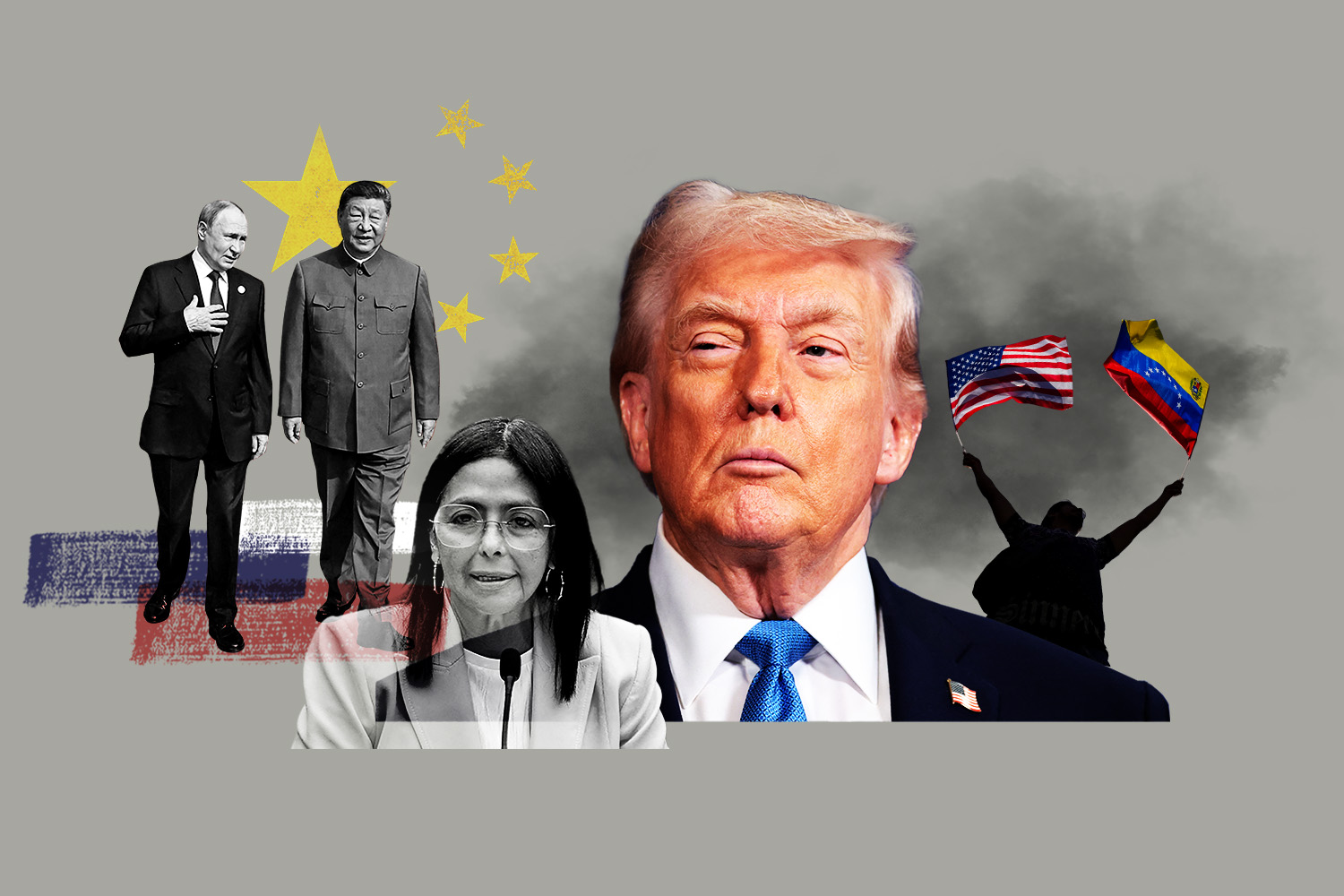
President Maduro’s abduction puts a question mark over his country’s oil reserves, our columnist writes. It also suggests a return to US realpolitik that will make leaders from Iran to Denmark nervous
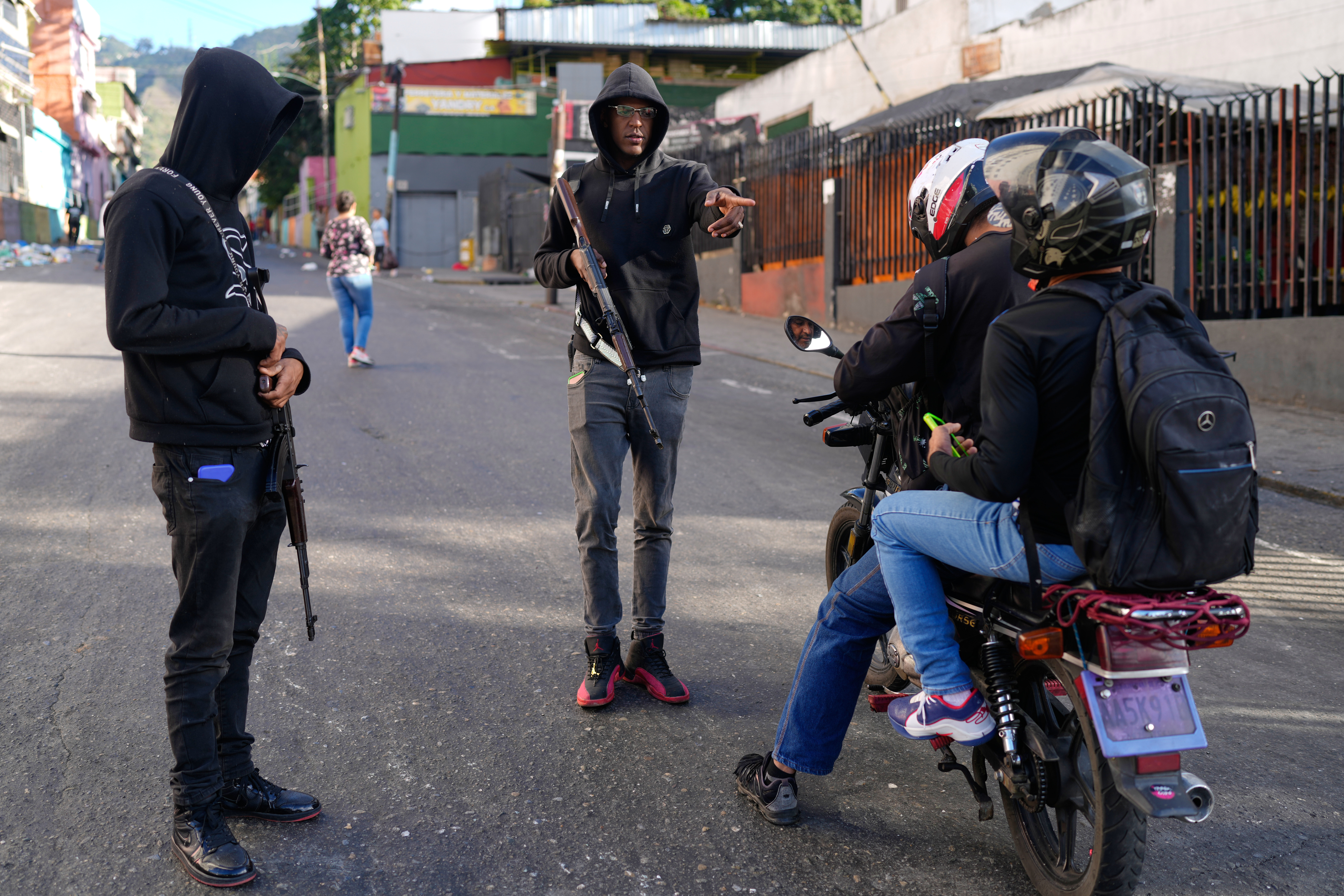
Armed pro-government civilians stop motorcyclists in Caracas on Sunday
ARIANA CUBILLOS/AP
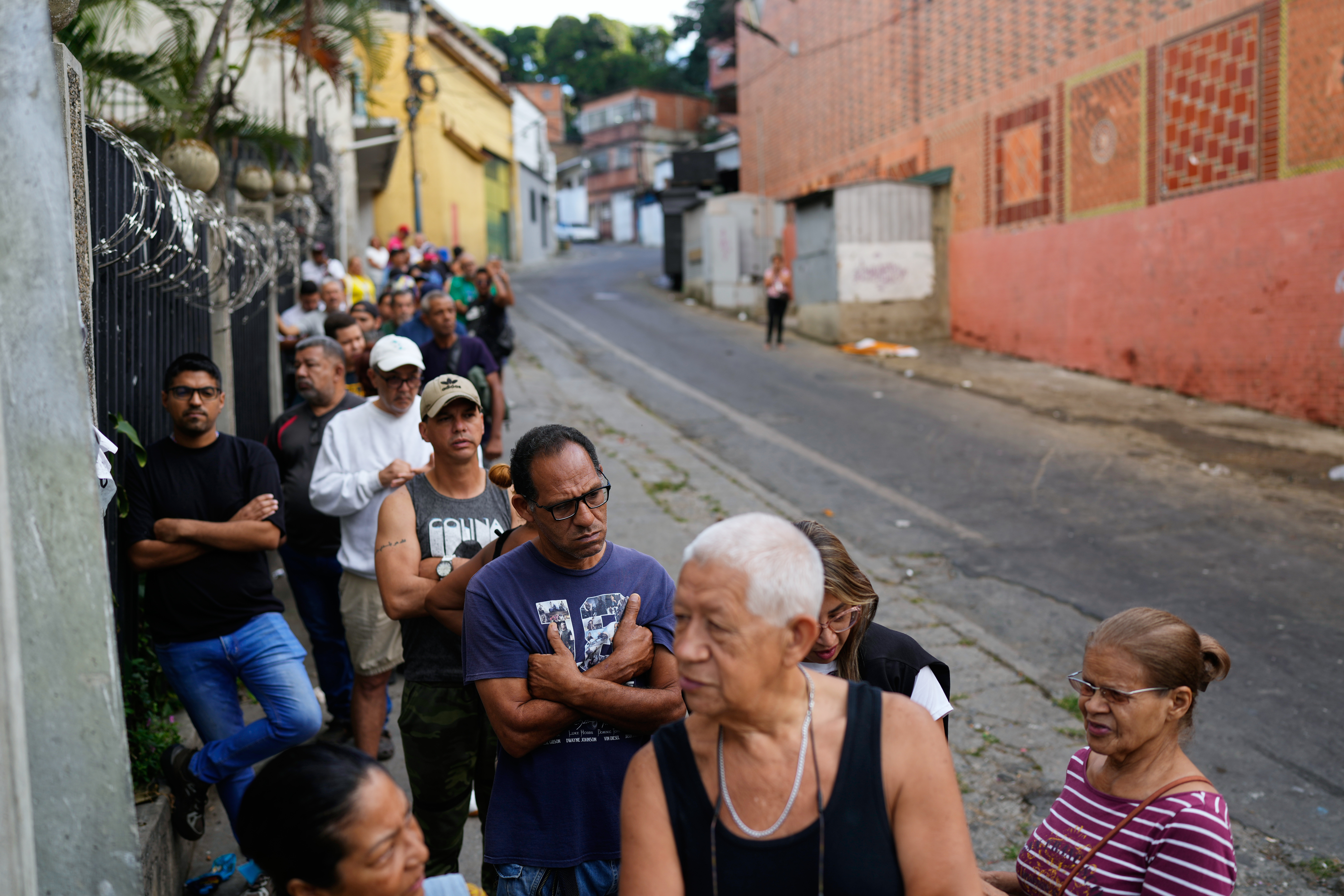
Shoppers line up at a supermarket
ARIANA CUBILLOS/AP
Rubio said that discussions about Venezuela holding elections were “premature”, adding: “What we are focused on right now is all of the problems we had when Maduro was there. We still have those problems in terms of them needing to be addressed. We are going to give people an opportunity to address those challenges and those problems.”
The last presidential election was held in July 2024. International monitors described it as rigged and observers said Maduro had lost to the former diplomat Edmundo González.
By Stephen Gibbs, Venezuela
Trump said “many Cubans” died in the US attacks on Venezuela. “They were protecting Maduro. That was not a good move,” he told the New York Post. Cuba has long been understood to have helped to provide Maduro’s security.
Sources in Havana have indicated to The Times the number of Cubans that died on Saturday may be more than 20. The Cuban government has not confirmed that any of its citizens were killed. On Saturday Miguel Díaz-Canel, the president, said: “The aggression today was against Venezuela, but tomorrow it could be against Cuba, Nicaragua, or any country with resources.”
General Vladimir Padrino López, the Venezuelan defence minister, said in a televised statement that a large part of Maduro’s security team were killed. He did not disclose the number of casualties. He added that he backed the declaration of Delcy Rodríguez as interim president and said the armed forces had been activated nationwide to guarantee sovereignty.
Chuck Schumer, the Democratic leader in the US Senate, called Maduro “a horrible, horrible person” but questioned the legality of the American operation.
“You don’t treat lawlessness with other lawlessness. And that’s what’s happened,” he said. “We have learned through the years that, when America tries to regime change and nation-building in this way, the American people pay the price in both blood and results.”
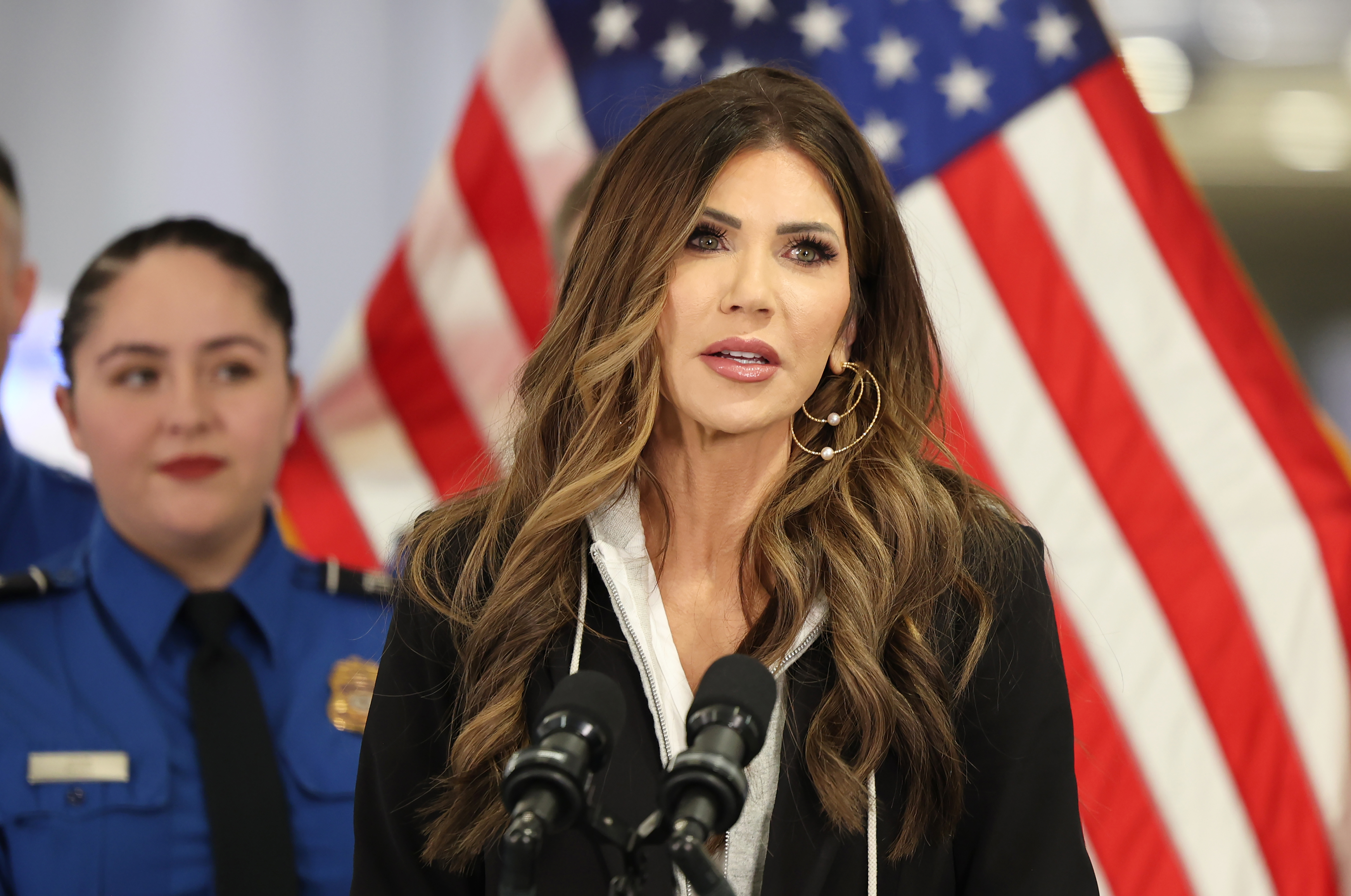
Kristi Noem
RONDA CHURCHILL/AP
Trump has given “very matter-of-fact and very clear” instructions to Delcy Rodríguez, the interim Venezuelan leader, his homeland security secretary has said.
Kristi Noem told Fox News that Trump had told Rodríguez: “You can lead or you can get out of the way, because we’re not going to allow you to continue to subvert American influence and our need to have a free country like Venezuela to work with, rather than to have dictators in place who perpetuate crimes and drug trafficking.”
She added that the US wanted a leader in Venezuela who would be “a partner that understands that we’re going to protect America” when it came to stopping drug trafficking and “terrorists from coming into our country … We’re looking for a leader that will stand up beside us and embrace those freedoms and liberties for the Venezuelan people but also ensure that they’re not perpetuating crimes around the globe like they’ve had in the past.”
Dmitry Medvedev, deputy chairman of Russia’s security council, has said the US actions in Venezuela were unlawful but explicable.
“It must be acknowledged that, despite the obvious unlawfulness of Trump’s behaviour, one cannot deny a certain consistency in his actions. He and his team defend their country’s national interests quite harshly,” he told the Tass news agency.
Medvedev, who was president of Russia in 2008-12 and prime minister in 2012-20, said Latin America was considered the “back yard” of the United States and Trump appeared to want control over the oil supplies of Venezuela. “Uncle Sam’s main motivation has always been simple: other people’s supplies,” Medvedev said, adding that if such actions had been taken against a stronger country then they would be considered an act of war.
Opec+, the cartel of international oil producers, kept output unchanged on Sunday.
Eight members that together pump about half the world’s oil — Saudi Arabia, Russia, the UAE, Kazakhstan, Kuwait, Iraq, Algeria and Oman — met on Sunday to confirm a pause on output rises agreed in November.
Oil prices fell more than 18 per cent in 2025. “Right now, oil markets are being driven less by supply-demand fundamentals and more by political uncertainty,” said Jorge Leon, head of geopolitical analysis at Rystad Energy and a former Opec official. “And Opec+ is clearly prioritising stability over action.”
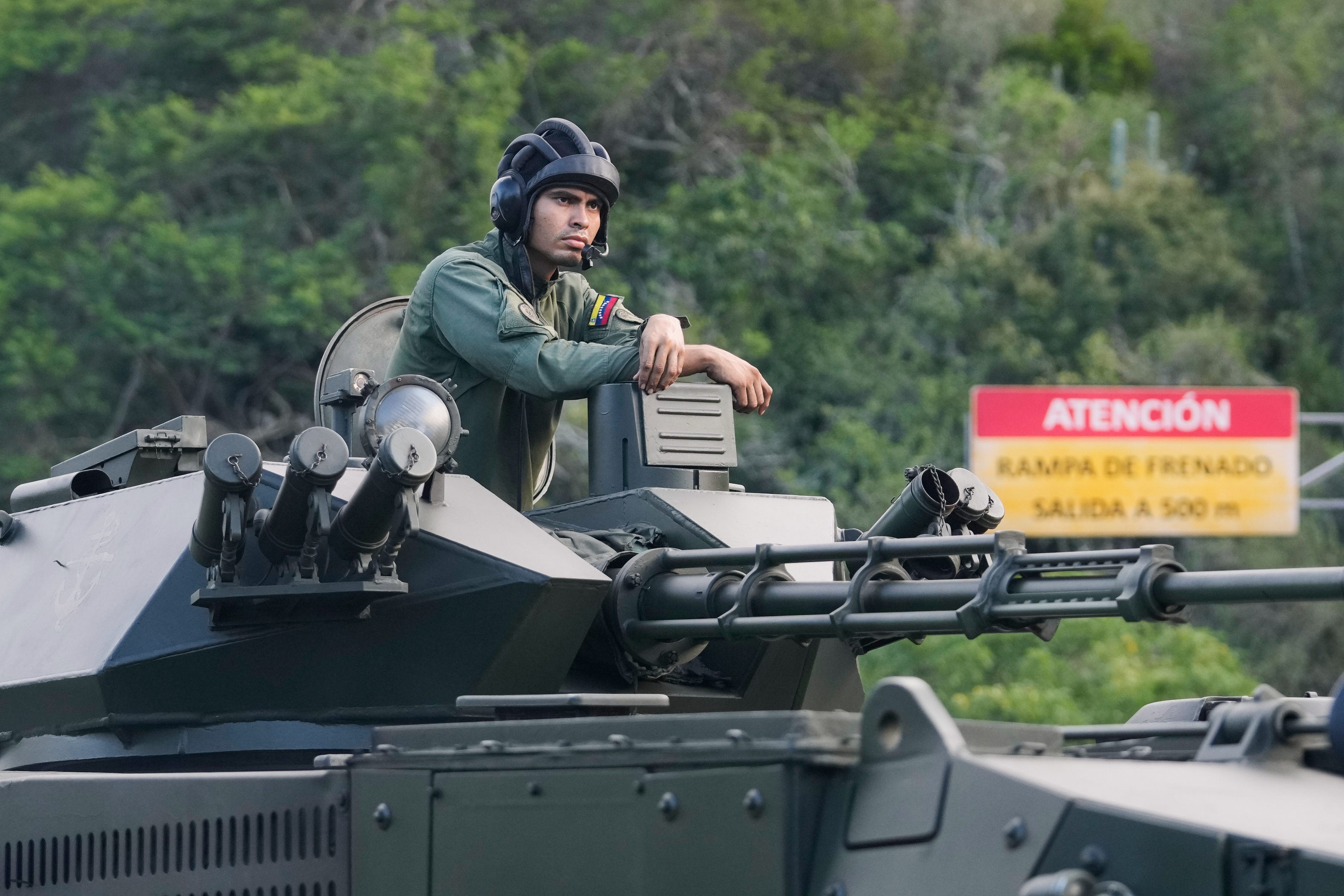
A soldier in an armoured vehicle rolling into Caracas on Sunday
MATIAS DELACROIX/AP
Caracas is unusually quiet today, the Associated Press has reported. Few vehicles are on the roads of the Venezuelan capital and shops, petrol stations and other businesses are mostly closed. Big queues formed at such establishments yesterday as uncertain Venezuelans stocked up on goods.
Armed civilians as well as troops are keeping guard outside the Miraflores presidential palace.
In a low-income neighbourhood in the east of the city, Daniel Medalla, a construction worker, sat outside a church to tell parishioners there would be no Mass. He speculated that the streets were empty not because people were worried about another strike but out of fear of government repression if they dared to celebrate Maduro’s exit. “We were longing for it,” Medalla, 66, said.
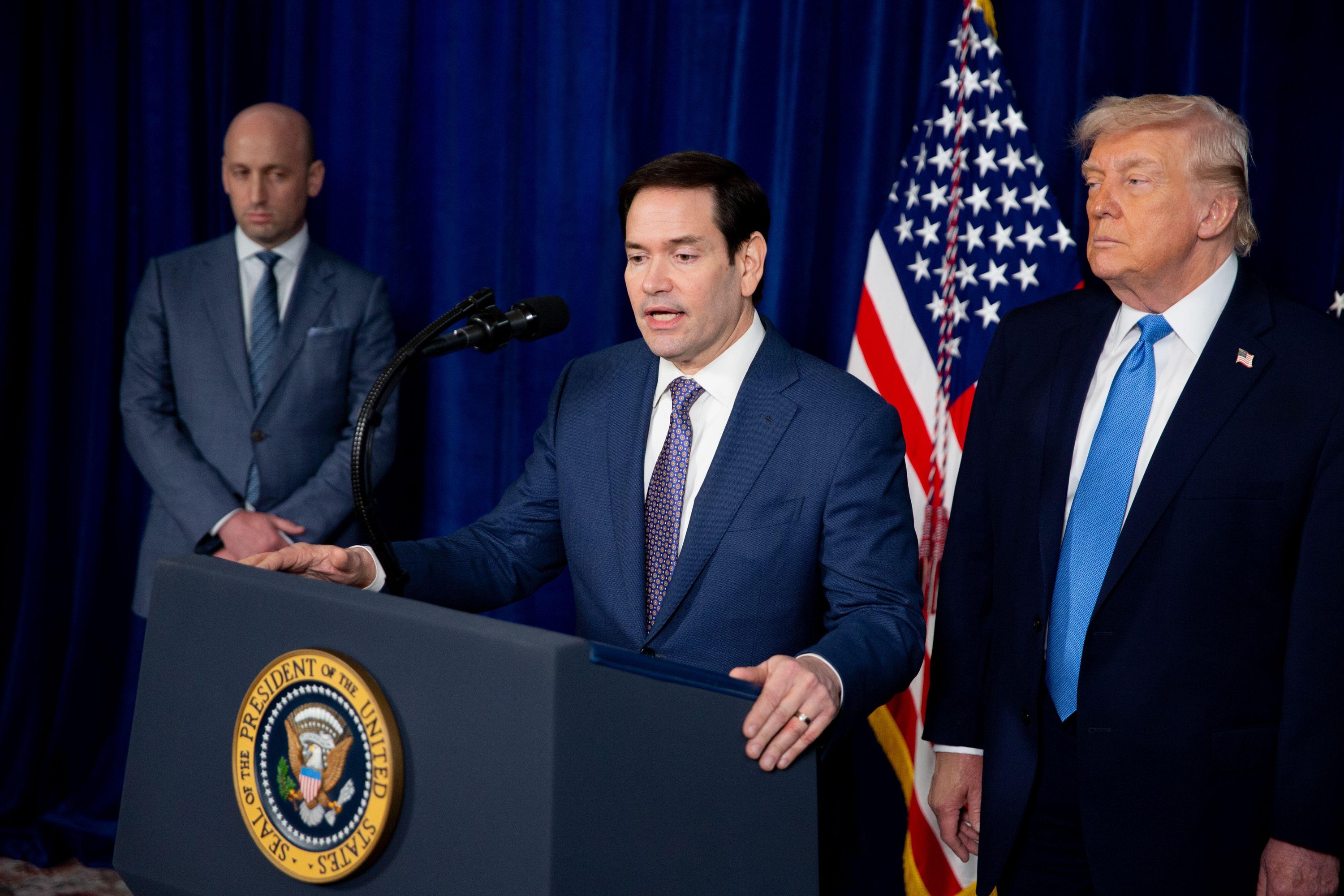
Marco Rubio spoke at the press conference yesterday
ALAMY
America is at war with drug cartels but not with Venezuela, Marco Rubio has said. The US secretary of state told NBC News on Sunday that his country was “enforcing American laws with regards to oil sanctions … We have sanctioned entities. We go to court, we get a warrant, we seize those boats with oil and that will continue.”
He said there were no American troops on the ground in Venezuela, and told CBS News that the US was ready to work with its remaining leaders if they made “the right decision”. If they did not, he said, the US could use “multiple levers of leverage”.
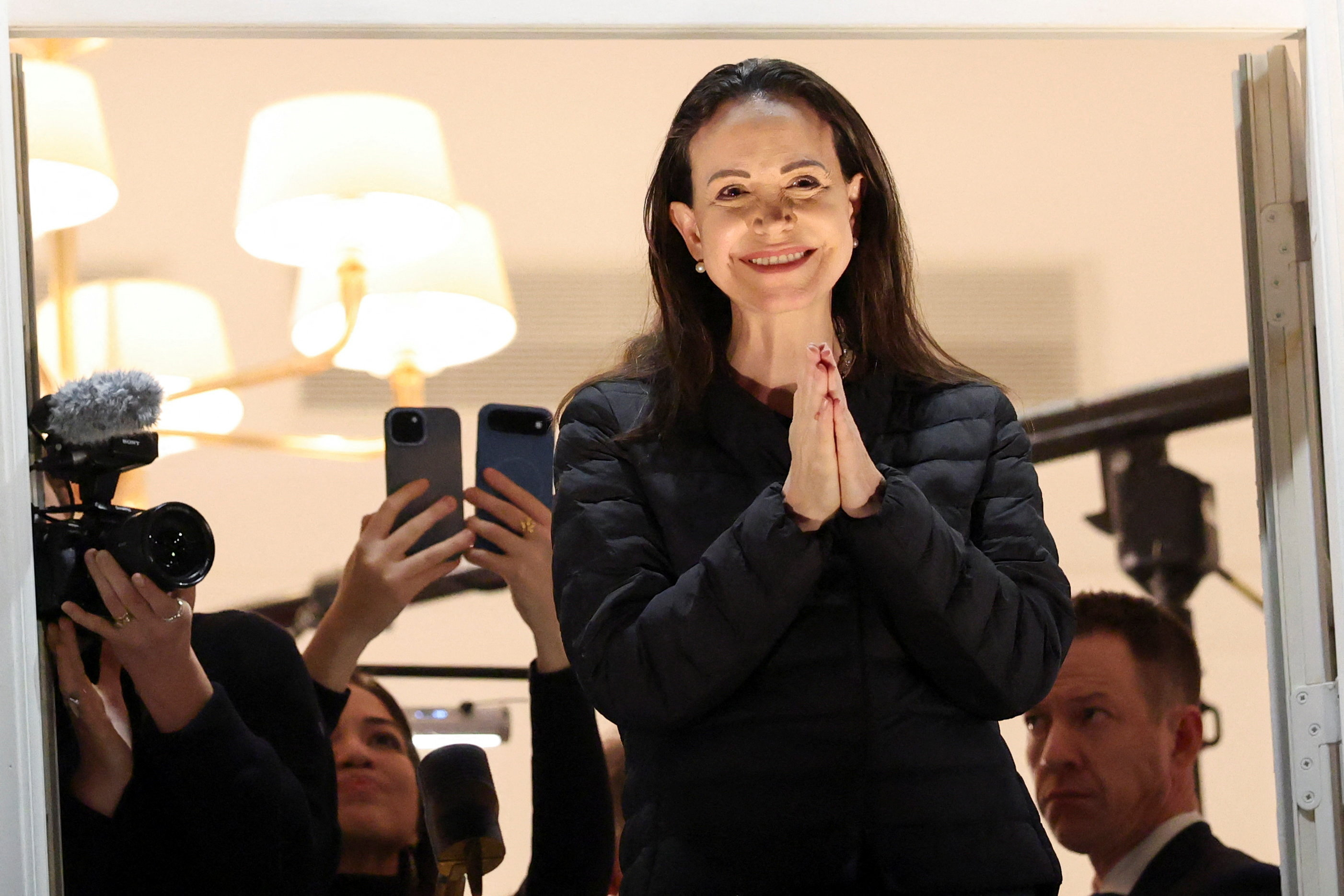
Machado accepted the Nobel peace prize last month
LEONHARD FOEGER/REUTERS
María Corina Machado, the international figurehead of the Venezuelan opposition who collected the Nobel peace prize last month, has been reduced to a peripheral role.
Trump appeared to dismiss the prospect of involving Machado, 58, in the political transition, describing her as a “very nice woman” but saying it would be “tough” for her to lead the nation because she did not have enough “respect” or “support” in the country.
Her whereabouts are obscure. On December 10 she went secretly to Oslo to collect her prize in person, before leaving Norway for medical treatment at an undisclosed location.
She has released an open letter welcoming the “time of freedom” and said the US government had fulfilled its “promise to enforce the law” against Maduro. It adds that Machado’s ally Edmundo González, a former diplomat who is widely believed to have defeated Maduro in an election in July 2024, should “immediately assume his constitutional mandate” as president.
• Read more: The Sunday Times interviews Machado in October
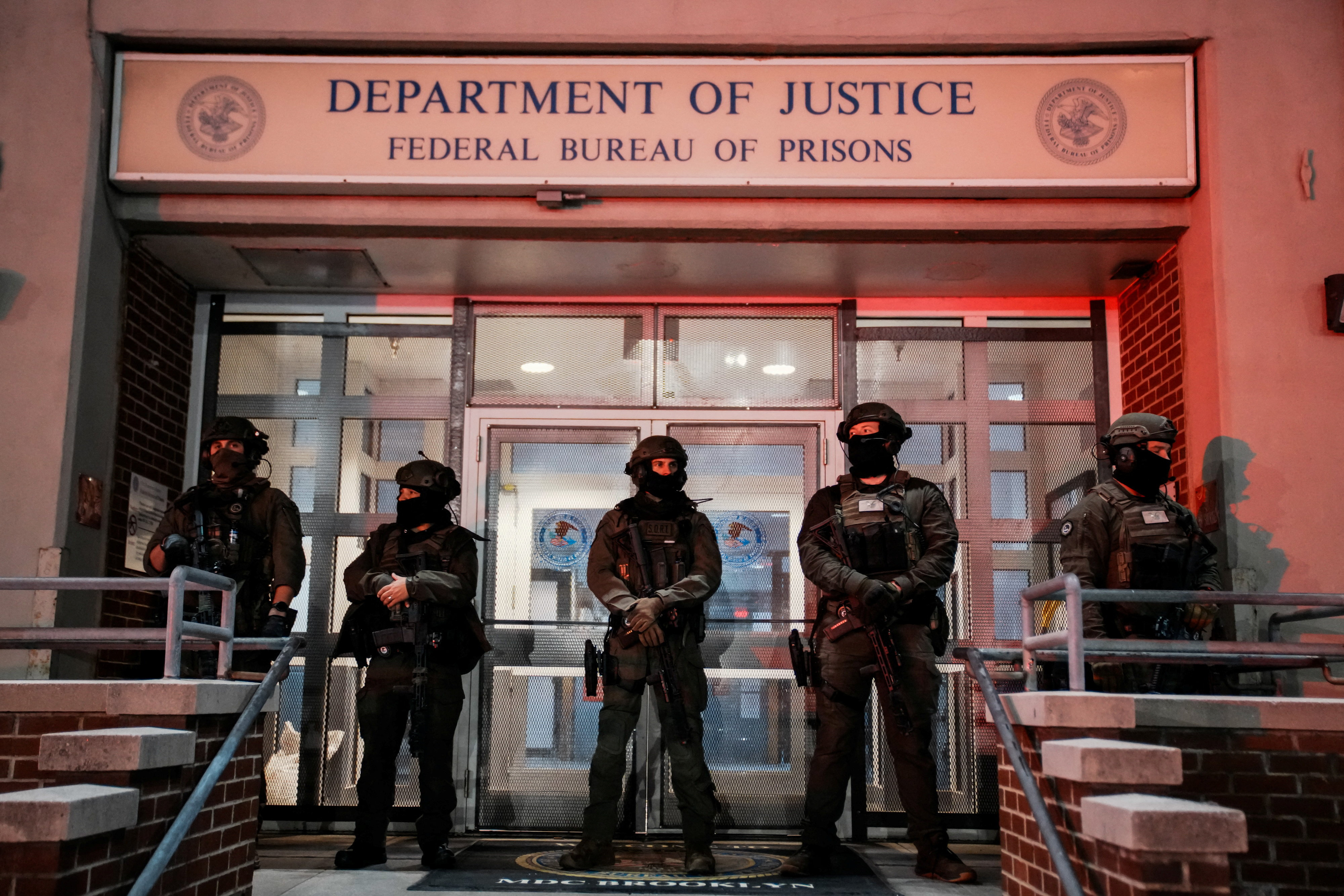
Armed guards have been positioned outside the Metropolitan Detention Center
EDUARDO MUNOZ/REUTERS
Maduro is being held at the Metropolitan Detention Center in Brooklyn, New York.
It has housed notorious inmates in recent years, including Ghislaine Maxwell, the Jeffrey Epstein accomplice; the singer R Kelly, who is serving more than 30 years for child sexual abuse and kidnapping; Luigi Mangione, who is accused of killing the health insurance chief executive Brian Thompson; and the rapper Sean “Diddy” Combs, convicted last year of transportation to engage in prostitution.
It is also where Juan Orlando Hernández, the former president of Honduras, was initially held on drug trafficking charges. He was sentenced to 45 years in jail in 2024 but pardoned by Trump last year.
Maduro is charged with narco-terrorism conspiracy, cocaine importation conspiracy, possession of machine guns and destructive devices, and conspiracy to possess machine guns and destructive devices. His wife, Cilia Flores, is also charged with allegedly participating in the conspiracy.
The Spanish prime minister has condemned what he calls a violation of international law.
Pedro Sánchez’s comments in a letter to members of his Socialist Party go further than previous remarks in which he said he would not recognise the intervention. The letter describes the “violation of international law in Venezuela, an act that we strongly condemn”.
Spain is home to about 700,000 Venezuelans, the largest such population outside Latin America and the US. Hundreds of protesters demonstrated at the US embassy in Madrid on Sunday.
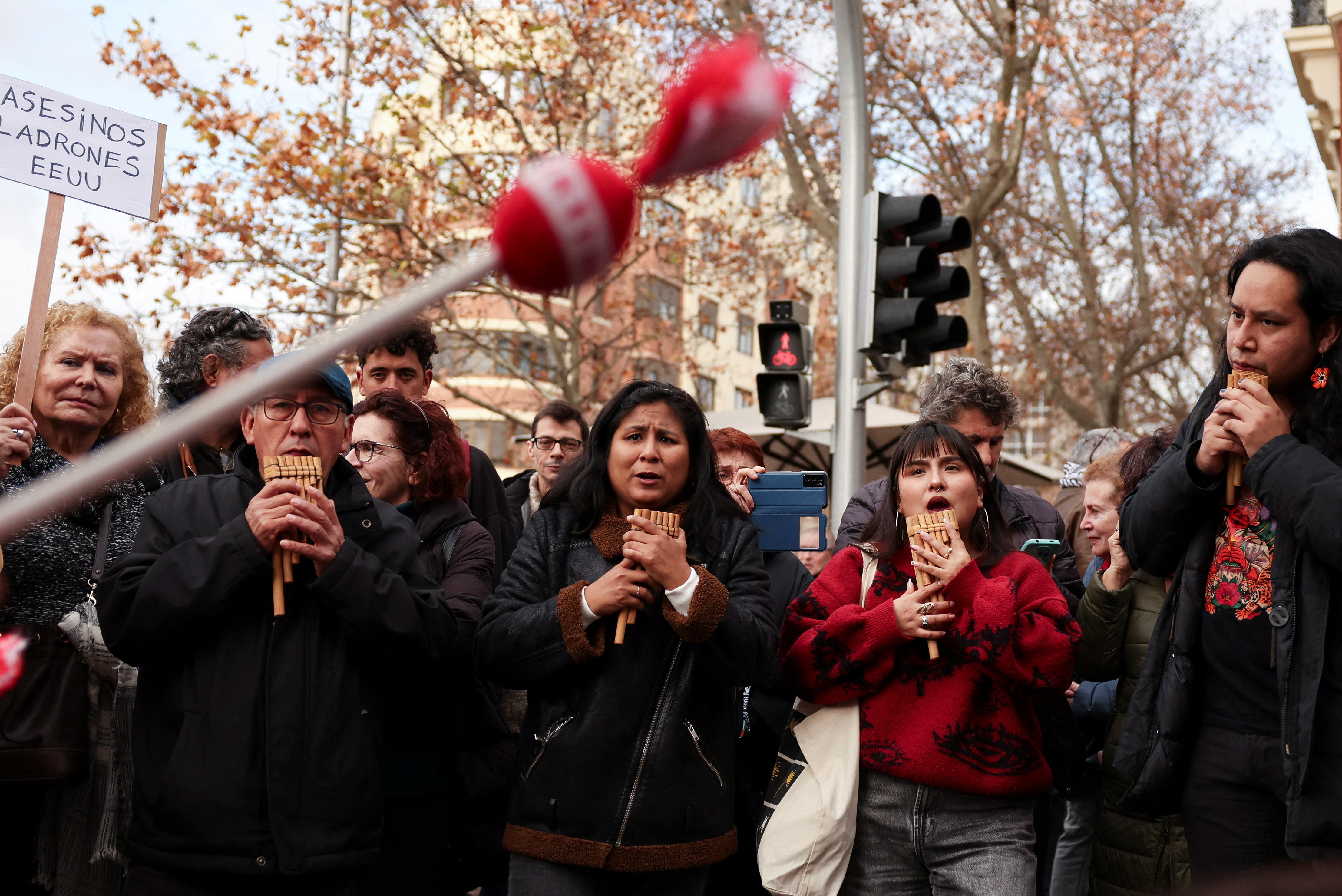
Anti-American protesters at the Madrid embassy
VIOLETA SANTOS MOURA/REUTERS
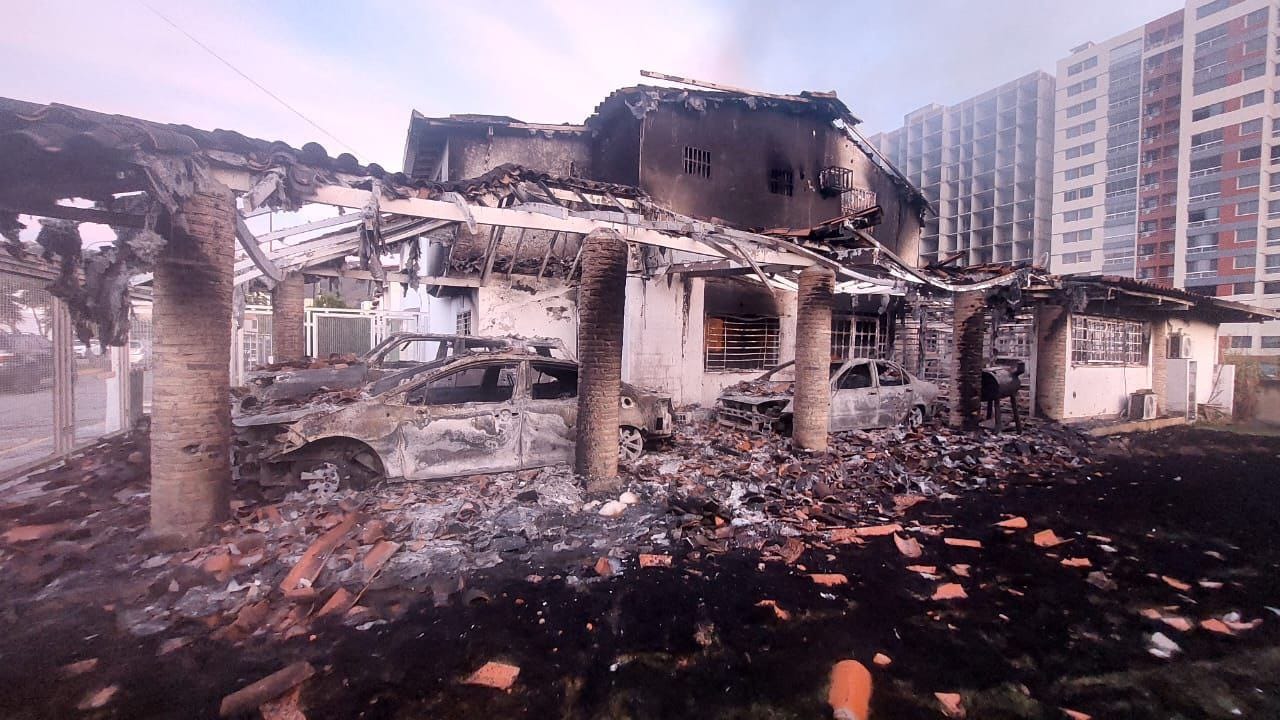
Damage at the Fuerte Tiuna military base
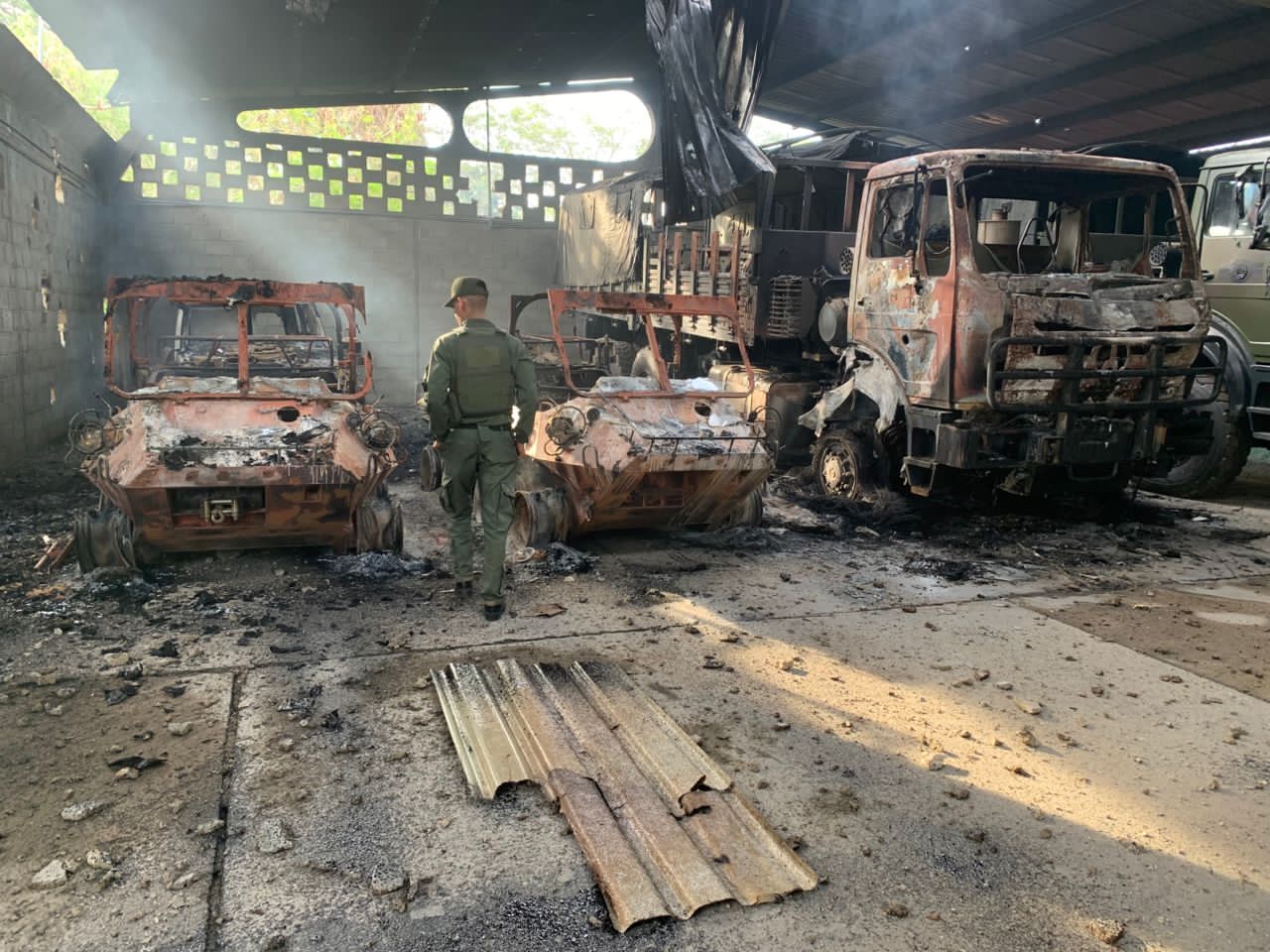
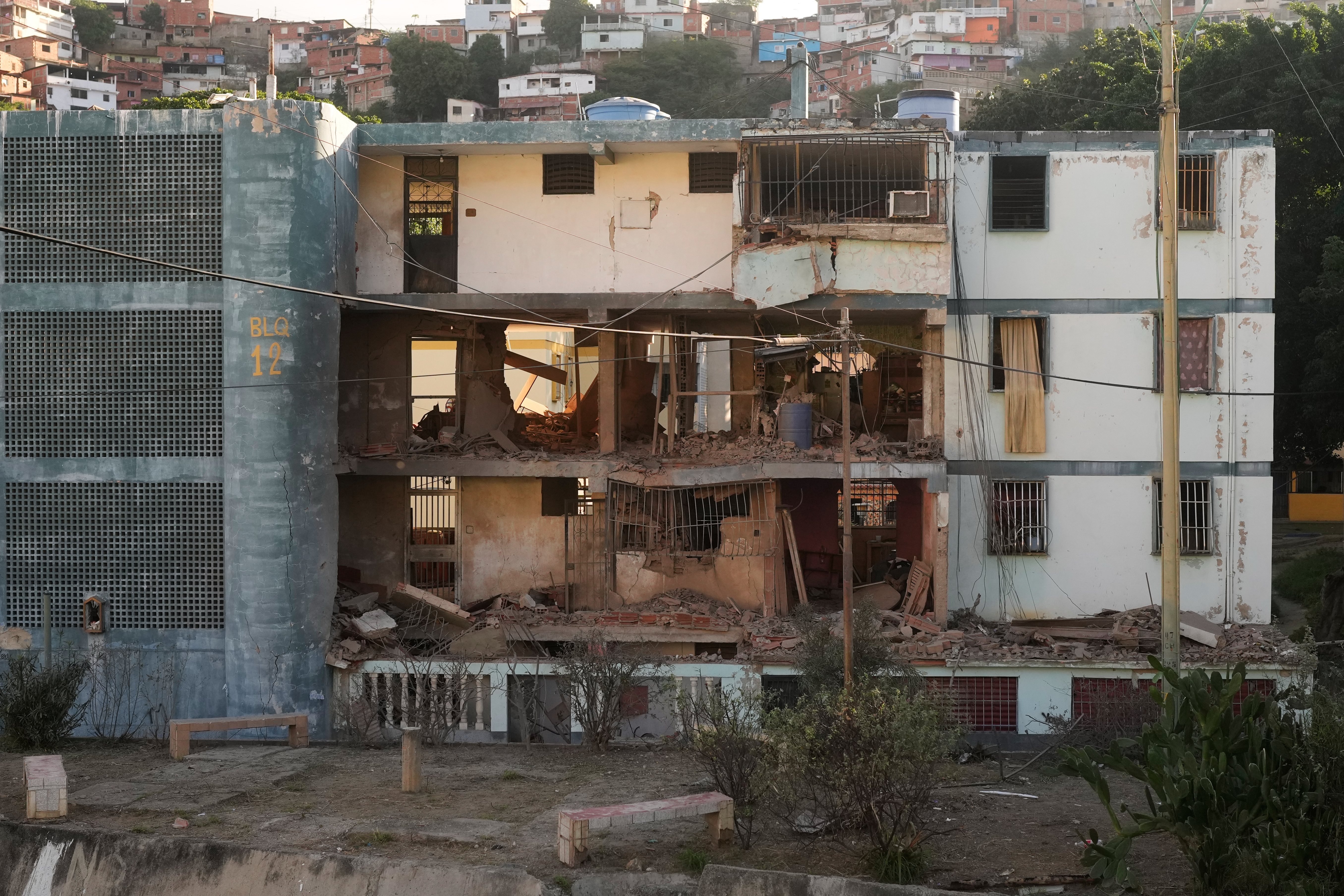
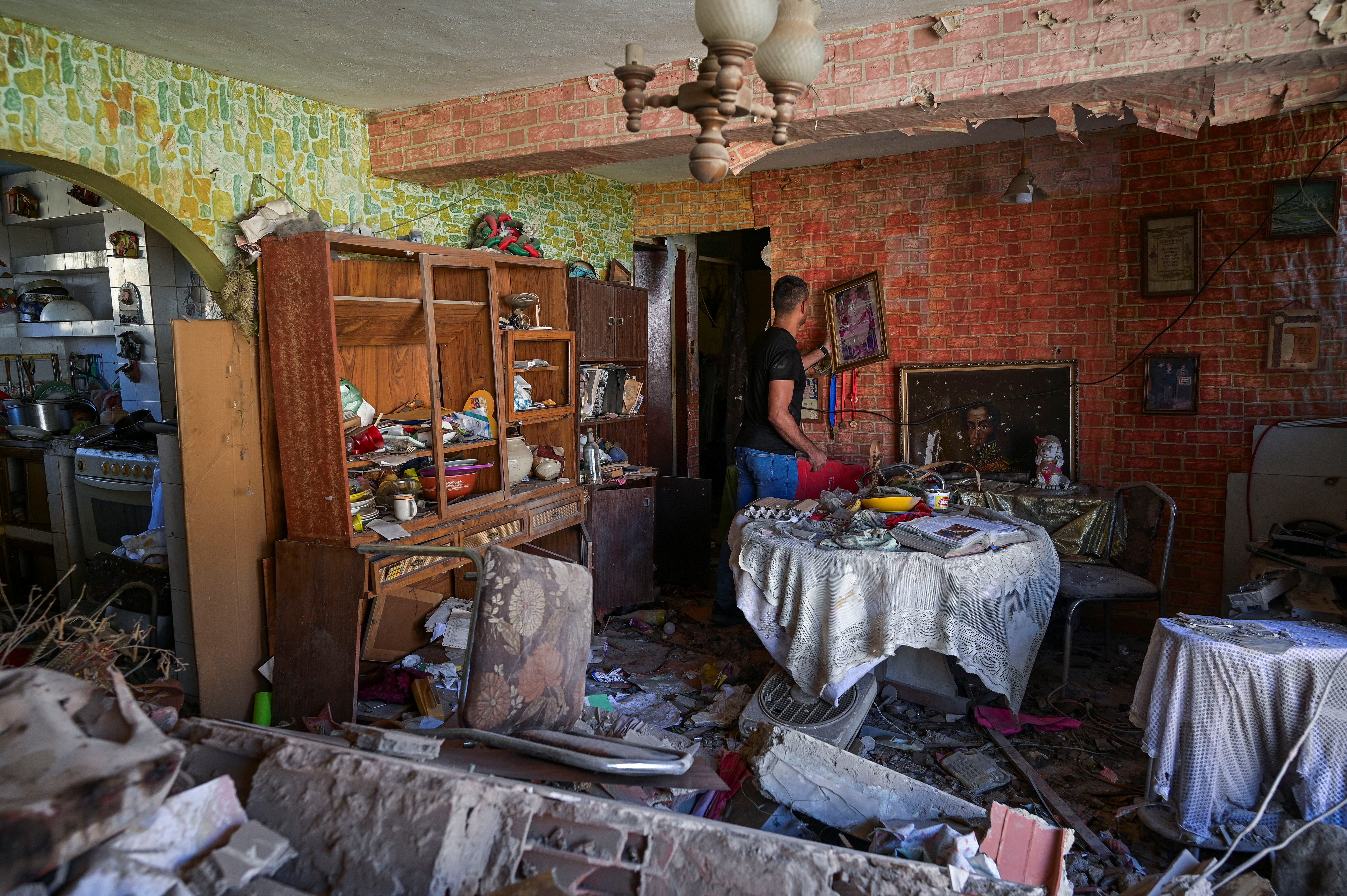
A damaged apartment complex in Catia La Mar, about 20 miles northwest of central Caracas
MATIAS DELACROIX/AP


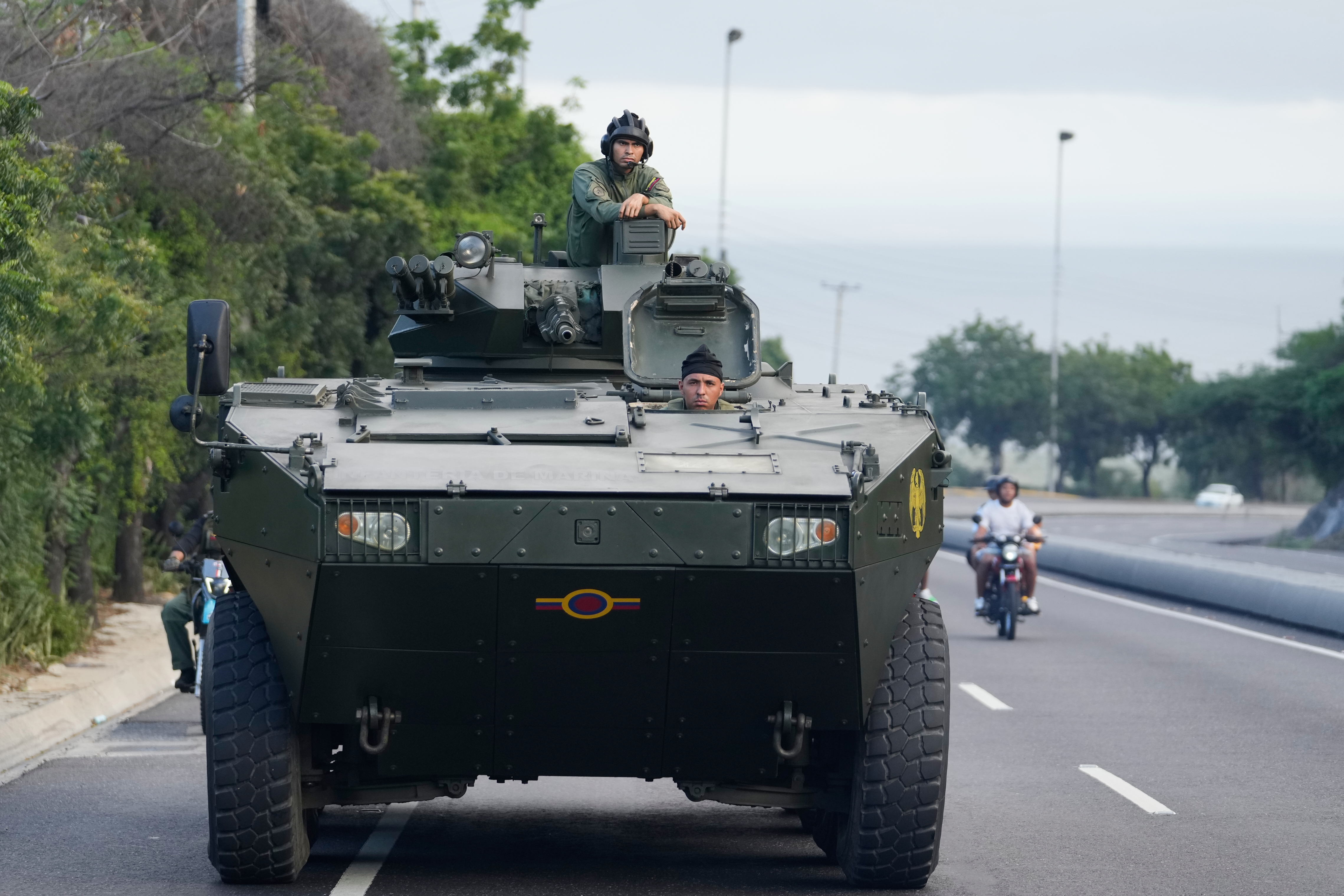
An armoured vehicle heads to Caracas on Sunday
MATIAS DELCROIX/AP
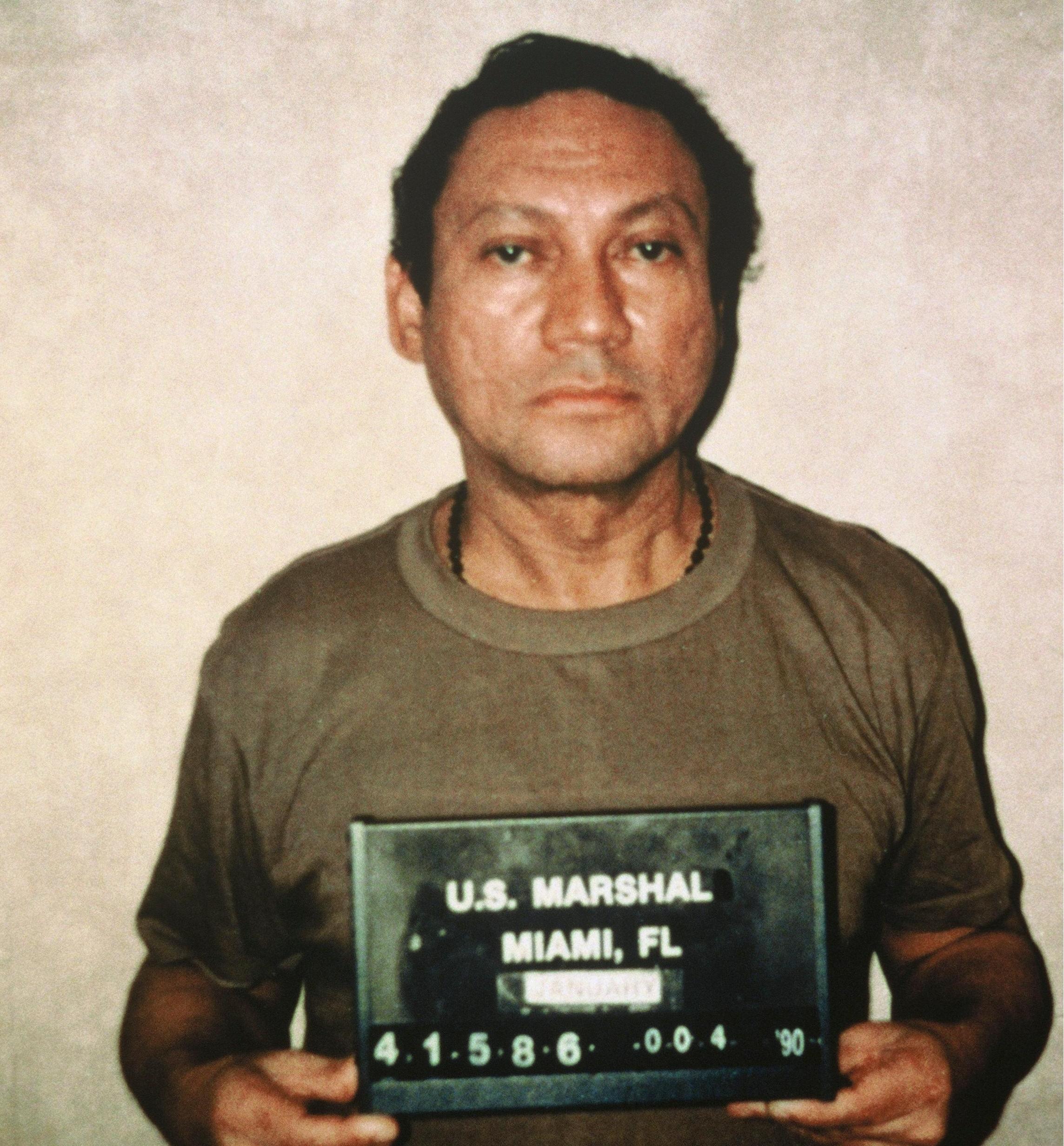
Manuel Antonio Noriega
REX FEATURES
The seizure of Maduro was 36 years to the day since the capture of the Panama leader Manuel Antonio Noriega.
Noriega surrendered to American forces on January 3, 1990, after he took sanctuary in the Vatican embassy. In echoes of this weekend, the US launched its intervention after attempts at negotiation failed to force Noriega out of power.
He was taken to the US and sentenced to 40 years in prison for drug smuggling and money laundering, among other offences. After extradition to France in 2010 he was taken back to Panama, where again he was imprisoned. He died in 2017, aged 83.
While Trump has used force without elaborately argued legal justification or congressional approval, there are plenty of precedents for US intervention in its Latin American “back yard”: Ronald Reagan invaded Grenada in 1983 and George Bush deposed the Panamanian strongman Manuel Noriega in 1989.
By comparison, the Venezuelan operation — in terms of actual troops in country — could be categorised as “regime change lite”. But if there is large-scale lawlessness in Venezuela the US decision to go for the smallest possible footprint could leave them looking powerless.
• Read in full: American history shows the dangers of venturing into its ‘back yard’
Israel supports the “strong action” in Venezuela, Binyamin Netanyahu has said.
“Regarding Venezuela, I wish to express the support of the entire government for the resolute decision and strong action of the United States to restore freedom and justice to that region of the world,” the prime minister told his cabinet at a meeting on Sunday.
Trump has claimed that US oil companies will move back into Venezuela and refurbish degraded infrastructure.
Experts suggest that Venezuela, a founding member of Opec, holds some 17 per cent of global oil reserves, the world’s largest. Due to US sanctions it produces about a million barrels a day. Previously America was the biggest customer but now the main destination is China.
Its reserves are made up mostly of heavy oil, needed by America, which produces light crude. Experts have said that modernising the Venezuelan oil industry and its infrastructure could take decades.
Chevron is the only big US oil company currently operating in Venezuela.
• Read in full: Why oil is at the heart of Trump’s promises in Venezuela
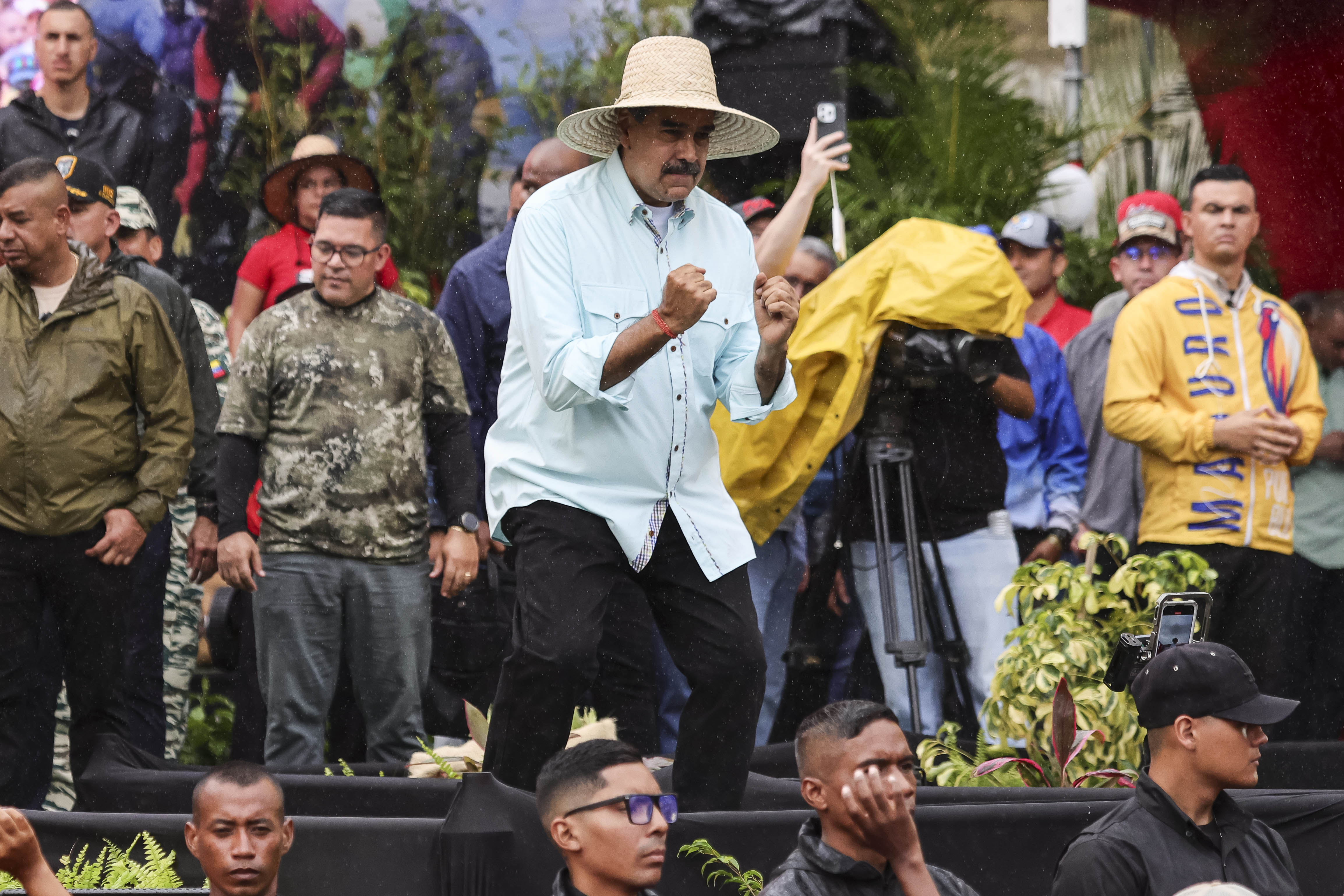
Maduro dancing on December 10, less than a month before his capture
JESUS VARGAS/GETTY IMAGES
As American military forces assembled off his coast in December and the White House threatened to overthrow him, Nicolás Maduro put on a remarkable show of insouciance.
The Venezuelan president was seen dancing on stage with supporters and attending Christmas tree lightings. “Don’t worry, be happy,” the 63-year-old leftist sang at one event, wearing a sombrero and flashing a peace sign. “They’ll never be able to remove us from the path to revolution,” he yelled at another gathering. “Victory forever!”
His seizure on Saturday morning appears to have proved him wrong,
• Read in full: Has Trump written Maduro’s political obituary?
The White House will need to elaborate on its legal justifications beyond “top-line words” from Trump, a British minister has said.
The UK government has declined to comment in detail on the legal status of the US intervention in Venezuela. Darren Jones, chief secretary to the prime minister, told Times Radio: “I’m not justifying anything one way or another and I’m not also making a judgement of the application of international law.
“We have to wait to see the explanation of the legal basis for the intervention in the same way that everyone else does and I’m assuming that will take place at the UN security council meeting later this week.”

The US attacked in the early hours of Saturday
Venezuelan officials claimed that at least 40 people, including military personnel and civilians, were killed in the US incursion on Saturday, according to The New York Times.
This has not been confirmed publicly by the US or Venezuela. Trump said on Saturday that no US troops had been killed, although he suggested some were injured.
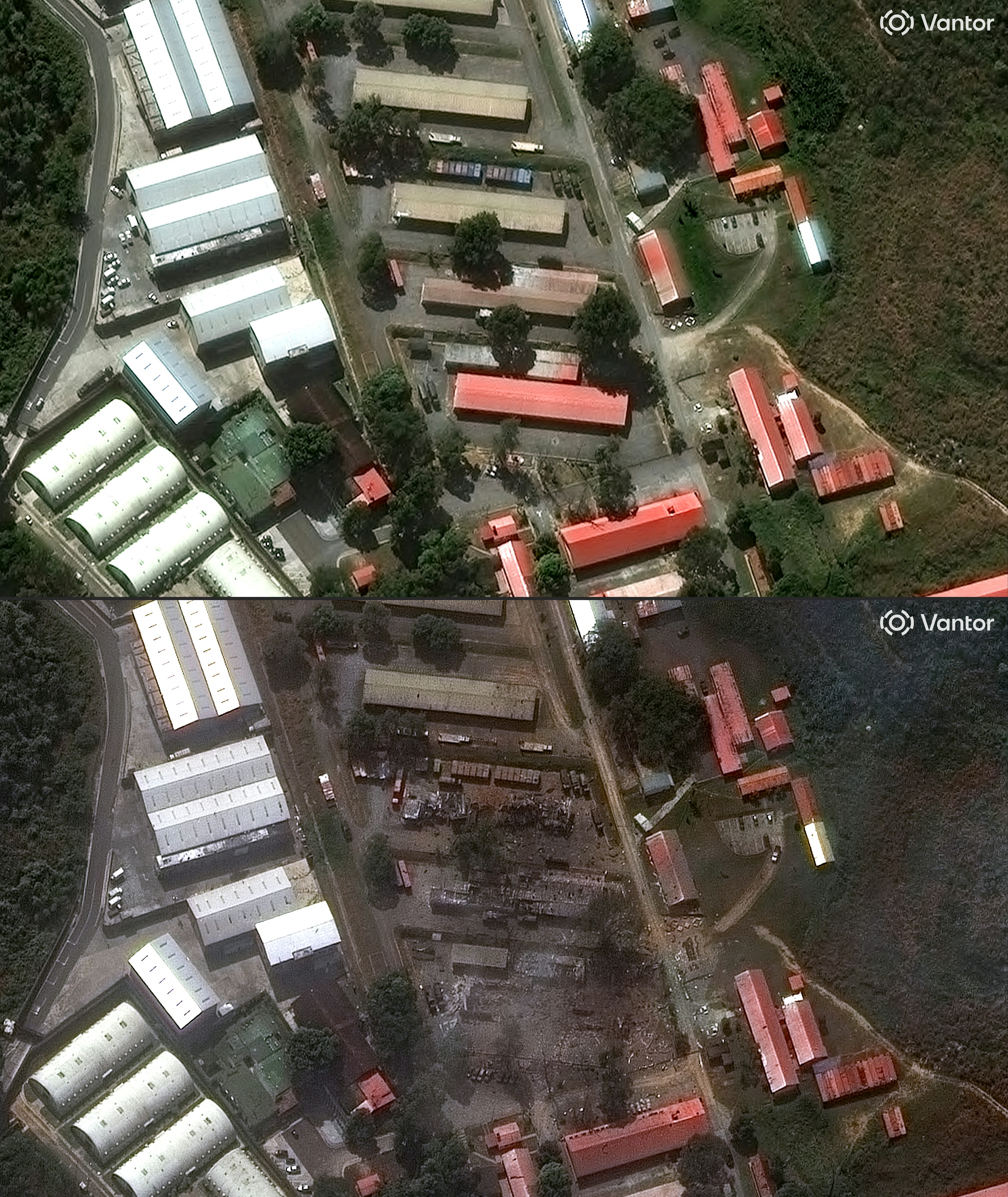
Pictures shared with US news outlets showed the aftermath of the US attack on Fuerte Tiuna, a military facility in Caracas. Aerial shots show how the complex looked before and after the strikes.
Senior US officials have said Delcy Rodríguez, the Venezuelan vice-president appointed interim leader, is somebody they “can work with”.
A report in the New York Times said Washington had decided on Rodríguez weeks ago and believe she could help with American energy investments in Venezuela, which is the world’s 12th biggest oil producer.
“I’m not claiming that she’s the permanent solution to the country’s problems, but she’s certainly someone we think we can work at a much more professional level than we were able to do with him,” an official said, referring to Maduro.
• Read more: Strikes threaten Chinese oil stocks
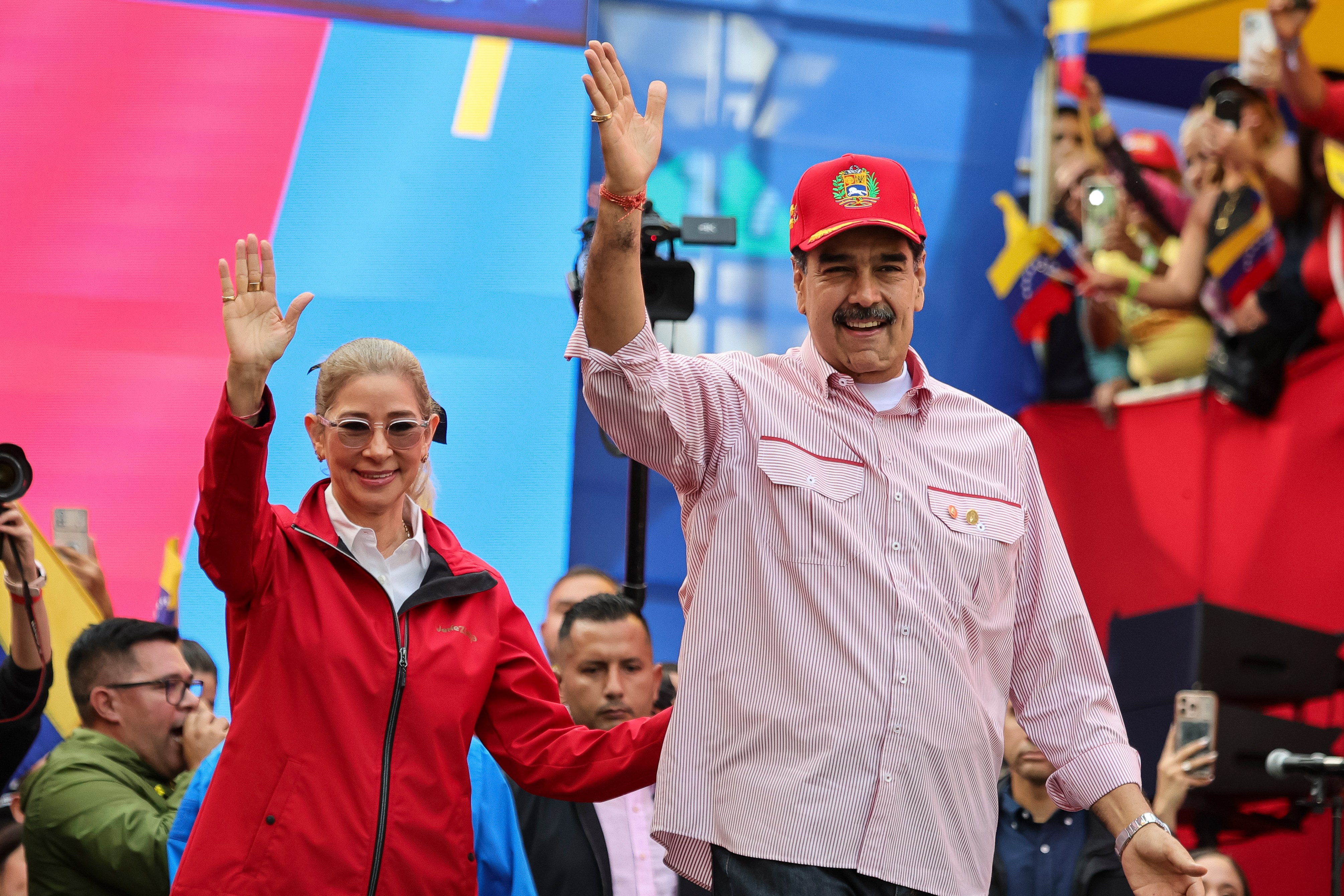
Cilia Flores and Nicolás Maduro
JESUS VARGAS/GETTY IMAGES
The Venezuelan dictator was in a supposed safe house when the Delta Force commandos burst in just after 2am and snatched him and his wife, before his security team had time to secure the property’s final defence of two heavy steel doors. Even if they had, the Americans were armed with blowtorches.
Within minutes Nicolás Maduro and Cilia Flores were being flown by helicopter across a moonlit Caribbean Sea to the USS Iwo Jima, an amphibious assault ship. They are expected to be sent to a New York federal detention centre before facing trial on drug trafficking charges.
• Read in full: Were the Maduros betrayed?
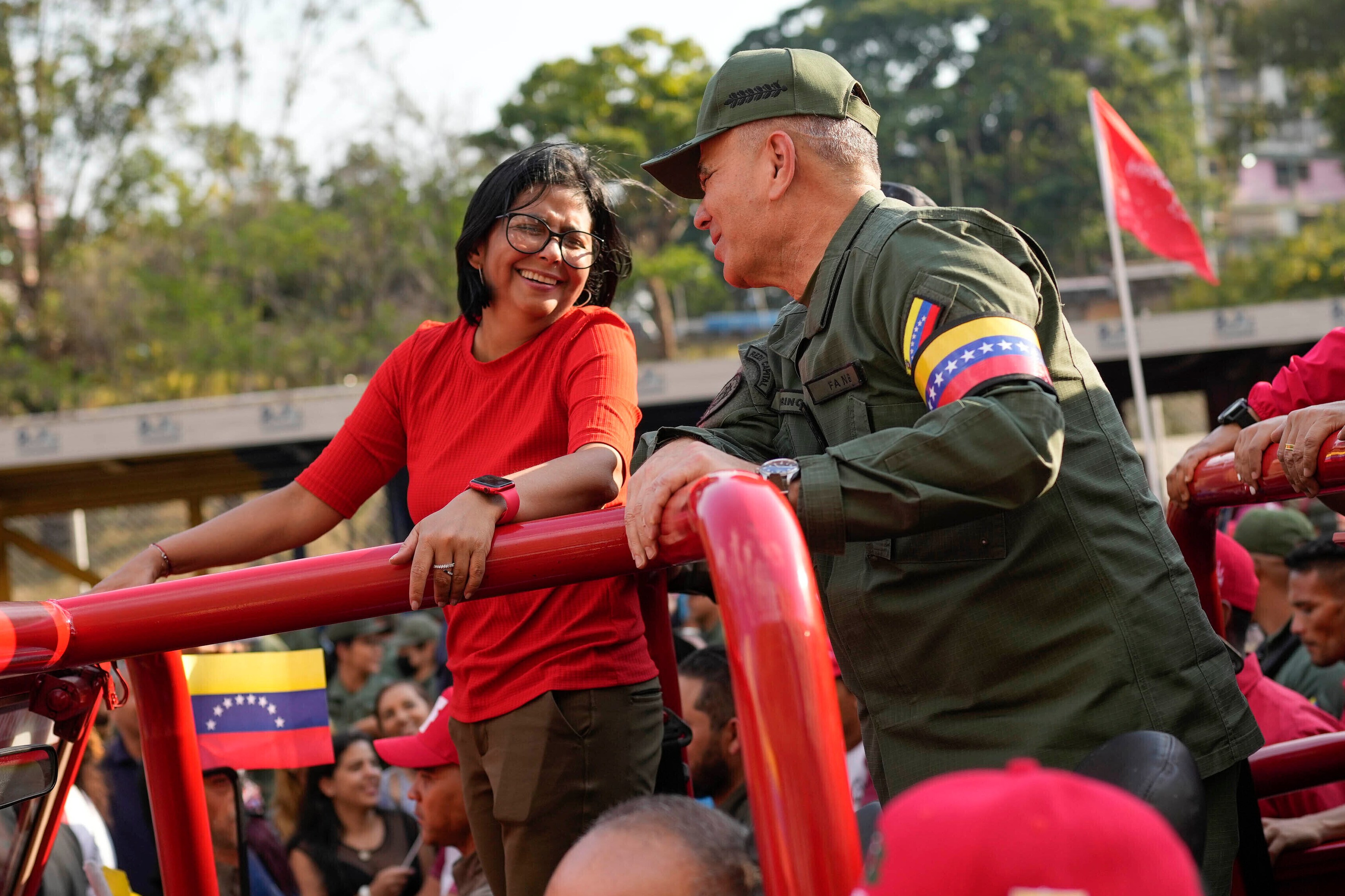
Delcy Rodríguez in 2023
MATIAS DELACROIX/AP
Delcy Rodríguez, the vice-president since 2018, has been appointed interim leader of Venezuela in Maduro’s absence.
Rodríguez, 56, is from a storied political family linked to the troubled relationship between the South American state and its all-powerful regional neighbour, the US.
Her father, Jorge Antonio Rodríguez, founded the Socialist League party and was involved in the 1976 kidnapping of the American businessman William Niehous, who was head of operations for a glass bottle company. Niehous was held for three years before he was found in a jungle, chained to a pole in a cattle rancher’s hut, and rescued.
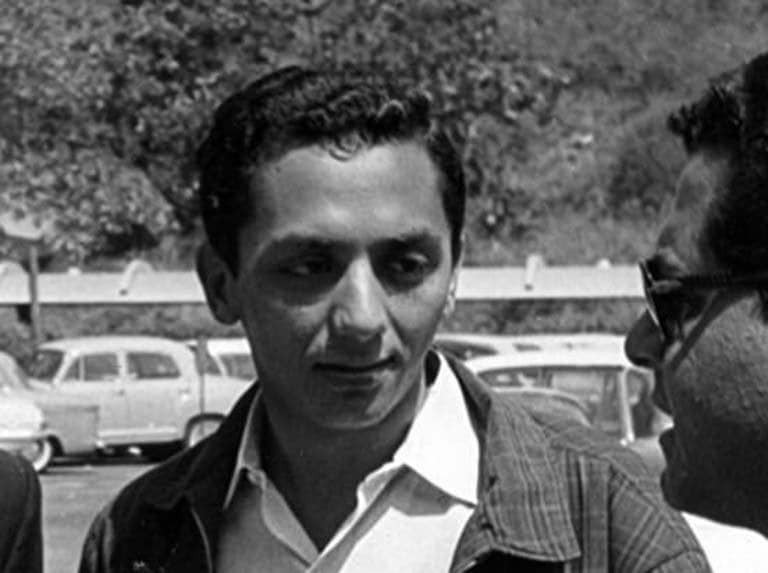
Jorge Antonio Rodríguez and, below, William Niehous
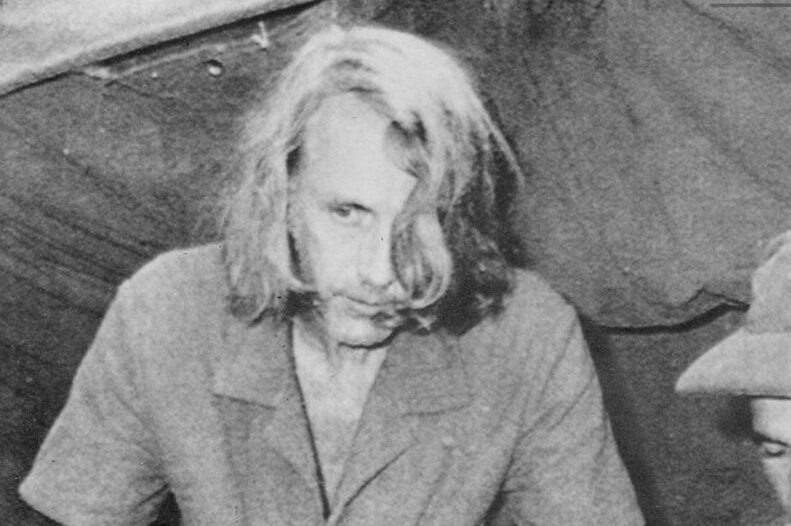
Mr Rodríguez was arrested for his role in the kidnapping and died under torture. His daughter’s brother, Jorge Jesus Rodríguez Gomez, is president of the Venezuelan parliament.
• Read in full: Who leads Venezuela now? Trump has picked his grudging puppet
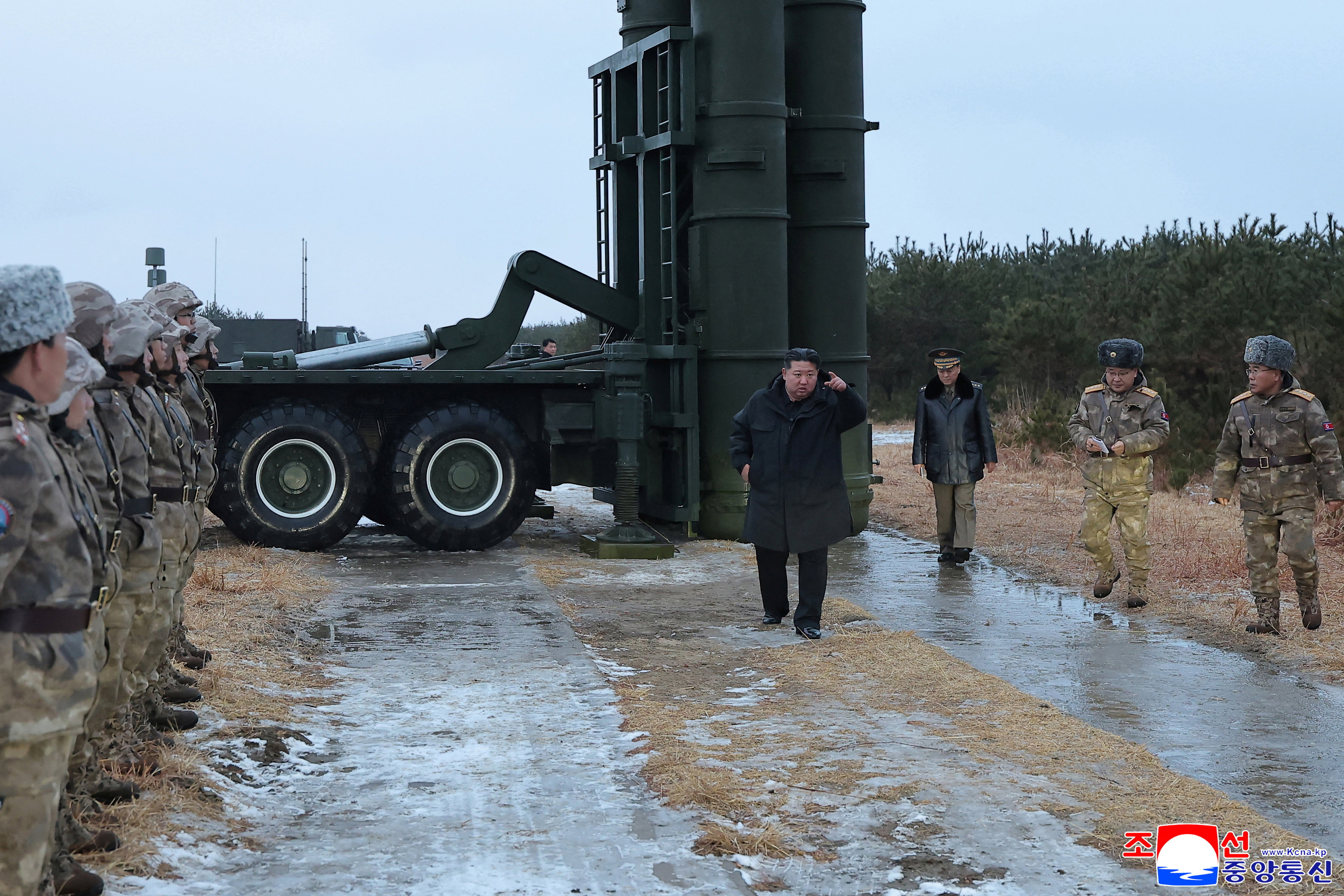
Kim visiting a missile site on December 25
REUTERS
Kim Jong-un has ordered an expansion of North Korea’s production of guided missiles after the US strikes on Venezuela, state news reported.
The official Korean Central News Agency said the supreme leader visited a weapons factory yesterday to review multipurpose precision guided weapons produced there. The country’s foreign ministry condemned the US operation as “the most serious form of encroachment of sovereignty”, saying it again showed “the rogue and brutal nature of the US”.
Dame Priti Patel, the shadow foreign secretary, has said Trump is “going alone” in an exchange about the US intervention in Venezuela.
She told Adam Boulton on Times Radio that “these are dangerous times” with many conflicts around the world. Asked whether Trump was contributing to this danger, she said: “He’s going alone on many of these.”
Asked if she supported the US actions, she said Trump was “making his own case for domestic reasons around drugs and American deaths … There are a lot of actors out there with lots of different agendas and also we’ve got to look at even the things that are affecting us closer to home right now: Iran, Ukraine, Russia.
“These are the issues that obviously consume us all and rightly so. We’ve got to ask the [British] government many of these questions in the days ahead. See what dialogues and discussions they’re having. What answers they get from the US administration.”
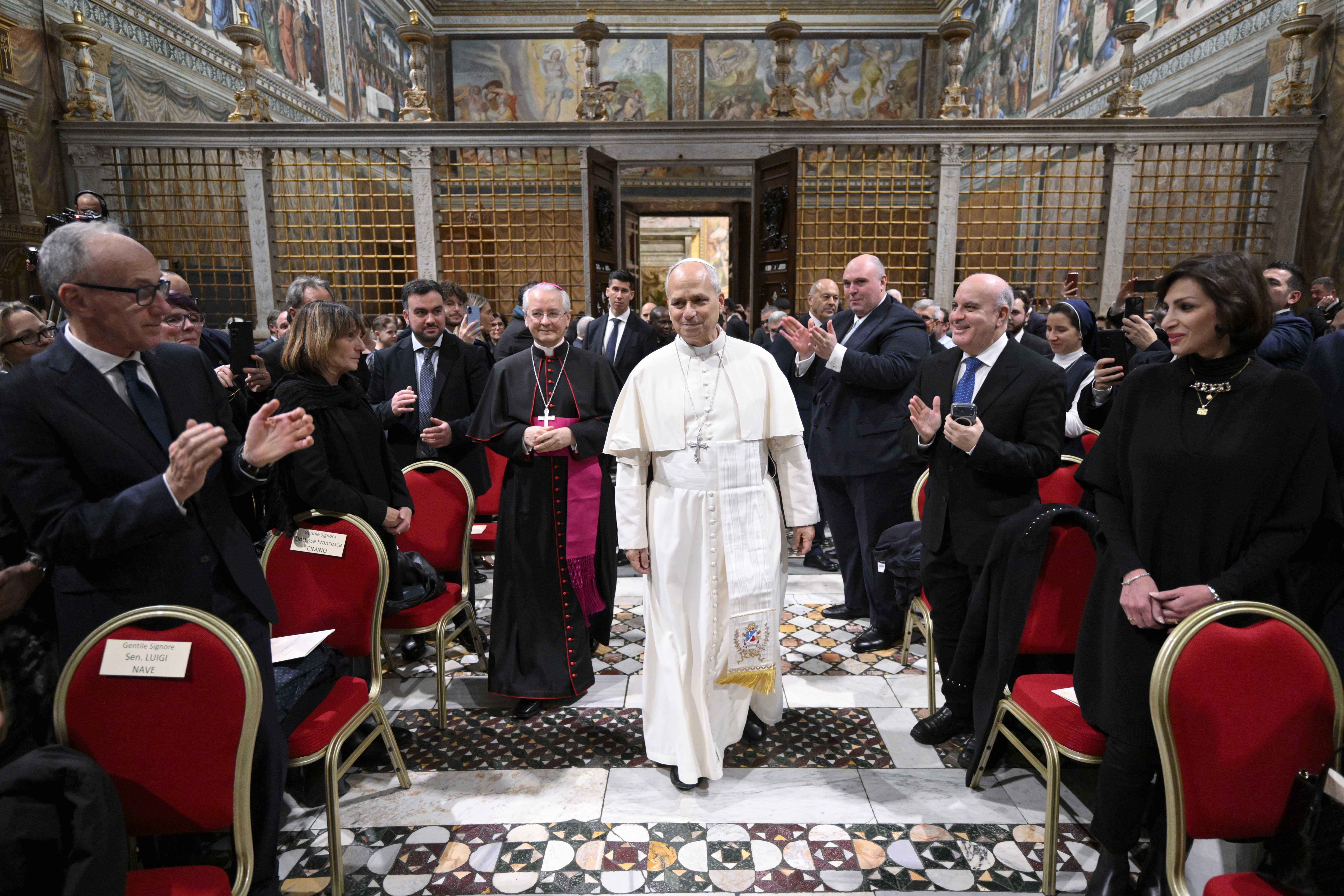
The Pope said he was following developments with a “soul full of concern” and called for human rights and Venezuelan sovereignty to be respected.
“The welfare of the beloved Venezuelan people must prevail over all other considerations and lead to overcoming violence and embarking on paths of justice and peace, guaranteeing the sovereignty of the country,” Leo, the first American pope, said today.
Almost half of the 29 million-strong Venezuelan population is Catholic, according to the CIA World Factbook.
Wounded soldiers describe the US strikes
Map of key targets
Restrictions imposed by the US on airspace over Venezuela and the Caribbean expired earlier today, suggesting that immediate further military action was unlikely.
“The original restrictions around the Caribbean airspace are expiring at 12am ET [7am GMT] and flights can resume”, Sean Duffy, the US transportation secretary, posted on X. “Airlines are informed, and will update their schedules quickly. Please continue to work with your airline if your flight was affected by the restrictions.”
Please enable cookies and other technologies to view this content. You can update your cookies preferences any time using privacy manager.
Enable cookiesAllow cookies once
The White House has celebrated Maduro’s capture by using a recent video of the Venezuelan leader taunting “coward” US officials to “come get me”.
A post on the White House’s official X account shows Maduro referring to his official residence, saying: “I’ll wait here in Miraflores, don’t take too long.” The video cuts Marco Rubio, the US secretary of state, at the press conference about the capture yesterday. “And now if you don’t know, now you know,” he says.
It shows the image of Maduro blindfolded after he was seized by US forces, followed by Trump smiling as he walks down a hallway. The clip ends by playing the Notorious BIG’s song Hypnotize.
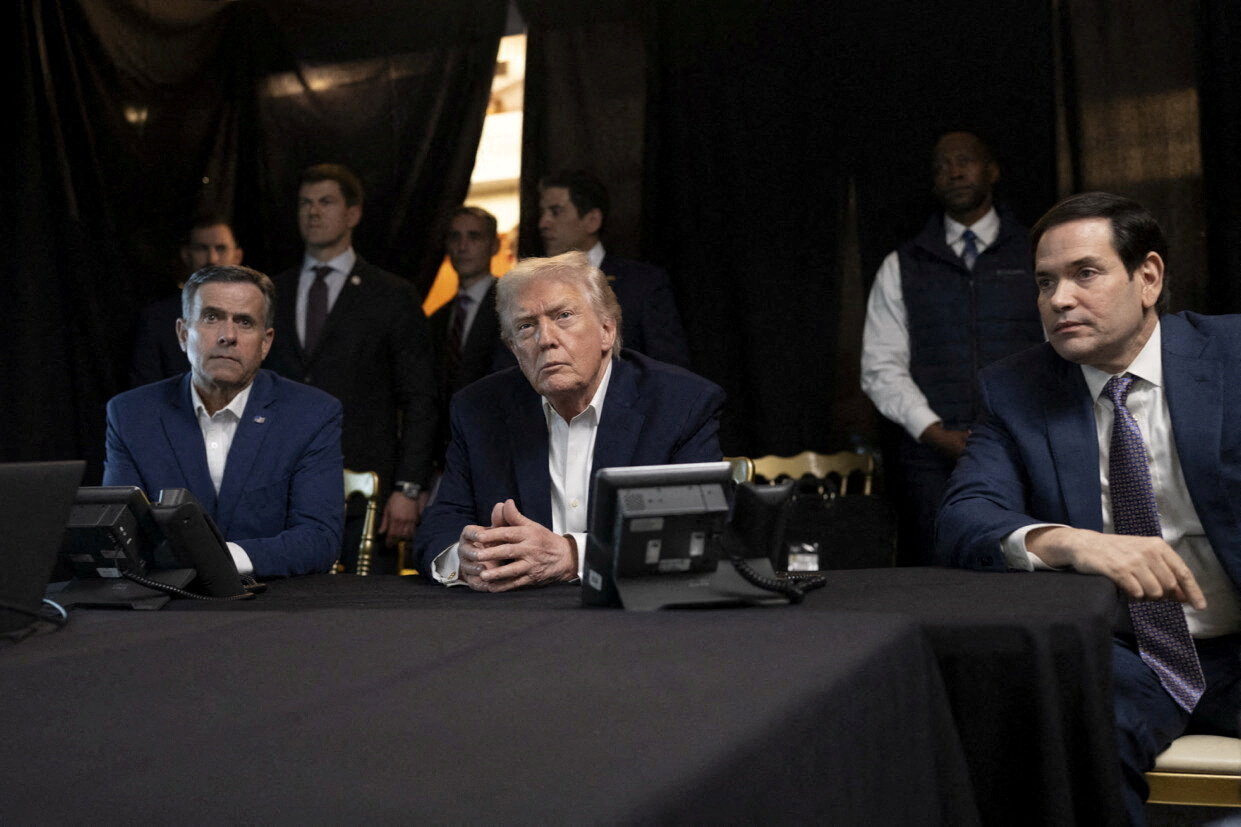
Trump with John Ratcliffe, the CIA director, and Marco Rubio, the secretary of state, watching the raid
REUTERS
The deputy leader of Reform UK has rejected comparisons between America’s strikes in Venezuela and Vladimir Putin’s invasion of Ukraine, claiming the two are “are chalk and cheese”.
Richard Tice was asked on Sky News’s Sunday Morning With Trevor Phillips why it was different for Trump to say “we need to remove this bad guy from Venezuela” because “his narco-terrorists threaten us in the United States”, versus the Russian president’s statements that “there are fascists and Nazis in Ukraine that threaten our borders and we’re going to remove them”.
Tice responded that they “are chalk and cheese, there is no comparison whatsoever” and “Putin has never said he was going to give Ukraine back to the Ukrainians”.
He told the programme the comparison is “apples and pears, nonsense … He wanted to invade the whole of Ukraine and to keep it”.
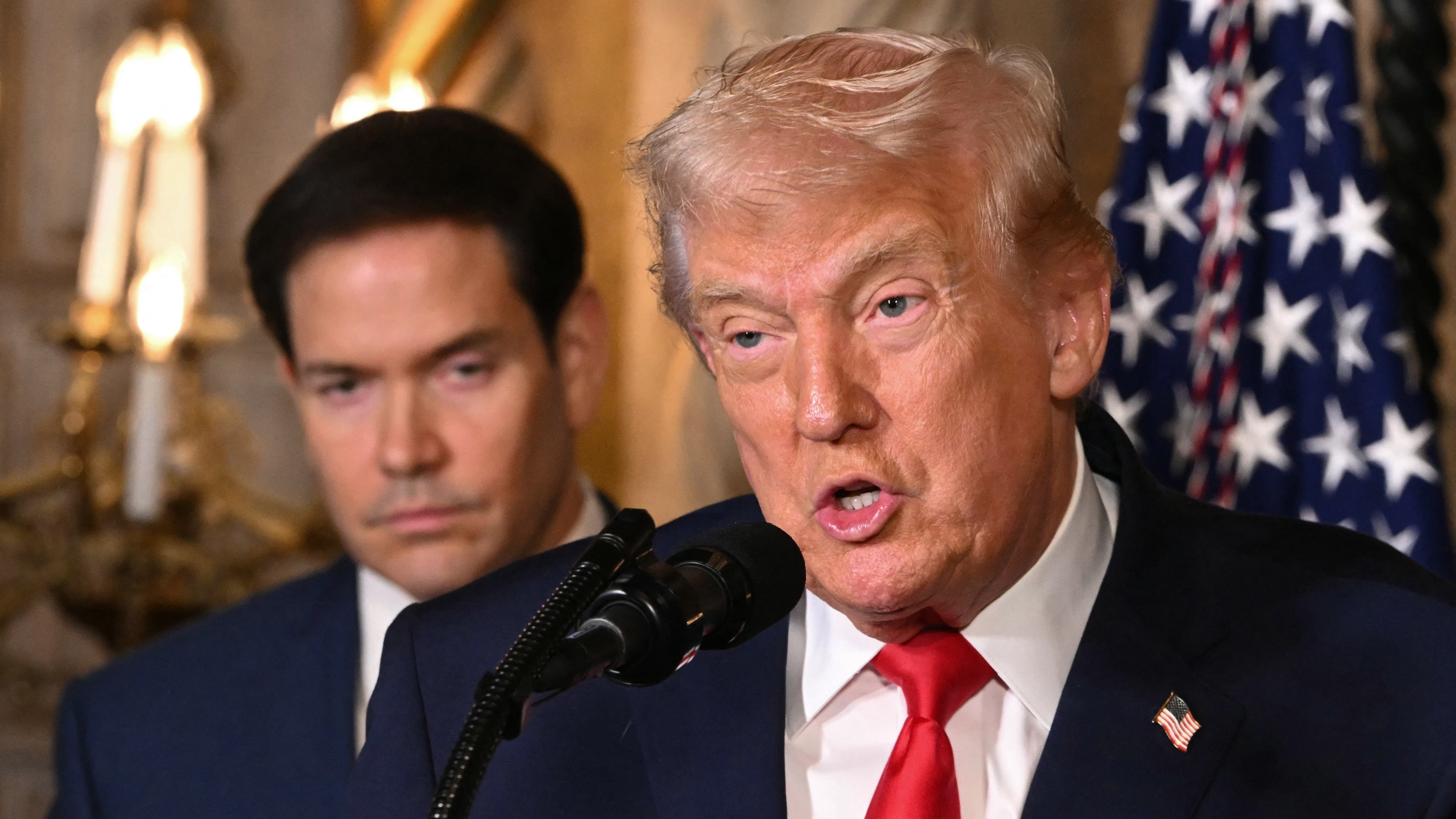
When the White House published its National Security Strategy last month, there was much focus on its claim that Europe faced “civilisational erasure” in the next two decades as a result of migration and censorship. But the most significant section of the 33-page document was a little higher up: the Western Hemisphere.
The paper outlined a new approach to “assert and enforce a ‘Trump corollary’ to the Monroe doctrine”, the foreign policy statement warning European powers against further colonisation or interference in America’s backyard. It read like major change was afoot. On Saturday, it became clear exactly what.
• Read in full: What happened to America First, asks US, as Trump strikes Venezuela
Please enable cookies and other technologies to view this content. You can update your cookies preferences any time using privacy manager.
Enable cookiesAllow cookies once
The Danish ambassador to the US has said his country “expects full respect for the territorial integrity of the Kingdom of Denmark”, after a prominent Maga podcaster posted an image of Greenland covered in the American flag.
Katie Miller, who is married to Stephen Miller, Trump’s homeland security adviser, and hosts a podcast with Kash Patel, the FBI director, posted the picture with the caption: “SOON.”
Jesper Moller Sorensen said in response: “Just a friendly reminder about the US and the Kingdom of Denmark: we are close allies and should continue to work together as such. US security is also Greenland’s and Denmark’s security. Greenland is already part of Nato. The Kingdom of Denmark and the United States work together to ensure security in the Arctic.
“And yes, we expect full respect for the territorial integrity of the Kingdom of Denmark.”
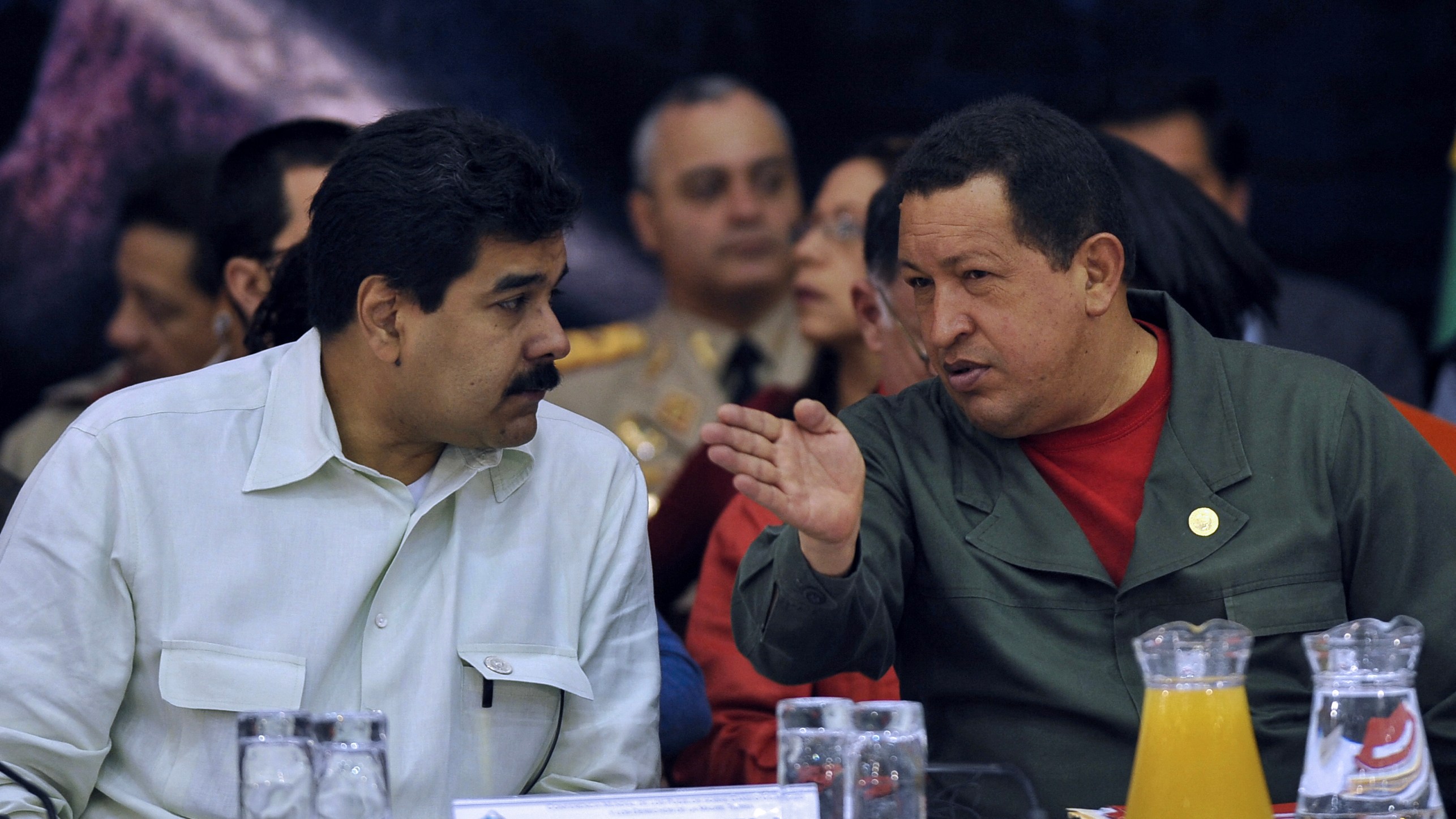
Nicolás Maduro succeeded Hugo Chávez, right, in 2013
AIZAR RALDES/AFP/GETTY IMAGES
The airstrikes on Caracas and capture of Maduro yesterday mark the most dramatic US intervention in Latin America in decades, and the culmination of a year-long campaign by Trump.
Trump accuses Maduro and drug smugglers in the region of “flooding” America with drugs including cocaine. But this is not the first time the United States has intervened in Venezuela, or the wider region.
• Read in full: A timeline of US intervention in Latin America

A US fighter jet lands in Puerto Rico after the raid
MIGUEL J RODRIGUEZ CARRILLO/GETTY IMAGES
The legality of the US operation is under intense as experts question whether it violated international law. “There are a number of international legal concepts which the United States might have broken by capturing Maduro,” Ilan Katz, an analyst, said.
China has condemned the strike as illegal and said it threatened peace and security. Analysts suggested Beijing could leverage the action to defend its stance against the US on territorial issues including Taiwan, Tibet and islands in the East and South China seas.
“Washington’s consistent, long-standing arguments are always that the Chinese actions are violating international law but they are now damaging that,” William Yang, an analyst at International Crisis Group, an NGO based in Brussels, said. “It’s really creating a lot of openings and cheap ammunition for the Chinese to push back against the US in the future.”
Kyriakos Mitsotakis, the Greek prime minister, said on X that Maduro “presided over a brutal and repressive dictatorship that brought about unimaginable suffering on the Venezuelan people”.
“The end of his regime offers new hope for the country. This is not the time to comment on the legality of the recent actions,” he said. “The priority must now be to ensure a peaceful and speedy transition to a new inclusive government that enjoys full democratic legitimacy. Greece will coordinate with its European Union and UN security council partners on the matter. We remain focused on ensuring the safety of Greek citizens in the country.”
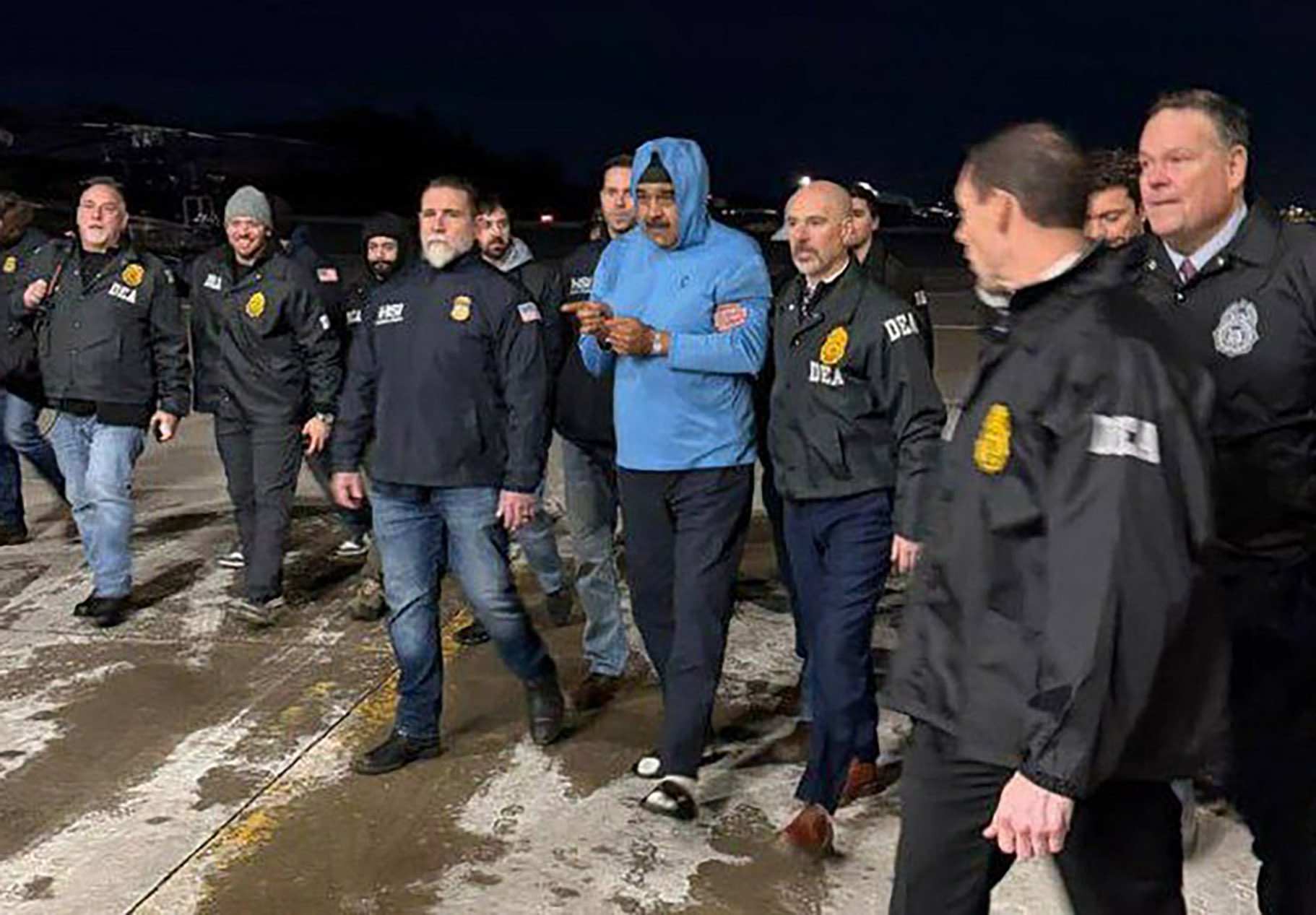
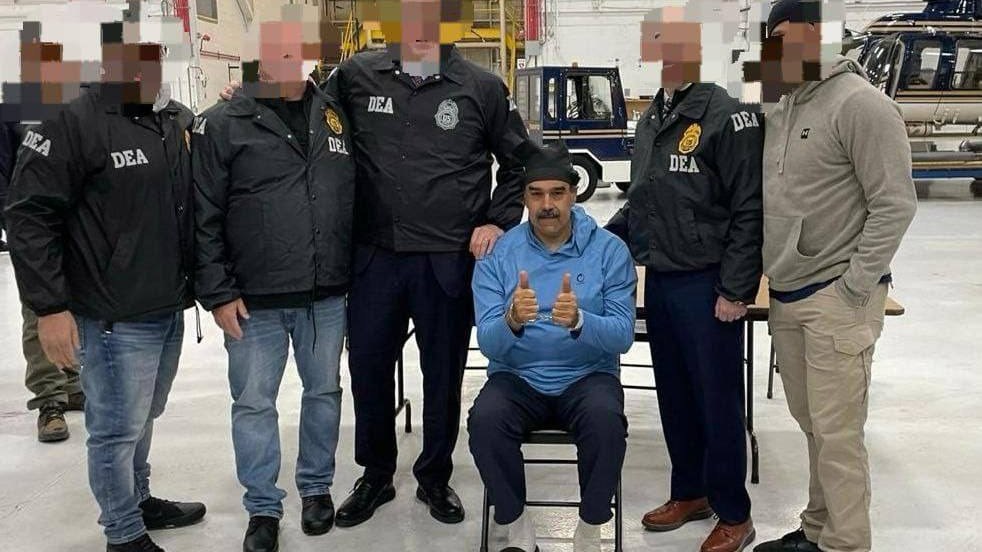
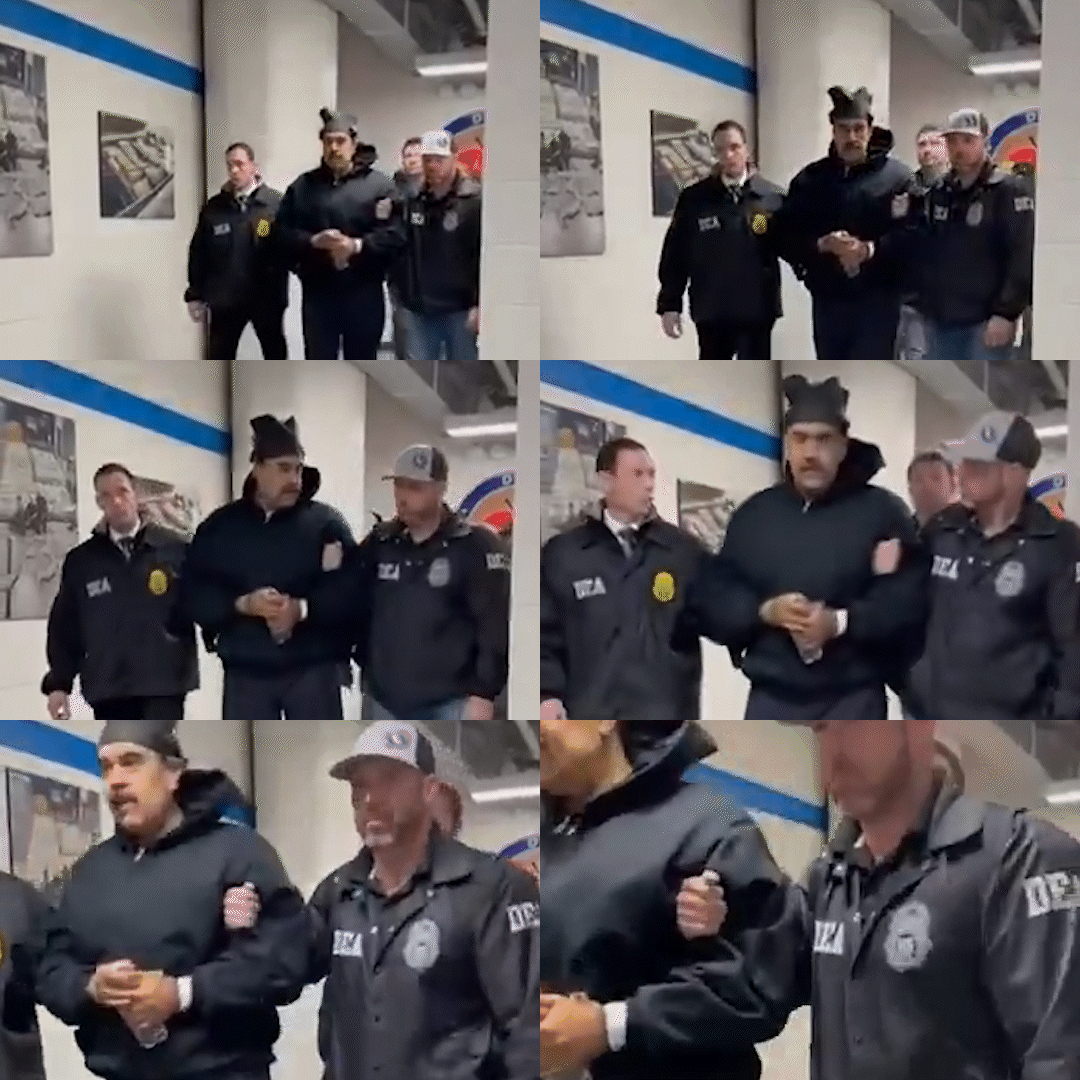
Maduro escorted by federal agents in New York
China’s foreign ministry said on Sunday that the US should immediately release Maduro and his wife and resolve the situation in Venezuela through dialogue and negotiation.
The ministry added the US should ensure their personal safety and that their deportation violated international law and norms.
China, along with Russia, is a major backer of Venezuela. Beijing had earlier said that “China firmly opposes such hegemonic behaviour by the US, which seriously violates international law, violates Venezuela’s sovereignty and threatens peace and security in Latin America and the Caribbean”.
More than 150 US aircraft, including F18s, F35s and B1 stealth bombers, were used in the Venezuelan operation. These helped to take out air defences over Caracas before a fleet of US helicopters moved in to abduct Maduro, the socialist leader in power since 2013.
Trump said the dictator and his wife, Cilia Flores, were “bum-rushed” in their steel-reinforced home by special forces and gave up before they were able to make it to a panic room. “We had blowtorches ready, but we didn’t need to use them,” he told Fox News.
He said two US operatives were injured in the attack, while a helicopter came under fire as the extraction squad departed. “This was one of the most stunning, effective and powerful displays of American military might and competence in American history,” Trump said.
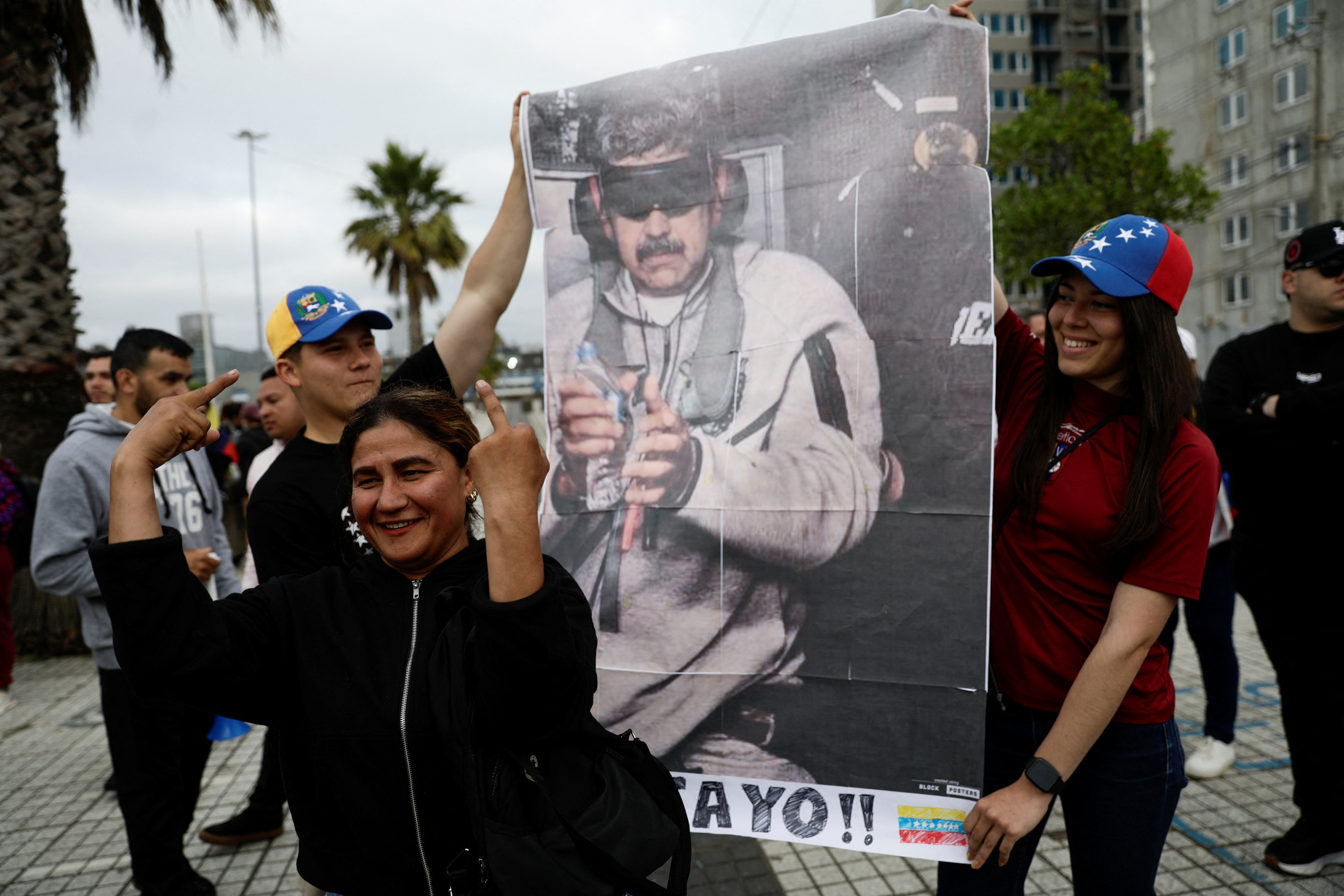
Venezuelans living in Chile gathered to celebrate
JUAN GONZALEZ/REUTERS
Sir Keir Starmer has called for international law to be upheld but stopped short of criticising Trump’s actions.
Having emphasised that “the UK was not involved in this operation”, last night he said it had “long supported a transition of power in Venezuela”, adding: “We regarded Maduro as an illegitimate president and we shed no tears about the end of his regime.”
Starmer said the government would “discuss the evolving situation with US counterparts in the days ahead as we seek a safe and peaceful transition to a legitimate government that reflects the will of the Venezuelan people”.
Other international reaction has been mixed. The EU has pledged to monitor the situation, while China and Russia have criticised the US’s actions.
The British government does not know what Trump meant by saying the US would run Venezuela, a minister has said.
Asked by Sky News if the US action in Venezuela sounded like colonialism, Darren Jones, the chief secretary to the prime minister, said: “We’re not in favour of colonialism and we’re not entirely clear yet what President Trump meant by those comments. It’s for the Americans now and for Venezuela to set out what happens in the coming days.”
Jones added that it was not for a “third country” to decide the future of Venezuela’s government.
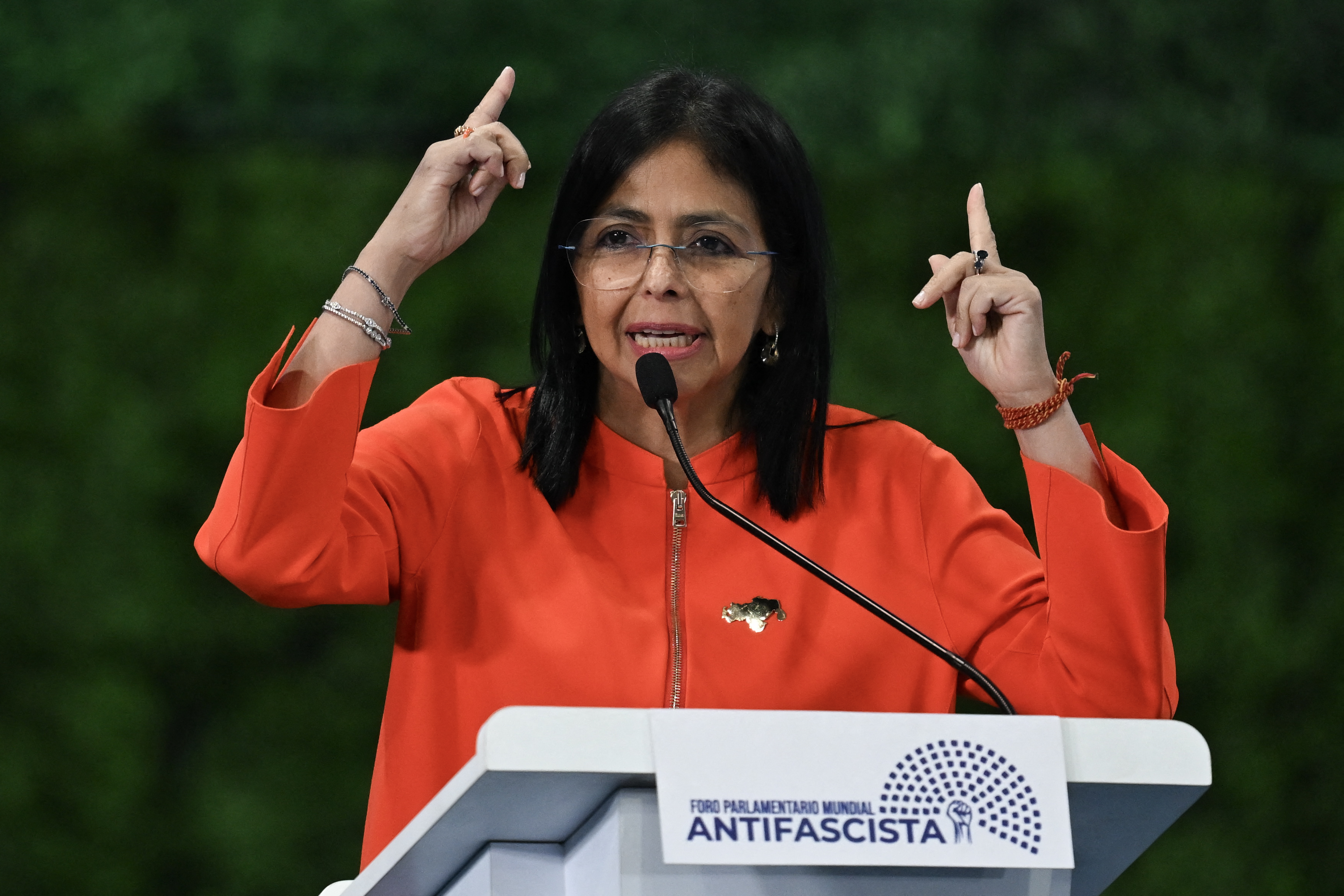
Delcy Rodríguez
JUAN BARRETO/GETTY IMAGES
President Trump indicated that officials in Washington, including Marco Rubio, the secretary of state, would play a pivotal role in managing Venezuela’s transition.
He also suggested that Venezuela’s vice-president, Delcy Rodríguez, had offered to work with the US during the transition. Trump claimed that she had been sworn in as interim president.
Venezuela’s Supreme Court later ordered Rodríguez become the country’s interim leader, but stopped short of declaring Nicolás Maduro permanently absent from office, a ruling that requires elections to be held within 30 days. However, on Saturday night Rodríguez said Maduro was Venezuela’s only president. She called for calm and unity after Maduro’s “kidnapping” and said that Venezuela would “never again be the colony of any empire”.
REUTERS/RAPID RESPONSE 47 VIA X
President Maduro of Venezuela is in US custody after being seized by American forces. The Trump administration has asserted that it now “runs” his government.
A Boeing airliner carrying the Venezuelan leader and his wife landed at Stewart Air National Guard Base less than 24 hours after he was snatched by elite US Delta forces.
Maduro was taken from his compound in Caracas in a show of force not seen “since World War Two”, Trump said.
Maduro is being held at a detention centre in Brooklyn. He and his wife may be arraigned as soon as Monday, according to US news reports. They face drugs and weapons charges.