Published on
January 4, 2026
As the travel industry anticipates a post-pandemic boom, Eastern Europe is emerging as one of the most sought-after regions for international tourists in 2026. Cities like Prague, Budapest, Sarajevo, and Sofia are at the forefront of this surge, offering travelers a blend of rich history, vibrant cultures, and significant cost savings. According to recent data from global travel platforms like KAYAK, these cities have seen dramatic drops in airfare prices, making them even more appealing to globetrotters looking for new and exciting destinations.
This year, a mix of affordable travel options and lesser-known but culturally rich destinations is causing an influx of interest from travelers seeking something beyond the well-trodden paths of Western Europe. Experts suggest that Eastern Europe offers both the cultural depth and affordability that travelers increasingly crave in the coming year.
A Growing Interest in Affordable Travel
In a time when rising costs are challenging many travelers, Eastern Europe’s affordability is becoming one of its greatest selling points. Compared to pricier Western European capitals, Eastern European cities like Budapest and Sarajevo offer a high-quality experience for much lower costs. Airfares have dropped significantly, with many of these cities now offering affordable flight options, especially through budget carriers. Additionally, accommodation and dining costs in cities like Sofia and Riga are much lower than in major Western cities, making these destinations ideal for tourists on a budget.
The Czech Republic’s Prague, Hungary’s Budapest, and Bosnia’s Sarajevo have long been favorites for those seeking historical charm, but with the addition of new low-cost travel routes and a surge in international interest, these cities are poised to become more popular than ever in 2026.
According to official data from KAYAK, there has been an increase in flight searches to Eastern European cities in recent months, signaling a rise in demand. This trend has been echoed by tourism boards in several countries, which have already ramped up marketing efforts to showcase their cities as ideal spots for 2026 travel.
Why Eastern Europe?
The appeal of Eastern Europe extends beyond its cost-effectiveness. For many, the region offers something that is often hard to find in crowded Western Europe: authenticity. Visitors to Riga and Kraków can explore beautiful medieval architecture, scenic landscapes, and a more relaxed pace of life, away from the bustling crowds of cities like Paris or Rome.
These cities also offer a rich cultural experience. Prague, for example, is known for its fairy-tale architecture, including the iconic Prague Castle and Charles Bridge, while Budapest offers travelers stunning views along the Danube River and the famous thermal baths. On the other hand, Sarajevo boasts a unique blend of Ottoman, Austro-Hungarian, and Yugoslav influences, making it a living museum of history and culture.
For those seeking a slower-paced, more immersive travel experience, cities like Sofia and Riga are perfect for wandering through cobbled streets, exploring hidden courtyards, and discovering local gems off the beaten path.
Sustainable and Growing Tourism Initiatives
Eastern Europe is not just about cheap travel – it’s also about promoting sustainable tourism. Many cities are investing in eco-friendly infrastructure, aiming to preserve their rich cultural and natural heritage while welcoming more visitors. For instance, Sofia, the capital of Bulgaria, is focused on enhancing sustainable travel initiatives, improving its public transport network, and creating pedestrian-friendly spaces to reduce the environmental impact of tourism. Similarly, Sarajevo is emphasizing eco-tourism by developing hiking trails, promoting nature-based activities, and supporting local artisans.
Governments in Poland, Latvia, Hungary, and other Eastern European countries are also working on improving tourism accessibility through the creation of new routes, additional flight connections, and better facilities for visitors. These efforts aim to position the region as not just an affordable alternative but as a long-term sustainable tourism destination.
Eastern Europe Cities to Watch in 2026
The following cities are poised to be some of the hottest destinations in 2026:
Prague, Czech Republic
Prague’s iconic Old Town and historical landmarks continue to captivate visitors. With its charming cobbled streets and stunning architecture, it remains a top destination for tourists who seek a blend of history, culture, and beauty.
Budapest, Hungary
Budapest’s combination of thermal baths, magnificent architecture, and vibrant nightlife has made it one of Europe’s most popular cities. In 2026, Budapest is expected to see an influx of international visitors eager to enjoy its affordable yet luxurious offerings.
Sarajevo, Bosnia & Herzegovina
Sarajevo, often referred to as the “Jerusalem of Europe,” offers a unique cultural fusion of Ottoman, Austro-Hungarian, and Slavic influences. Its beautiful riverside views, Ottoman architecture, and rich history make it a must-visit destination in 2026.
Sofia, Bulgaria
Sofia is quickly emerging as an attractive travel hub for history enthusiasts. Visitors can explore its ancient Roman ruins, Byzantine churches, and nearby mountains while enjoying the benefits of the city’s affordability.
Riga, Latvia
Riga is gaining attention for its Art Nouveau architecture and UNESCO World Heritage Old Town. As a cultural capital, it is positioning itself as a destination for tourists looking to discover a more intimate, creative atmosphere.
Kraków, Poland
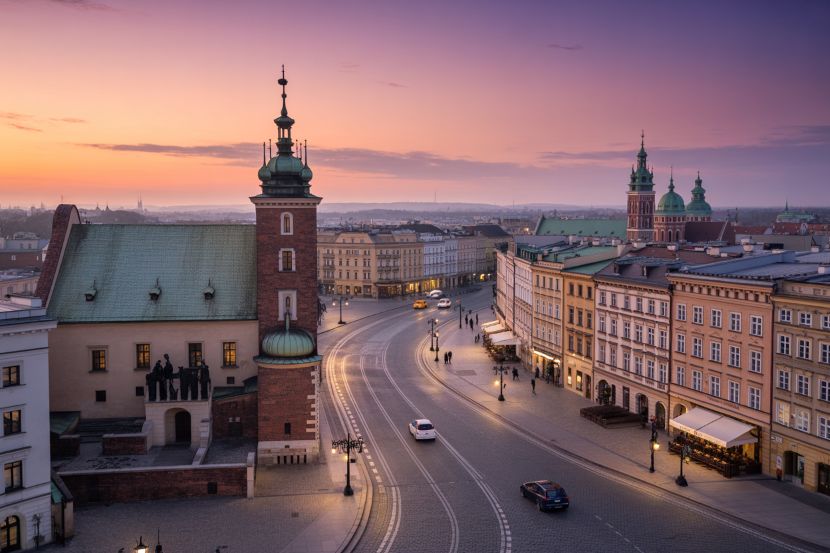
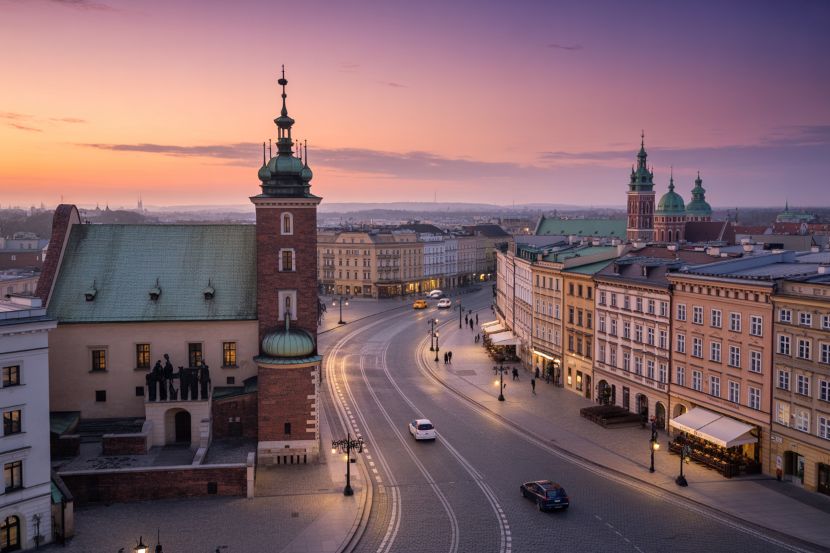
Kraków, home to Wawel Castle and the historic Old Town, has long been one of Poland’s top destinations. In 2026, the city is expected to attract even more visitors with its well-preserved medieval landmarks and rich cultural scene.
Conclusion: Why Eastern Europe Is a Must-Visit in 2026
In 2026, Eastern Europe is set to rise as one of the most exciting regions for global travelers. With its affordability, authentic experiences, and rich cultural heritage, Prague, Budapest, Sarajevo, and Riga are just a few examples of what this vibrant region has to offer. Whether it’s art, history, nature, or nightlife, Eastern Europe provides an unforgettable travel experience at a fraction of the cost of more traditional European hotspots.
As airlines expand routes, governments invest in sustainable tourism, and locals embrace their cultural roots, these cities will continue to shine brightly as top destinations for budget-conscious, adventurous, and culture-seeking travelers.
Eastern Europe is truly the undiscovered gem of 2026 – offering something for everyone while remaining affordable and unspoiled. It’s time to start planning your trip to one of these rising stars before the crowds catch on!
