Published on
January 5, 2026
Japan’s high-speed train system is facing new challenges as financing needs increase and the population continues to drop. With the need to balance national objectives, planners and government agencies are assessing Shinkansen extension proposals.
Context: Shinkansen Network Today
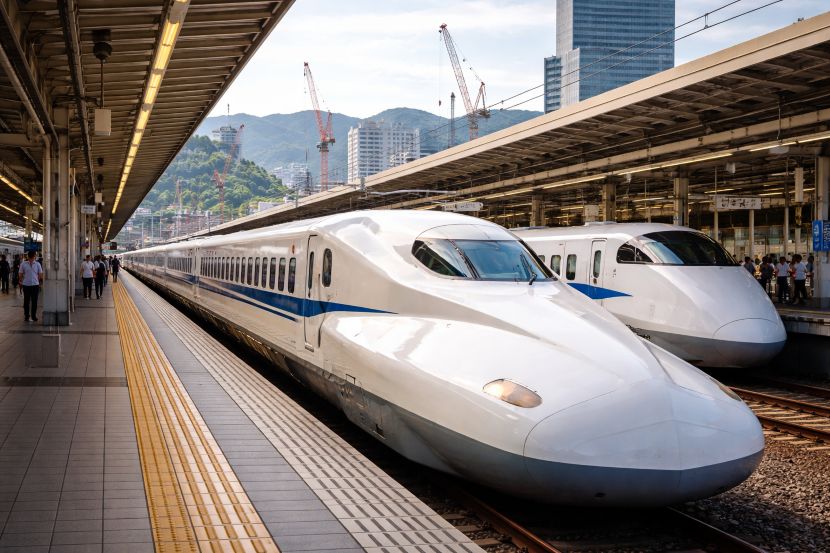
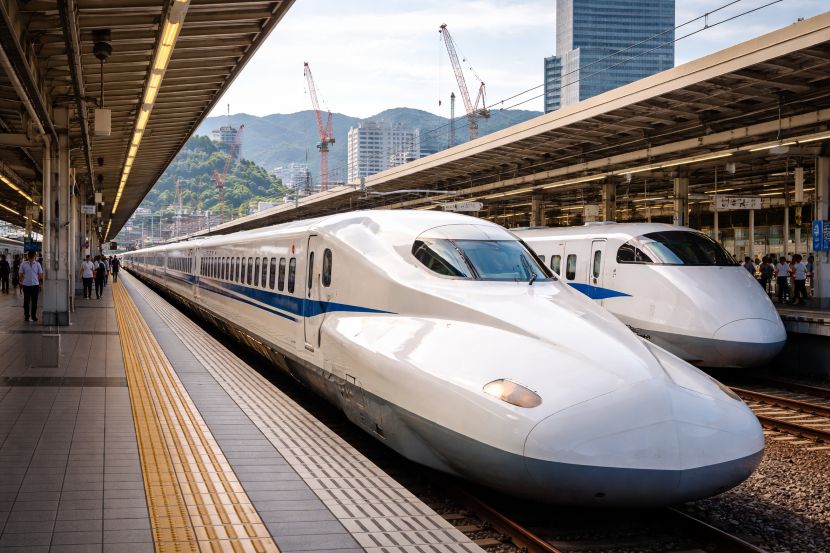
Japan’s bullet train (Shinkansen) connects major urban centers with some lines reaching speeds up to 320 km/h. It serves as a backbone for long‑distance travel across Honshu and Kyushu. Extensions like the Hokkaido line to Sapporo are in progress, though delayed.
The government set long‑term plans under the “Basic Plan” for Shinkansen lines decades ago. These include connecting northern cities, extending lines to less served regions, and building links across islands. Yet many proposed routes remain under study or unbuilt.
Cost Escalation Is Central
Recent government analysis shows construction costs for proposed extensions have risen sharply above initial projections. Massive tunneling, land acquisition and inflation in materials and labor contribute to higher outlays.
For example, projections for the Hokuriku Shinkansen extension from Tsuruga to Osaka have grown into multiple trillions of yen. This challenges fiscal plans and prompts reassessment of route options and timelines.
The planned Linear Chūō Shinkansen (maglev) between Tokyo and Nagoya is also a case in point. Originally estimated at 5.1 trillion yen, costs have climbed to over 9 trillion yen for the Tokyo–Nagoya section alone.
Demographic Pressures Affect Demand
Japan’s population has been declining, with fewer young and economically active residents. Rural and regional areas show especially steep declines. This undermines forecasts for passenger demand on new lines.
Government planners now weigh whether expected ridership justifies the huge investment. Lower future usage could weaken economic benefits once assumed for connecting smaller cities or distant regions.
Planning Shifts and Priorities
Authorities are exploring alternatives to full‑scale Shinkansen builds in low‑demand areas. This includes shifting focus to increased local rail integration, bus connections, or scaled‑down gauge conversions.
Some routes under review may be deferred or redesigned to cut costs. For example, Hokuriku line routing and station locations near Kyoto are being reexamined to reduce financial and environmental impact.
Travel and Service Impacts
For travelers, Japan’s core Shinkansen services remain reliable and robust. The busiest lines connecting Tokyo, Nagoya, Kyoto and Osaka will continue high‑frequency operations.
Existing extensions, such as Tokyo–Kanazawa–Tsuruga on the Hokuriku line, already provide fast links and scenic travel.
How to Navigate Current Services
Tokyo to Western Japan
Take the Tōkaidō Shinkansen from Tokyo to Nagoya, Kyoto or Osaka. It is the fastest route connecting major cities.
Tokyo to Kanazawa / Hokuriku Coast
Use the Hokuriku Shinkansen to Kanazawa or Tsuruga. This line runs through scenic regions along the Sea of Japan.
Connections Beyond Shinkansen Endpoints
Where high‑speed lines haven’t yet reached (for example, Tsuruga to Osaka via the future extension), connect to limited express trains like the Thunderbird, local rapid services, or regional buses.
Advance Booking Tips
Reserve seats during peak travel periods (holiday seasons, Golden Week, Obon) as trains get full quickly.Use Japan Rail Pass or regional passes for cost savings on Shinkansen and connecting services.Regional Travel Benefits
Even without full extensions, high‑speed rail helps open up cities and towns. Cities like Kanazawa and Fukui are easier to reach, supporting tourism and commerce without additional long‑distance segments.
Looking Ahead
Japan’s government still prioritizes development for overall transport infrastructure. However, there is a shift in strategy. Major expansions are being postponed until more detailed cost-benefit assessments are tied to new population trends.
In this case, policy suggests sustainable ridership, fiscal prudence, and consideration of regional input. Future decisions are likely to reflect a balance of technilogical ambition and demographic and economic realism.
Rail travelers in Japan can still depend on the country’s bullet trains for safe and efficient travel across the country’s major urban focal points. For those areas still awaiting full Shinkansen service, the best mix is still a combination of rails and express connections.
