
More than a week after the current wave of protests erupted in Iran and spread across the country, senior Iranian figures on Sunday described the mood within the leadership of the Islamic Republic as one of “survival mode,” according to the New York Times.
The assessment comes as demonstrations have yet to subside, with protests recorded Saturday night in multiple locations, similar to previous days. Particularly violent scenes were reported from the city of Shiraz. Looming over Tehran’s leadership is also growing concern about the possibility of another confrontation with Israel and the US.
 Protests in Iran. Photo: Arab networks
Three Iranian officials who spoke with the newspaper said that as the protests intensified, senior figures acknowledged in private meetings and conversations that the Islamic Republic had entered what they described as “survival mode.” Three officials told the Times there was increasing fear that if instability persists, Israel could view the situation as an opportunity to strike again.
The unrest has also deepened existing rifts between Iran’s elected leadership and the clerical establishment. Iran’s President Masoud Pezeshkian convened two emergency meetings last week with his economic advisers, seeking guidance and talking points in case the crisis worsened. Some advisers, according to the report, recommended that he place the blame in his speeches on Iran’s dual power structure, meaning Supreme Leader Khamenei, who holds ultimate authority.
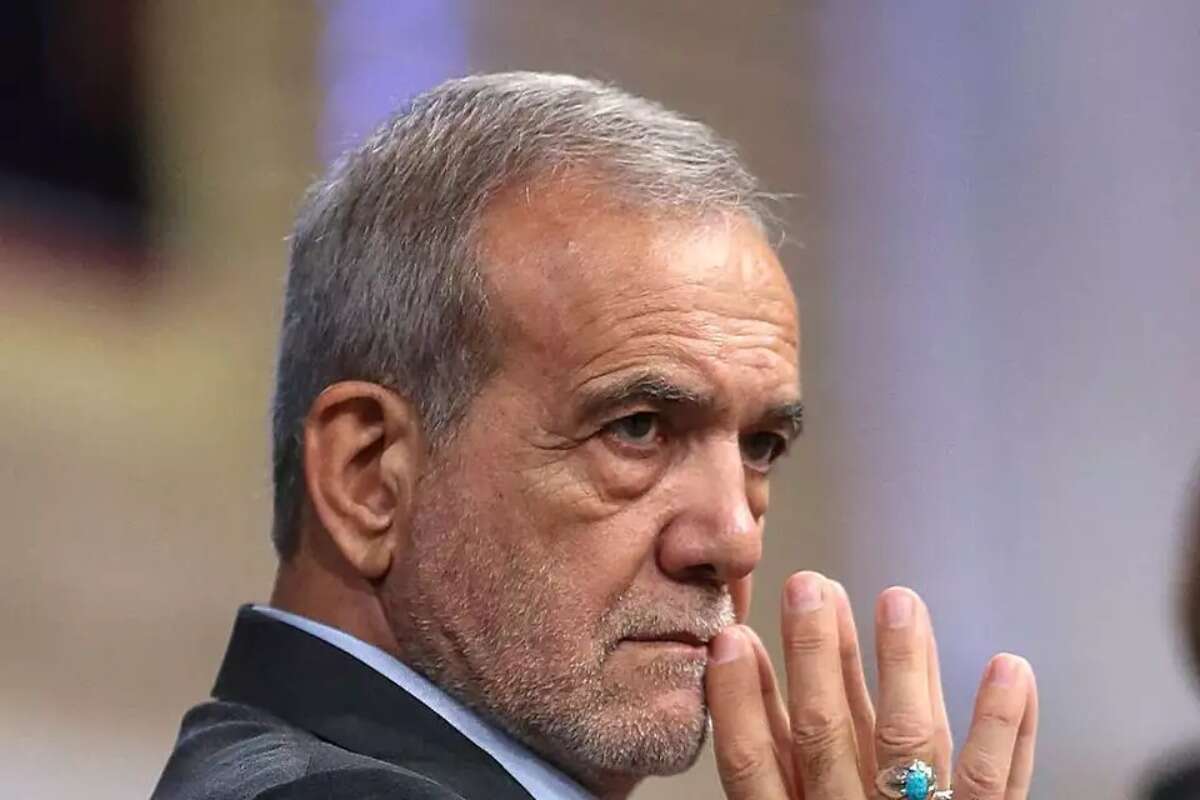 Iranian President Masoud Pezeshkian. Photo: Reuters Reuters
Pezeshkian is identified with the reformist camp within the loyalists of the Islamic Republic and has repeatedly come under harsh criticism from media outlets aligned with hardline elements of the Islamic Revolutionary Guard Corps, including the Tasnim news agency. In recent weeks he has spoken openly about the dire state of the Islamic Republic and at one point even admitted that he had no clear ideas for solving Iran’s many problems. “Any policy that is unjust is doomed to fail,” he said in a speech on Thursday, his first since the protests began. “We must accept that we need to listen to the people.”
The protests began in Iran’s major bazaars after a sharp spike in the dollar exchange rate, which dealt another severe blow to the already dire economic situation facing ordinary Iranians. At first, regime mouthpieces all but ignored the unrest, reporting on calm streets and open shops. The government itself announced several days of shutdowns in the public sector, citing “weather conditions” and an energy crisis.
 Khamenei and Iran’s Protests. Photo: AFP, EPA
Over the weekend, the Fars news agency was forced to address the protests but portrayed them as “organized cells” and “semi-militant attacks” funded from abroad, echoing statements by the supreme leader, who blamed “the enemy” even for rampant inflation. Khamenei himself said over the weekend that there was “no point” in dialogue with the protesters and that the unrest must be “reined in.”