Published on
January 5, 2026
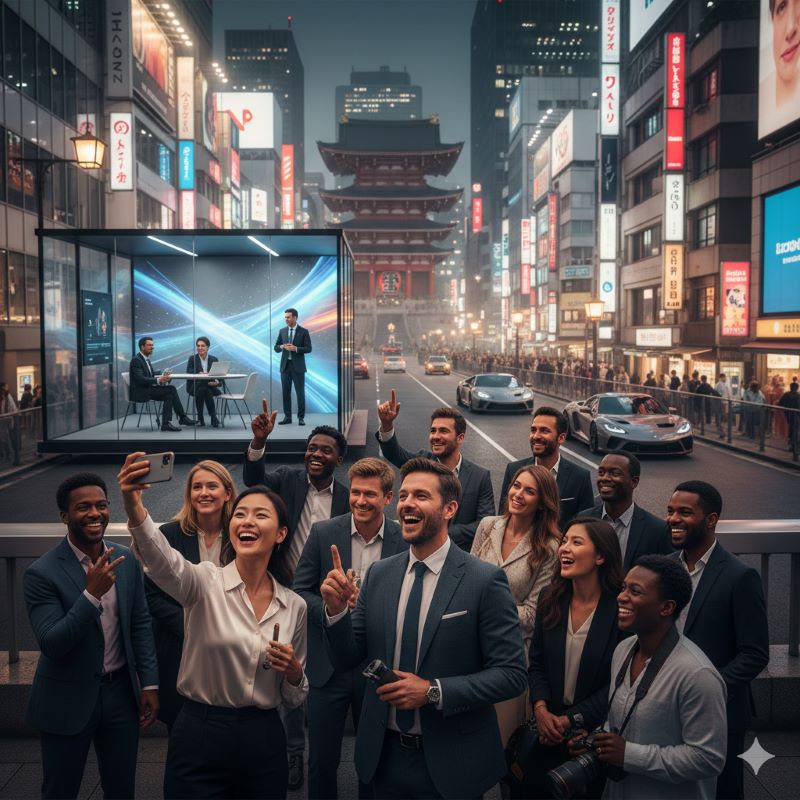
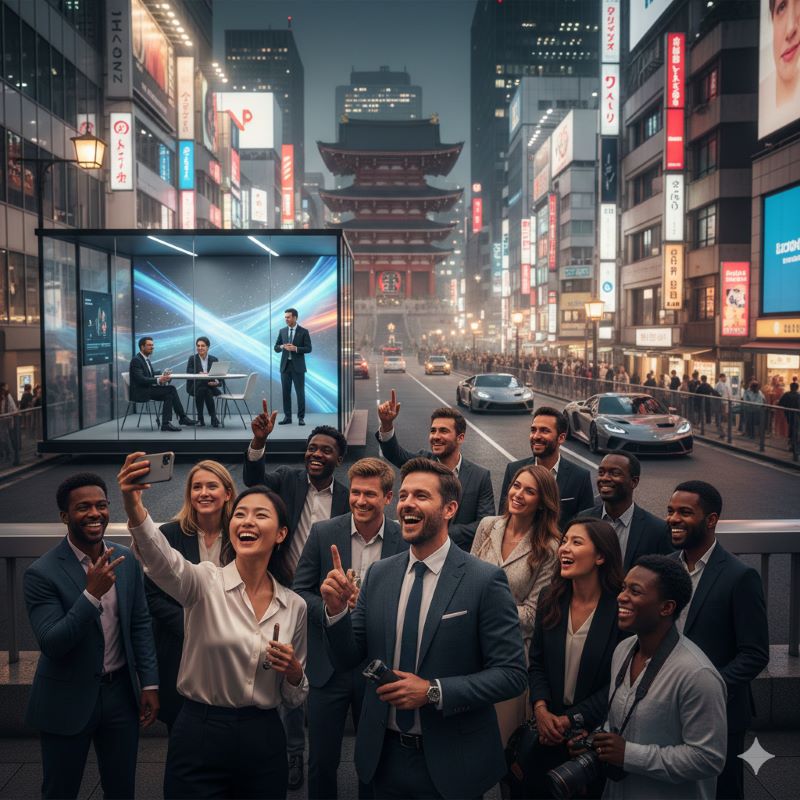
In the bustling heart of Japan, a new kind of energy is beginning to stir. It is not just about the neon lights of Tokyo. It is about the warm smile of a host. It is about the firm handshake of a new partner. For many, travel is a way to find oneself. In Japan, business travel is becoming a way to find each other. The Japan MICE sector is growing fast. MICE stands for Meetings, Incentives, Conferences, and Exhibitions. It is more than just a cold business term. It represents the heartbeat of a nation reaching out to the world.
A Bold National Vision for Global Leadership
The Japanese government has a very clear and ambitious goal. They want to be a world leader. Right now, Japan ranks 7th for international conferences. The official goal is to reach the top 5 very soon. This is not just about numbers on a chart. It is about pride and progress. According to the Japan National Tourism Organization (JNTO), the sector is booming. International conference participation rose by 22% in 2024. This growth shows that the world trusts Japan. They trust its safety. They trust its beauty. Most importantly, they trust its people.
Government officials believe business travelers are vital. These visitors spend more than regular tourists. They are less likely to cancel trips due to small economic shifts. This makes them a “treasure” for the local economy. The Ministry of Land, Infrastructure, Transport and Tourism (MLIT) views this as a pillar of growth. They see it as a way to revitalize regions far beyond the capital.
Diverse Demands from a Global Audience
Travelers come from all over the world. Every region has its own heart and its own desires. The Japanese government tracks these trends closely to provide the best care.
United States groups often bring the largest budgets. They seek “iconic” Japan. They want to see a Geisha or a Sumo match. Southeast Asian guests love the digital art scenes. They want photos that capture a moment of magic. European visitors want to feel the earth. They seek the quiet trails of Mt. Fuji. Australian and Singaporean guests are often “repeaters.” They feel at home here. They use the trains like locals. This diversity makes Japan a vibrant tapestry of experiences.
The Social Media Spark and Modern Corporate Behavior
Business travel is changing. It is no longer just about sitting in a room. Companies want “brag-worthy” trips. They use social media like Instagram and TikTok to show off. A trip to Japan is a reward. It is a way to make employees feel special. It fosters healthy competition in the workplace.
Clients are asking for unique things now. They do not want standard tour packages. Some want “Fast and the Furious” drift racing. Others want meetings in tiny boutique cafes. The “Social Media” effect is very strong. A photo of a successful meeting in Kyoto can go viral. This attracts even more people to the country. It creates a cycle of inspiration and travel.
Building the Stage for Excellence
Infrastructure is the backbone of this success. Major hotels are investing millions of yen. The Mandarin Oriental Tokyo is a great example. They want MICE to be 20% of their revenue. They installed amazing video projection systems. Their ballrooms can now transport guests to another world.
The Hilton Tokyo is also moving forward. They renovated their large ballrooms recently. They created new “breakout spaces” for small talks. They are competing with hubs like Singapore and Dubai. Japan is proving it can offer world-class tech and traditional “Omotenashi” hospitality.
Spreading the Wealth Across the Map
Tokyo is the primary hub, but it is not alone. The government is helping other cities grow too. Kyoto, Osaka, Okinawa, and Hokkaido are all in the spotlight. Each region has a unique soul to share.
Kyoto offers deep history. Osaka offers vibrant food and energy. Okinawa offers tropical peace. Hokkaido offers vast, snowy landscapes. The Japan Tourism Agency is helping these regions create their own strategies. They want business travelers to see the “real” Japan. This helps small towns survive and thrive. It brings jobs to local people. It keeps traditional crafts alive for the next generation.
Economic Resilience and Stability
The government knows that tourism can be fragile. But MICE is different. Business events are planned years in advance. They provide a steady stream of income. This stability helps the country during tough times. Business travelers are high-value guests. They stay in nice hotels. They eat at local restaurants. They buy local gifts for their families. Their impact is felt in every corner of the service industry.
The focus is now on “Sustainable Tourism.” The Japan National Tourism Organization stresses the importance of balance. They want to welcome the world without losing their essence. They want to protect the nature that Europeans love. They want to preserve the culture that Americans admire.
The Human Heart of Japanese Hospitality
At the end of the day, MICE is about people. It is about a scientist finding a cure at a Tokyo conference. It is about an employee feeling valued while cycling in Hokkaido. Japan offers more than just a venue. It offers a sense of belonging. The government’s “New Era Inbound Expansion Action Plan” is a promise. It is a promise to treat every guest with the highest respect.
As we look toward the future, the lights of Japan shine bright. We see a nation that is ready to lead. We see a culture that is ready to share. Every meeting held here is a bridge built between nations. Every incentive trip is a memory that will last a lifetime. Japan is not just a destination for work. It is a destination where the world comes together to dream. When you visit for business, you leave with a piece of Japan in your heart. That is the true power of the MICE sector. It turns a simple trip into a life-changing story.
