This story is from the winter edition of Tweed.
When we landed in Iceland, I knew this would be a travel experience like no other—and I’ve gathered a lot of them from visiting 60 different countries on six continents. But Iceland would feel more like a different planet, and we planned to circumnavigate it.
The remote and unforgiving Northern European nation, which is currently enjoying a travel boom, is known as the land of fire and ice. It has some of Europe’s largest glaciers and some of the world’s most active volcanoes.
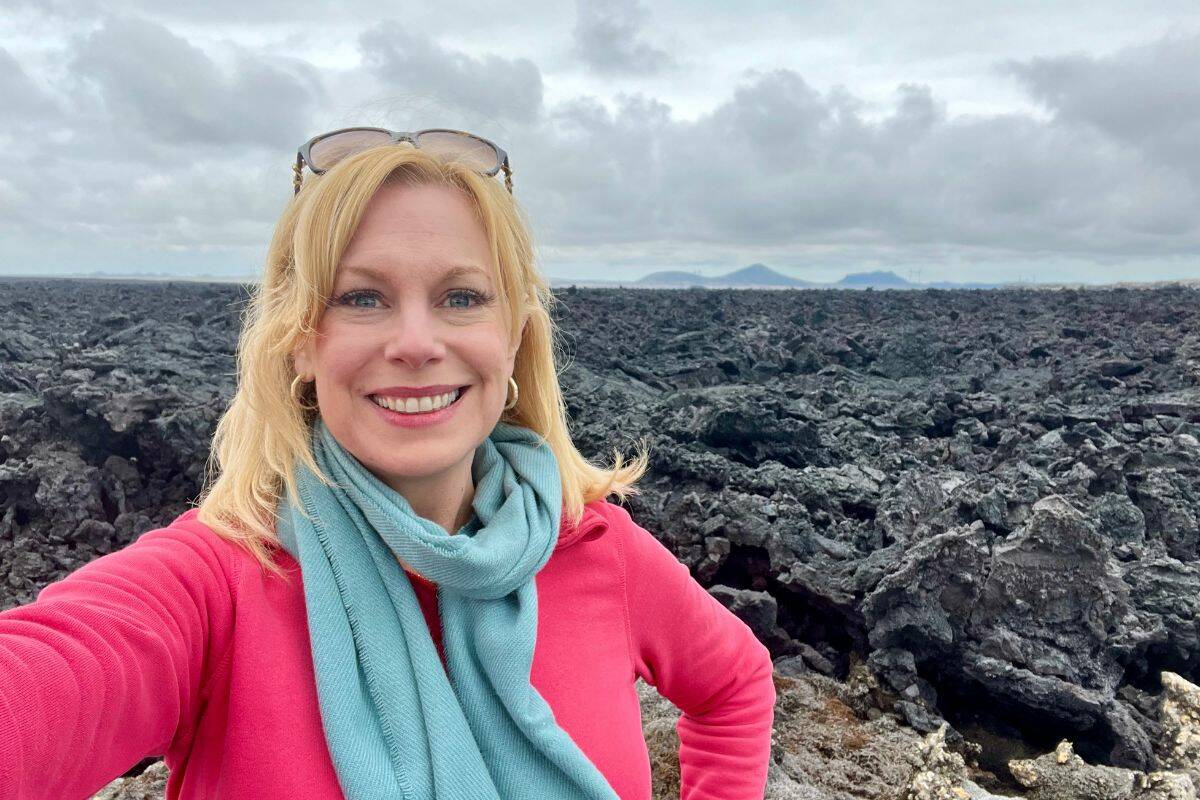
In the lead-up to our trip, a volcano not far from the international airport in Keflavik had been violently erupting and it wouldn’t take us long to see the damage from those burning lava flows. After picking up our car rental—which had stickers warning you to hold onto the door when opening it as high winds could rip the door right off—we headed to Iceland’s most famous tourist attraction. But not far from the Blue Lagoon, the road to Grindavik had recent scars from scorching lava. Black lava rocks stretched over both sides of the damaged road. We stopped at the impromptu attraction to scramble over the rocks with other visitors, all in awe of the power of nature.
Once we arrived at the Blue Lagoon, we were once again in awe. Surrounded by a lava field, the geothermal spa is one of many in the country, which also uses this natural resource bubbling under the surface to power homes and businesses. Enriched with silica, algae, and minerals, we soaked up the healing powers of the lagoon’s hot, pale blue water, tried out the swim-up face mask bar, and sipped champagne as relaxation washed over us.
I could have stayed there all day, but Iceland’s capital was calling. Walking around Reykjavik in the rain, we traversed cobble-stoned streets, visited the famous and imposing Hallgrimskirkja Church, and picked up some essentials for our drive the next day, before tucking into a seafood dinner at our hotel.
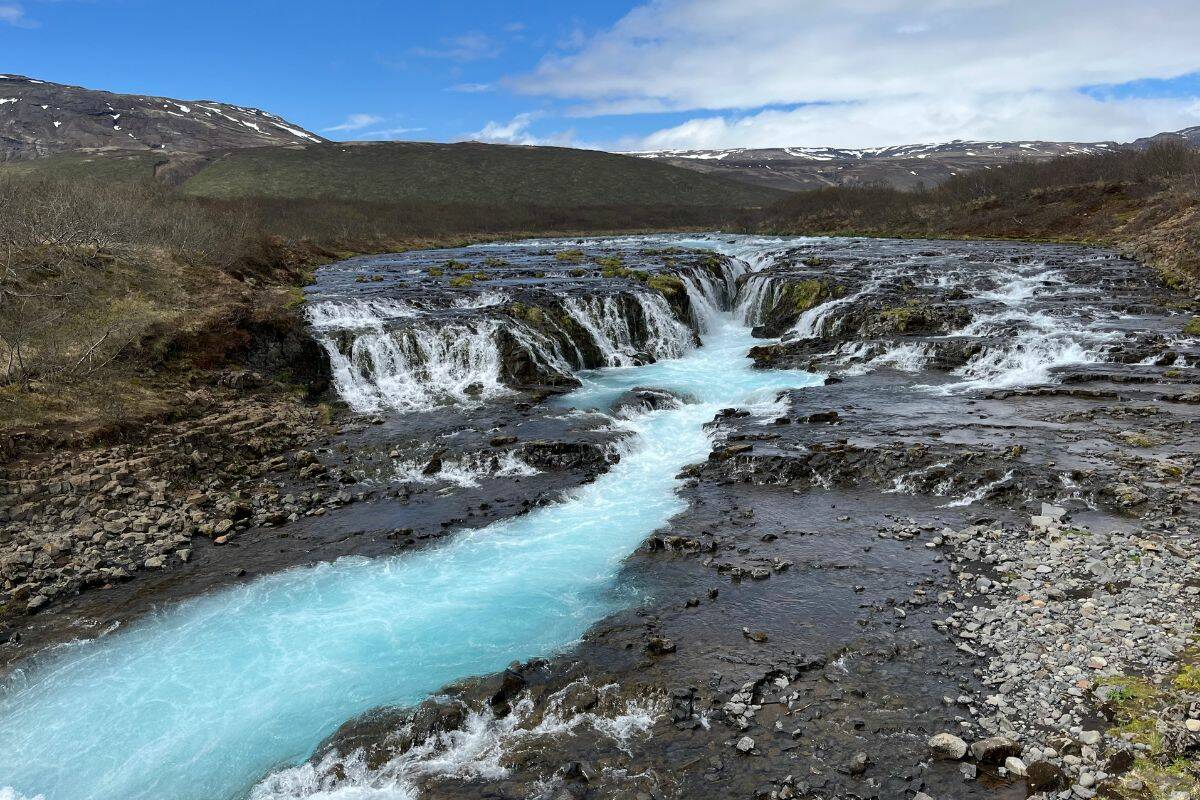
With a week in Iceland, we wanted to explore the popular Golden Circle tourist route (think waterfalls and geysers) before following the country’s ring road, which circles the nation. Iceland’s largest lake, Pingvallavatn, and Thingvellir National Park were the first stops before hitting Brúarfoss. ‘Foss’ means waterfall in Icelandic and this one is considered the country’s bluest. Small but stunning, it was a sign of bigger things to come on a day we started calling ‘Waterfall Wednesday’. The glacier-fed Faxi Waterfall was next, and then it was on to Strokkur Geyser, with its bubbling and boiling pools and an eruption every six to 10 minutes.
Iceland’s most famous waterfall—the thundering Gullfoss— was our next stop. Spanning the entire width of the Hvítá River and with two distinct drops, you could hear the rush of water before you could see it. Tour buses filled the parking lot and mist hung in the air.
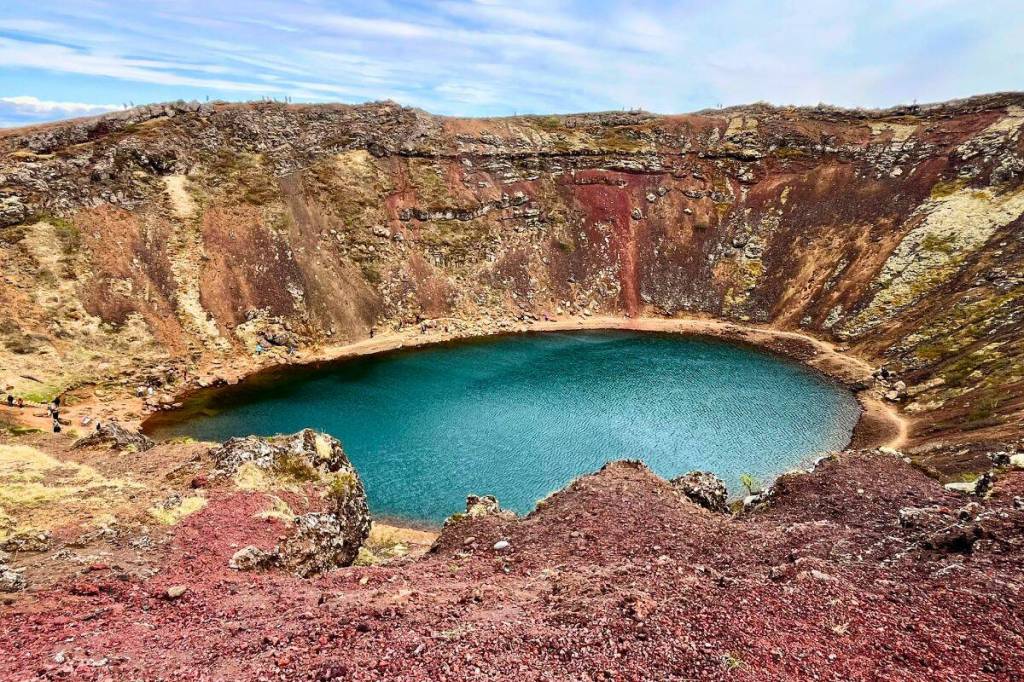
After a delicious lunch of langoustines – small lobsters with a delicate, sweet flavour – in nearby Reykholt, we drove to Kerið Crater Lake. It’s one of several volcanic craters in the area, formed along an 800-metre fissure, but perhaps the most visually stunning with its caldera still intact. After an easy hike down to the water, we could say we’d been inside a volcano!
With one more famous waterfall on our agenda, we headed to the south Iceland capital of Selfoss and then Seljalandsfoss, a waterfall you can walk behind. It’s been a waypoint in the Amazing Race and featured in movies and music videos. With the sun peeking through the clouds and water droplets in the air, a rainbow formed over it as we carefully made our way behind the rushing water.
After a long day of exploring, we checked into a bed and breakfast on a small, wind-whipped farm in Hvolsvöllur and had dinner at a nearby restaurant, where I was horrified to see horse and puffin on the menu. The next morning, we set off for Skógafoss, a towering waterfall rich in Viking legend, that rushes off a cliff. The amount of spray means it consistently produces rainbows on sunny day.
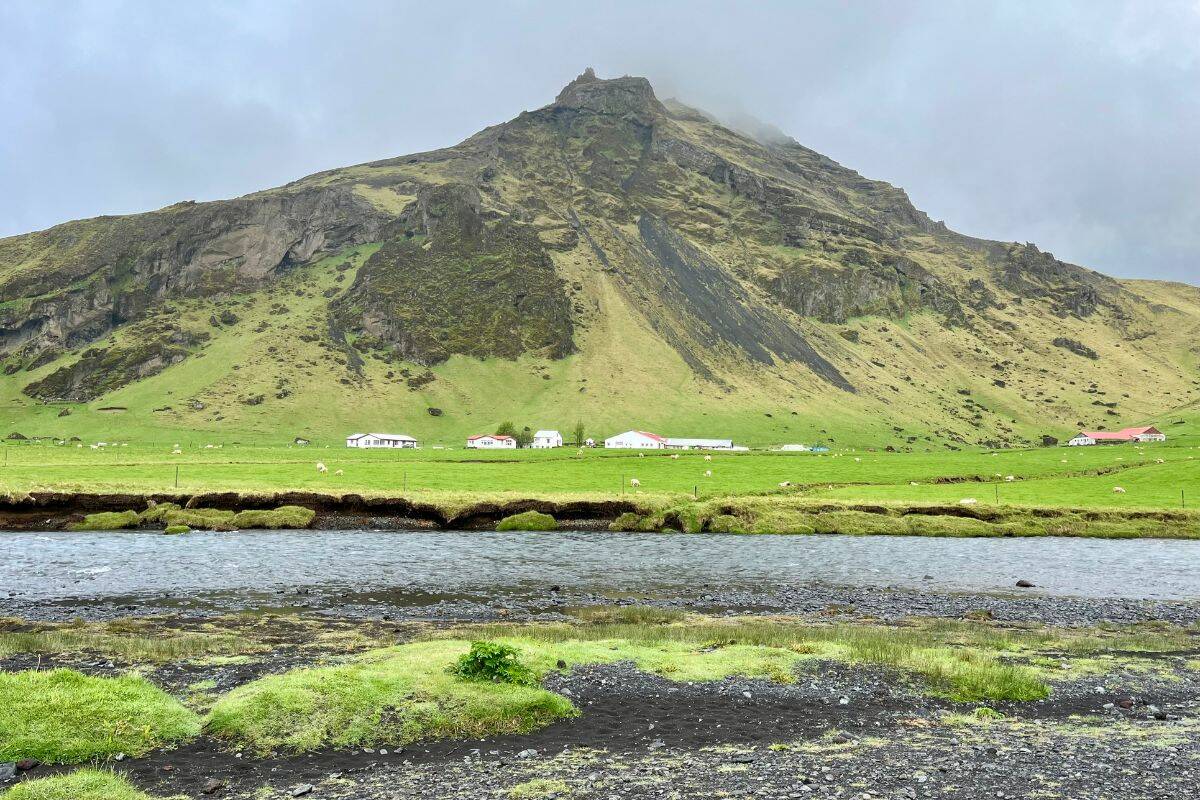
Our next stop is the Dyrhólaey cliff and lighthouse, not far from Iceland’s southernmost mainland village of Vík í Mýrdal, where you can look down on an imposing lava arch in the crashing North Atlantic (Dyrhólaey means ‘door hill island’) and watch sea birds swooping over this unforgiving terrain. Since our visit was at the start of the summer season, Atlantic puffins were also nesting along the cliff face, and the sweeping view included the black sand of Reynisfjara beach, famous for its unpredictable and deadly sneaker waves. We heeded the numerous warning signs and stayed a safe distance from the water as we took photos of its sea cave and walked along the black sand.
Heading east, we stop for lunch in a small town (one of the few to have a Vinbudin or liquor store, the only place you can buy alcohol) on our way to Fjaðrárgljúfur, famous for its incredible, winding canyon of basalt columns. As we walk along its trail, the sun comes out and we can see why this is called a magical natural wonder.
The weather holds as we head further east and explore Vatnajökull National Park, home to the Skaftafell Glacier, and then stop at one of our trip highlights: Jökulsárlón Glacier Lagoon. Holding onto the door handle, I can barely get out of the car as wind whips us back but it’s worth the effort. Large chunks of glacial ice bob in the water like icebergs before making their way from the lagoon out to sea through a small channel. Kayakers in survival suits skirt around them as we watch from the rocky beach and nearby hill.
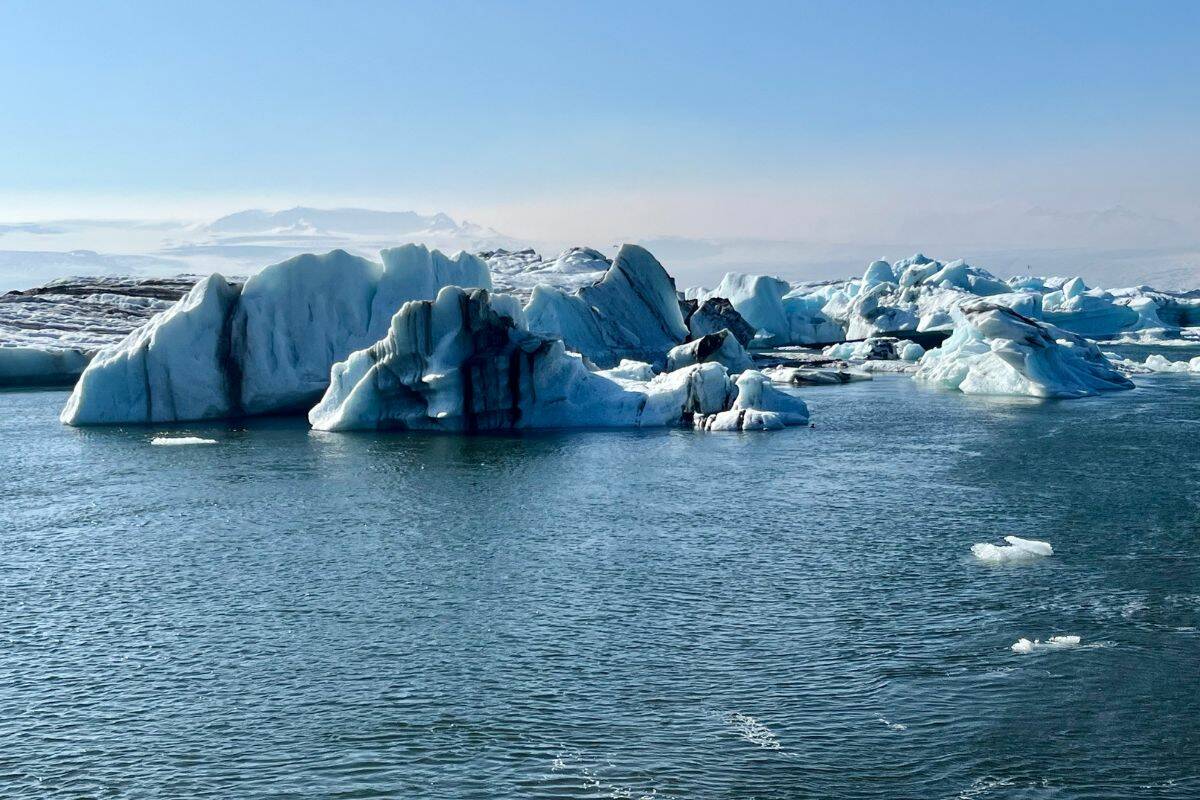
We stay the night in the fishing village of Höfn before heading through winding fjords in east Iceland to the north. For much of the drive, there were long stretches where we were alone on the road and aside from some reindeer surprising us, the only animals we saw were horses. Few trees dotted the landscape, which was harsh and barren.
Highlights in these less visited areas included the Víti Crater in the Krafla fissure area of North Iceland, the Namafjall Geothermal area, a fantastic farm stay at Lake Mývatn, where we soaked in a nearby nature bath, the massive Godafoss waterfall, and the historic northern city of Akureyri, which is surrounded by mountains and fjords.
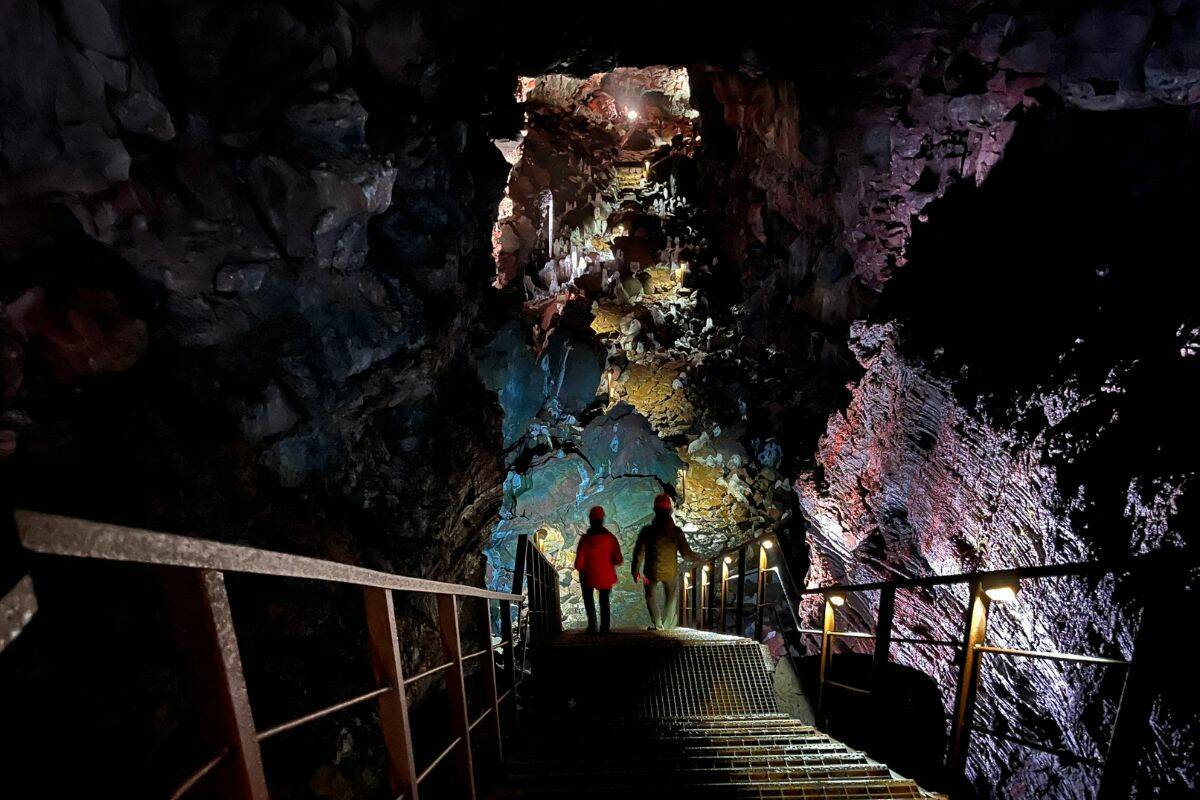
A final highlight after our return to Reykjavik was touring the nearby Raufarholshellir Lava tunnel—one of the country’s longest—and walking the path lava flowed during an explosive eruption 5,200 years ago. It’s only fitting then, as we leave this otherworldly country, that the volcano near Grindavik starts erupting again. Driving to the airport, we watch the bursting lava in the distance.