Published on
January 5, 2026
Bulgaria is preparing for 2026 as a pivotal year for its tourism sector, with a strong focus on promoting cultural tourism and positioning the country as a year-round destination for mountain tourism. This forward-looking strategy, outlined by the outgoing Tourism Minister Miroslav Borshosh, seeks to diversify the nation’s tourism offerings, moving beyond its perception as a budget-friendly destination. The emphasis for the upcoming year will be on attracting more domestic tourists, while simultaneously maintaining and expanding Bulgaria’s reach in strategic international markets.
Bulgaria’s tourism industry has been steadily growing over the past year, despite global challenges, and is now poised to make a significant leap in 2026. With a rich cultural heritage, stunning mountain landscapes, and diverse tourism experiences, Bulgaria is ready to embrace a more sophisticated, year-round tourism model.
Cultural Tourism: A Key Pillar for 2026
As one of Bulgaria’s strategic priorities for 2026, cultural tourism will be promoted as a central aspect of the country’s tourism identity. With a history dating back to ancient civilizations, Bulgaria boasts a wealth of UNESCO World Heritage Sites, including the Rila Monastery, Plovdiv Old Town, and the Thracian Tomb of Kazanlak. These iconic sites, among many others, are integral to Bulgaria’s unique cultural offering. In addition to these historic landmarks, Bulgaria also has a vibrant contemporary cultural scene, featuring art festivals, music events, traditional crafts, and gastronomy tours.
The government plans to increase investment in promoting these cultural assets, highlighting Bulgaria’s diversity and rich traditions to attract more cultural tourists. A focus will be placed on integrating local festivals and cultural events into the tourism experience, creating a strong sense of authenticity for visitors.
Mountain Tourism: A Turning Point for Bulgaria’s Natural Attractions
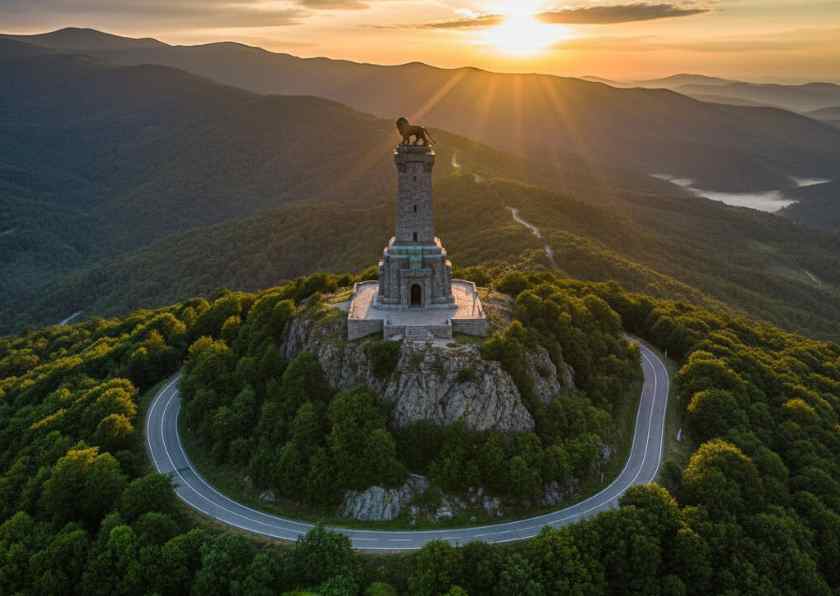
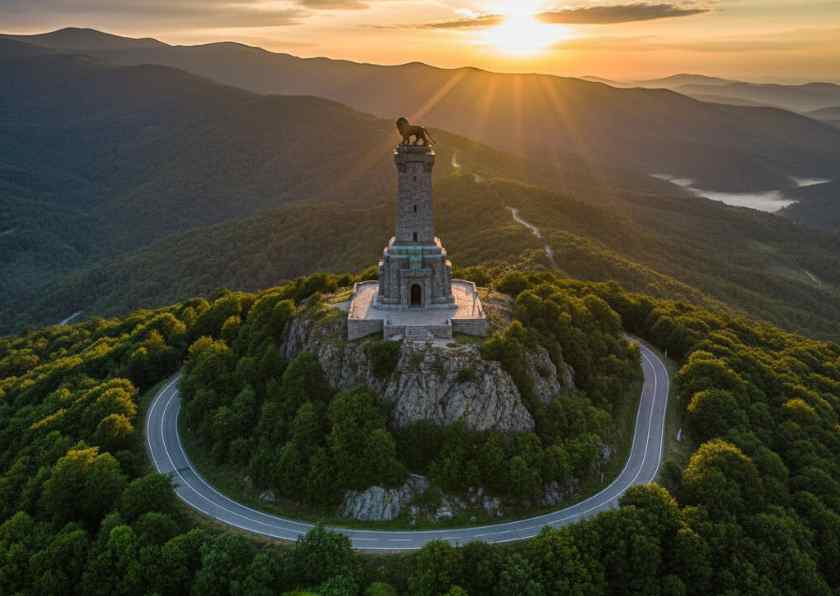
In addition to cultural tourism, Bulgaria is aiming for a significant shift in mountain tourism, positioning its Rila, Pirin, and Stara Planina mountain ranges as premier year-round destinations. Bulgaria’s mountains offer a diverse range of experiences, from skiing and snowboarding in the winter months to hiking, trekking, and mountain biking in the warmer seasons.
Bulgaria’s mountain resorts, such as Bansko, Borovets, and Pamporovo, are already popular during the ski season, but the government’s vision for 2026 is to transform these areas into four-season destinations, drawing tourists year-round. This will involve improving infrastructure and services, including better transport connections, upgraded ski facilities, and expanded summer tourism options such as eco-tourism and adventure sports.
By focusing on both summer and winter tourism in the mountains, Bulgaria can capitalize on its natural beauty and diverse landscapes, attracting tourists who are looking for an active, nature-based vacation. The strategic development of Bulgaria’s mountain resorts is also intended to boost the local economy, providing jobs and promoting sustainable tourism practices in the highland regions.
Domestic Tourism: Strengthening Local Engagement
As part of the strategy for 2026, Bulgaria’s Ministry of Tourism aims to boost domestic tourism by making Bulgarians more aware of their country’s attractions. Over the past year, efforts have been made to increase domestic tourism, which has proven crucial in the post-pandemic recovery of the tourism industry. With a renewed focus on promoting Bulgarian heritage, the country’s national parks, cultural landmarks, and mountain resorts, more Bulgarians are expected to explore their own country’s natural and cultural treasures in the coming years.
Government campaigns, digital marketing, and incentives for local tourism businesses are part of the strategy to encourage Bulgarians to travel within their own borders. Local tourism will be promoted through educational campaigns, social media engagement, and offering discounted travel packages.
Strategic International Markets: Maintaining Growth and Expanding Reach
While domestic tourism will be a key focus, Bulgaria is also committed to maintaining and expanding its presence in strategic international markets. The country aims to attract more tourists from nearby European Union countries, such as Germany, the UK, and France, which have traditionally been significant sources of tourism. Additionally, Russia and Turkey have also been identified as target markets for both cultural and adventure tourism.
Bulgaria’s tourism officials will continue to promote the country at international trade shows, through digital marketing campaigns, and via partnerships with tour operators. There will also be a continued emphasis on family-friendly tourism, wellness tourism, and luxury tourism, which are sectors with significant growth potential.
Improving Infrastructure and Sustainable Tourism
To ensure that Bulgaria can effectively manage the anticipated increase in tourism in 2026, the government will focus on improving infrastructure. This includes enhancing transport links, increasing flight connections, and upgrading tourism facilities to accommodate the needs of both domestic and international travelers. Infrastructure upgrades will also focus on improving sustainable tourism practices, minimizing the environmental impact of tourism in sensitive areas like the Rila Monastery and Pirin National Park.
Moreover, Bulgaria is committed to sustainable tourism development, focusing on reducing the carbon footprint of its tourism activities, preserving natural resources, and ensuring that tourism benefits local communities without damaging cultural or environmental heritage. This includes promoting eco-tourism initiatives, such as sustainable hiking tours, green hotels, and the protection of Bulgaria’s natural parks.
Conclusion
As Bulgaria sets its sights on 2026, the country is poised to undergo a transformative period in its tourism sector. By focusing on cultural tourism, expanding mountain tourism, strengthening domestic tourism, and targeting strategic international markets, Bulgaria aims to reshape its tourism identity and position itself as a year-round destination. With a renewed focus on sustainability, innovation, and diversification, Bulgaria is prepared to offer visitors a comprehensive, enriching travel experience in 2026 and beyond.
