The yellow wall lichen Xanthoria parietina, commonly found in cities, has been chosen as the lichen of the year for 2026, according to the Latvian Mycological Society.
Yellow wall lichen is easily recognisable, common, and very interesting. It is also called common orange lichen or, more poetically, maritime sunburst lichen.
Lichen is not just a stain on a stone or tree, but a complex, fragile and very interesting companion that quietly tells us about the health of nature. Winter is the perfect time to observe and learn about lichens, Latvian Mycological Society says.
Yellow wall lichen grows on stones, tree bark and man-made surfaces. It is one of the most widespread lichen species in the world, thriving in places with high nutrient levels; it is practically non-existent in forests. The species tolerates air pollution and the presence of nitrogen compounds well, so it is also often found in urban areas and other areas affected by humans, such as bird colonies.
When grown in a sunny spot, yellow wall lichen fluoresces, glowing orange — anyone can test this by finding some lichen and shining an ultraviolet flashlight on it.
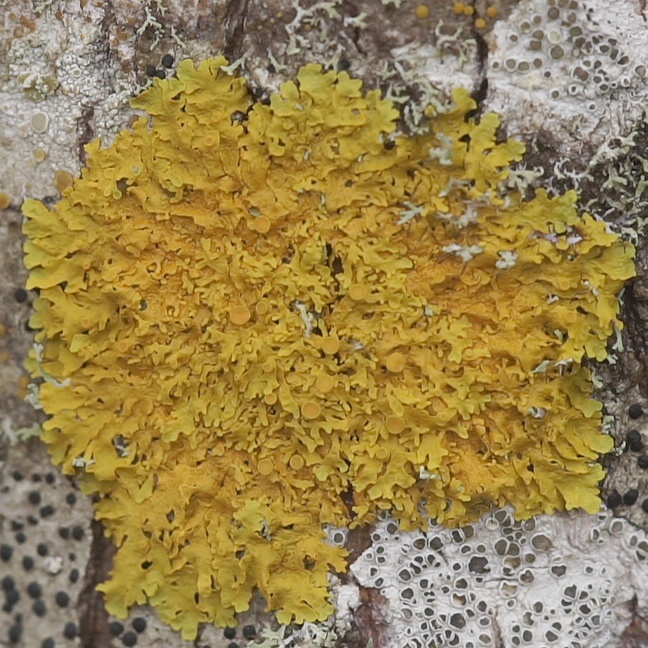
Photo: Ilmārs Tīrmanis
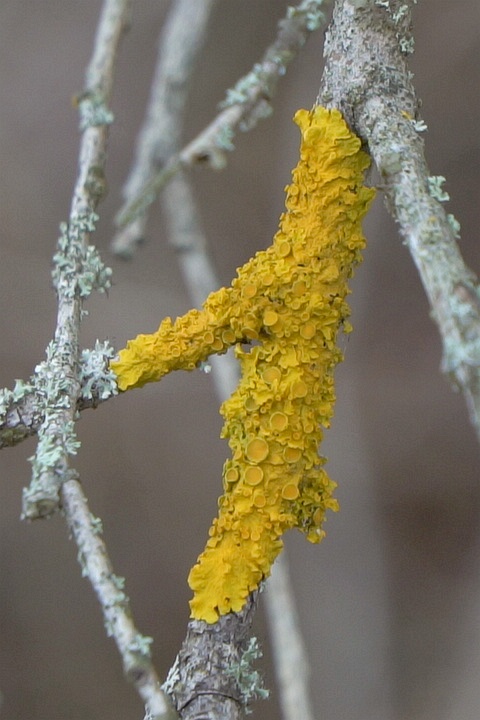
Photo: Ilmārs Tīrmanis
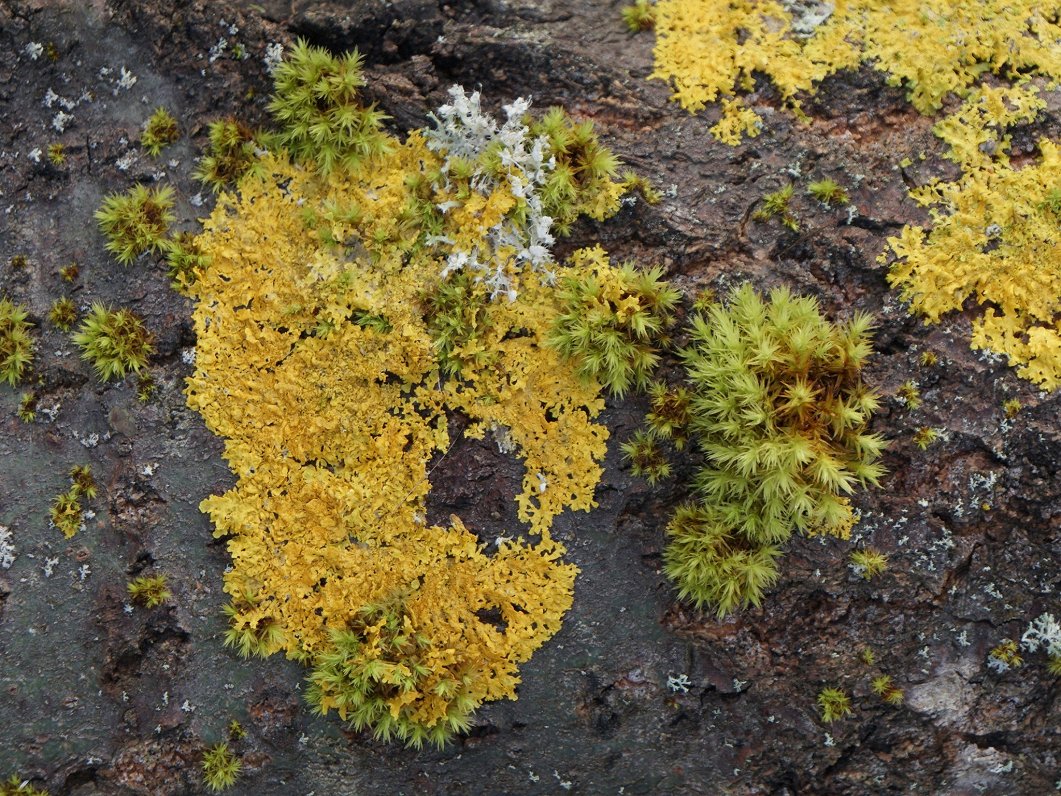
Photo: Ilmārs Tīrmanis
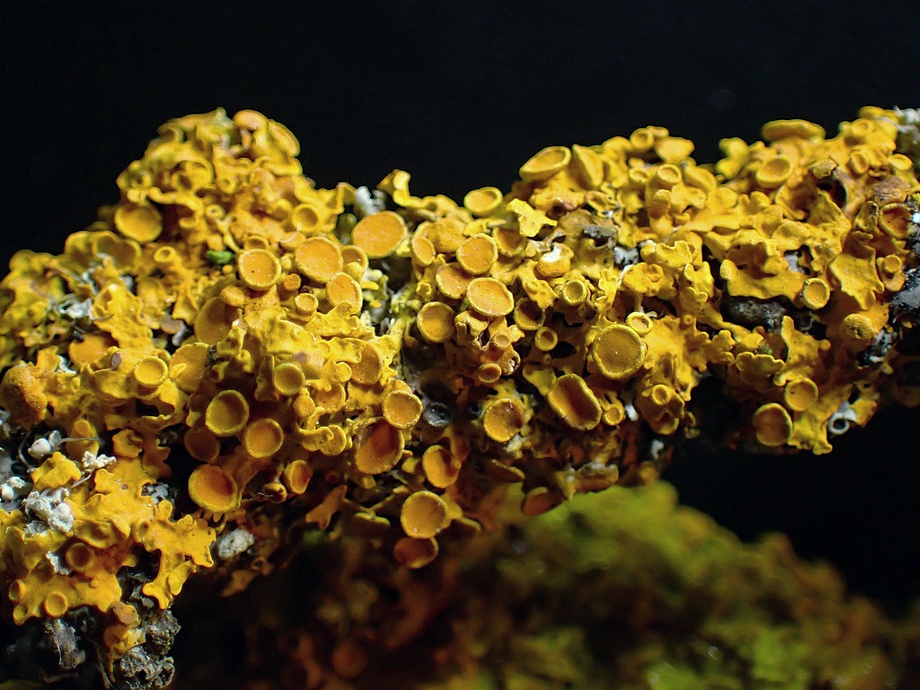
Photo: Renāte Kaupuža
Yellow wall lichen is also used to dye yarn, and in folk medicine, it was formerly used as a pain reliever. Laboratory studies of lichen extract and one of its main components, parietin, have found that these substances can inhibit the growth of bacteria, fungi, and certain types of cancer cells. It is important to note that parietin alone was not as effective in these experiments, so it is believed that the greatest effect is achieved by the combined action of several substances in the lichen, rather than one substance alone. Research shows that lichens contain many interesting biologically active substances, making this and other lichens a promising source for discoveries.
This year is special for lichens — after a 15-year hiatus, the Latvian Mycological Society has revived the tradition of naming the Lichen of the Year. The last time the Lichen of the Year was named in Latvia was in 2010, and the revival of this tradition is an important step in promoting public interest in the diversity and role of lichens in ecosystems, the society emphasised.
There are about 700 species of lichens in Latvia, about 60 of which are protected.
Lichens can also be safely observed in winter and in the city — find a yellow wall lichen and observe the environment in which it grows and what it can tell you about this place. You can record your findings on the www.dabasdati.lv portal, the portal’s app, or the iNaturalist app.
Select text and press Ctrl+Enter to send a suggested correction to the editor
Select text and press Report a mistake to send a suggested correction to the editor
Tell us about a mistake