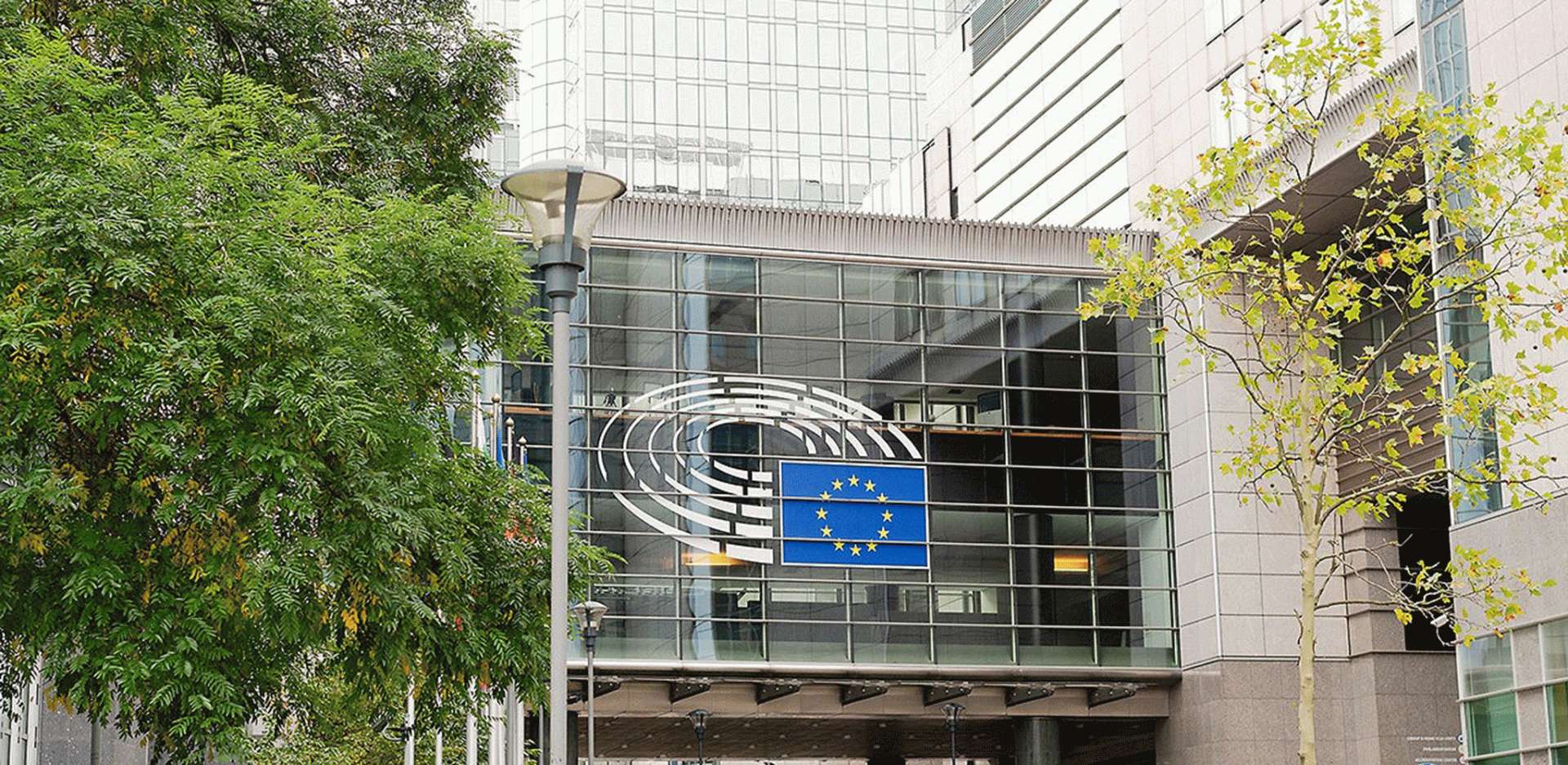
As competitiveness becomes a political priority in Brussels, environmental safeguards across the EU face growing pressure. The outdoor sector is pushing back — showing how innovation can protect both nature and business.
EU deregulation package exempts most businesses
On Thursday 13th November, lawmakers in the European Parliament passed the first Omnibus Simplification package, significantly scaling back environmental regulation and exempting 80 percent of companies from mandatory sustainability disclosure.
Competitiveness as a political priority is becoming a common refrain under the current EU mandate. Ursula von der Leyen opened her second term by stating, “We need to make it easier to do business in Europe, to innovate in Europe, and to embrace the newest technologies.”
The need to secure Europe’s position in a volatile global economy is clear — but should deregulation be the method? Europe has shown how innovation can meet and even exceed environmental legislation, bolstering global competitiveness.
Most recently, the EU announced plans to reopen the Water Framework Directive (WFD) in Spring 2026, making it easier for industries like mining to obtain exemptions. This comes after pressure from industry stakeholders and member states who argue that the directive is hampering growth.
But the outdoor industry offers a counterexample. Brands have invested heavily to remove pollutants like PFAS — substances harmful to freshwater ecosystems and human health — from their supply chains. These actions prove that stringent regulation can inspire innovation without sacrificing market position.
Outdoor brands advocate for freshwater protection
In late November, the European Outdoor Conservation Association (EOCA) visited Brussels alongside PFAS-free leaders Nikwax and NZERO. They met with DG Environment to present four key arguments:
Clean water = strong business
Clean freshwater supports biodiversity, human health, and commercial viability.WFD still works
Though imperfect, the WFD remains the EU’s strongest mechanism to protect freshwater and drinking water.Innovation drives competitiveness
Meeting WFD requirements has elevated brands like Nikwax and NZERO to leadership positions, including increased exports to the United States.Business as usual is not viable
Regulation spurs innovation and prevents companies with outdated models from gaining an unfair edge.More rollback on the horizon
The EU’s deregulatory agenda is gaining momentum. The anti-deforestation regulation (EUDR) faces delays and could be softened before implementation. The Nature Restoration Law narrowly avoided being included in the latest Omnibus, and the Birds and Habitats Directive is slated for a “stress test” in 2026.
As this trajectory continues, policymakers must recognize that environmental laws are not barriers. Many businesses have already adapted through innovation. Reversing progress now risks undermining both environmental integrity and business resilience.
Call for a Nature First coalition
EOCA calls on businesses and NGOs to form a unified, progressive front. A Nature First policy approach can ensure long-term economic stability while safeguarding the ecosystems upon which we all depend.
The European Outdoor Conservation Association (EOCA) was founded 20 years ago as a mechanism for the outdoor industry to invest in nature and biodiversity. It unites brands and stakeholders in protecting the ecosystems that outdoor recreation and business depend on.
Lead photo: Unsplash