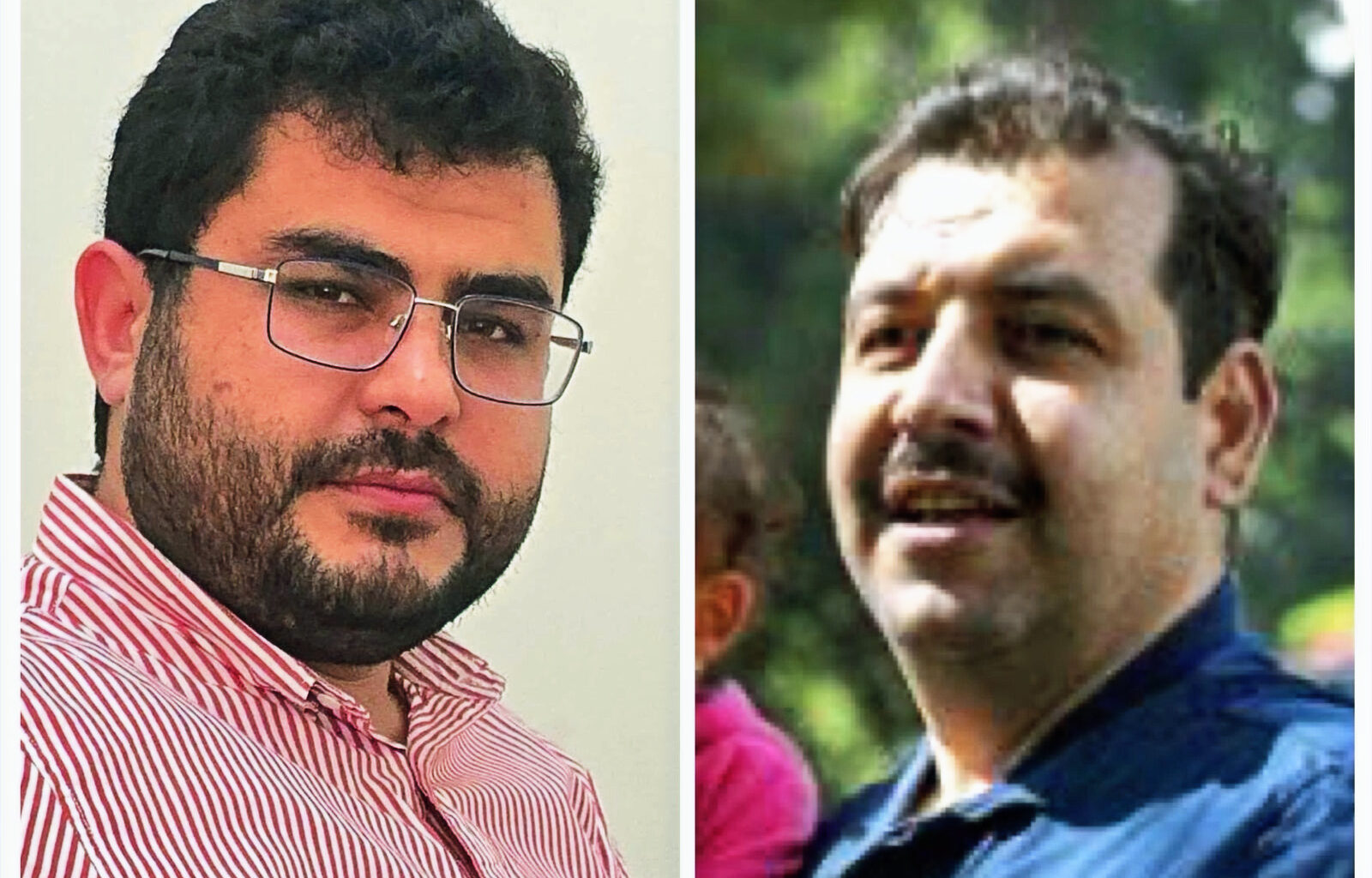
Chief Justice Emeritus Willy Mutunga’s rhetorical question “Are African governments in the business of selling Turkish citizens to the dictatorship in Türkiye?” deserves closer attention. With the recent arrests of Mustafa Güngör in Kenya and Emre Çınar in Mozambique, a new wave of transnational repression appears to be rising on African soil.
Before his arrest on 20 December 2025 and 10-day detention, husband and father, Mustafa Güngör (42), had lived in Kenya as a protected refugee for 15 years. An educationalist by profession, he has educated generations of Kenyan children, including those of senior government officials. Despite this record, Turkish authorities were able to trigger a counter-terrorism probe via a Mutual Legal Assistance request to the Attorney General over an alleged 2018 pro-Gülen social media post. After a strong legal defence, Güngör is now out on personal bond until 3 February.
Ten days later, Mozambique’s National Criminal Investigation Service arrested another Turkish refugee, lawyer Emre Çınar (30), allegedly to comply with an extradition request. Çınar has been living in Mozambique with his family for 8 years. It is not yet unclear what charges Çınar faces, whether he has legal representation, or whether a court has approved his extradition to Ankara.
The two men have four things in common. Both are educated professionals and are well respected within the Turkish immigrant community and in their host countries. Neither of them appears to have committed any criminal offence in the countries they have been living in. Finally, both men are now being investigated by security agencies at the instigation of a state that is internationally notorious for hunting its citizens even when under the protection of the United Nations and sanctuary nations.
Although 1,700 kilometres apart, the two cases are not isolated incidents. Since the 2016 failed coup attempt, the Erdogan-led government has passed several emergency decrees to restrict fundamental rights and freedoms. According to a London Advocacy’s 2022 report, the Government has investigated nearly 2 per cent of Turkiye’s 87 million population and charged over half of them with political dissent or terrorism. Lawyers have not been spared either. By 2021, the Turkish authorities had arrested more than 1,600 lawyers, subjected 615 of them to pre-trial detention, and sentenced 474 to a total of 2,996 years on the grounds of membership in an armed terrorist organisation.
Fleeing abroad offers few guarantees of sustained safety. The administration’s practise of cancelling passports has sought to prevent visa and work permit applications and pave the way for renditions or deportations. By 2022, London Advocacy notes the Turkish Government had issued 1,133 requests to extradite human rights defenders and political opponents in 110 countries, including Kenya (2021 and 2024). Less than ten per cent of the requests have been successful. The United States of America, the United Kingdom, and several European courts have repeatedly dismissed these requests, citing their political nature and the danger of torture and ill-treatment in Turkiye. Where this has not worked, Turkish agents have run covert rendition operations against individuals suspected to be Gülen movement sympathisers in Kenya and at least twenty other countries.
Neither Kenya nor Mozambique has an extradition treaty with Turkiye. Both countries also require the allegations against Güngör and Çınar to meet the dual criminality test. In Güngör’s case, Kenyan authorities would need to prove the seven-year-old social media post violates the Prevention of Terrorism Act. Mr Güngör is also protected from refoulement under the Refugee Convention (1951), Kenya Refugee Act (2021), International Covenant on Civil and Political Rights (Art.7) and UN Convention Against Torture (Art.3). These laws and standards prohibit all states from returning refugees to countries where they face injustice, torture, degrading treatment, or a threat to their lives and freedom.
The current cases of Güngör and Çınar test Africa’s commitment to the rule of law and national sovereignty. How the Kenyan and Mozambican governments respond to Ankara’s weaponization of extradition will reveal their commitment to constitutionalism or commerce. Diplomacy must not cloak transnational repression, and extradition must never become a tool to hunt those fleeing political persecution.
Irũngũ Houghton is Amnesty International Kenya Executive Director and writes in his personal capacity. Email: [email protected]