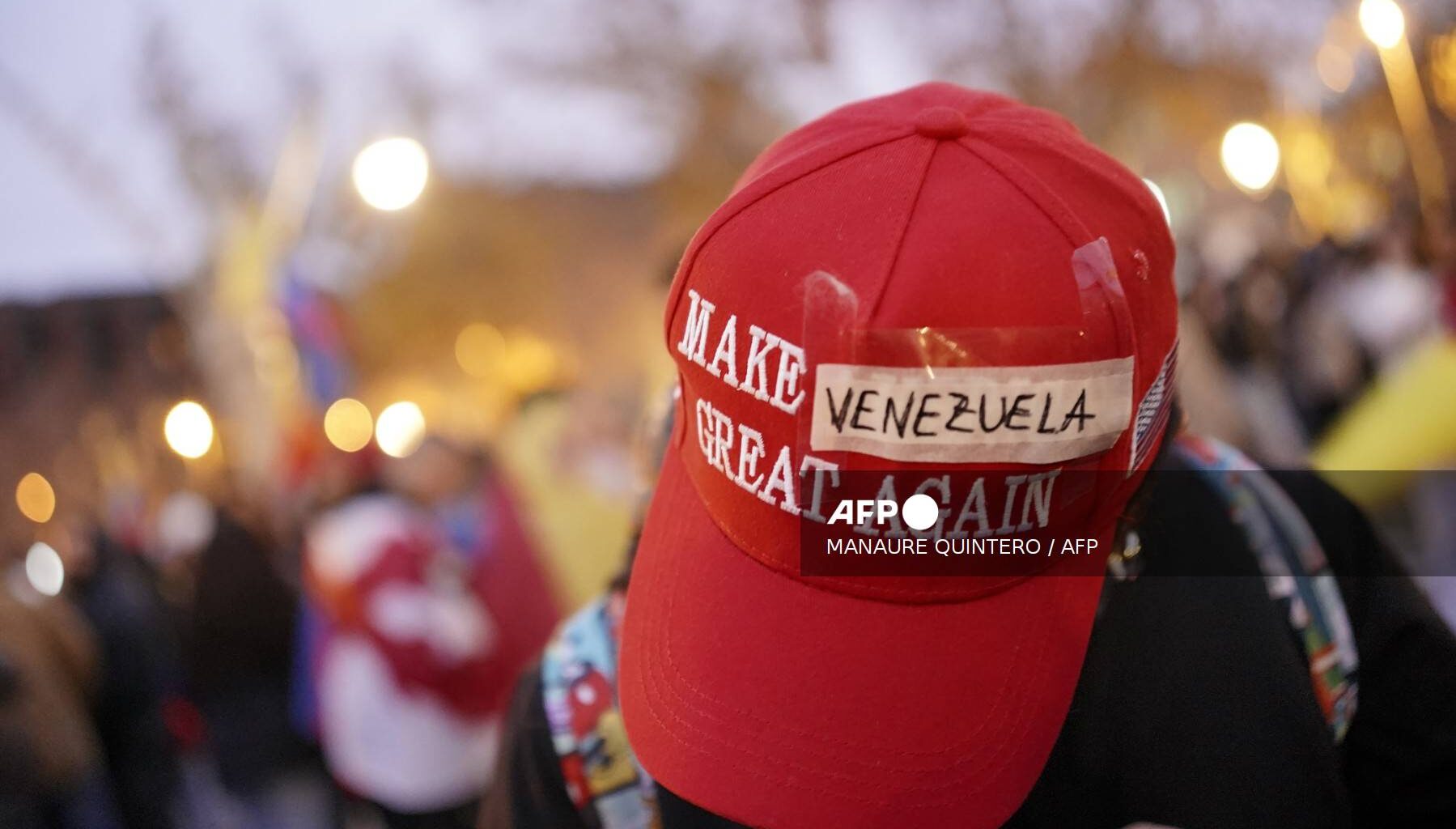
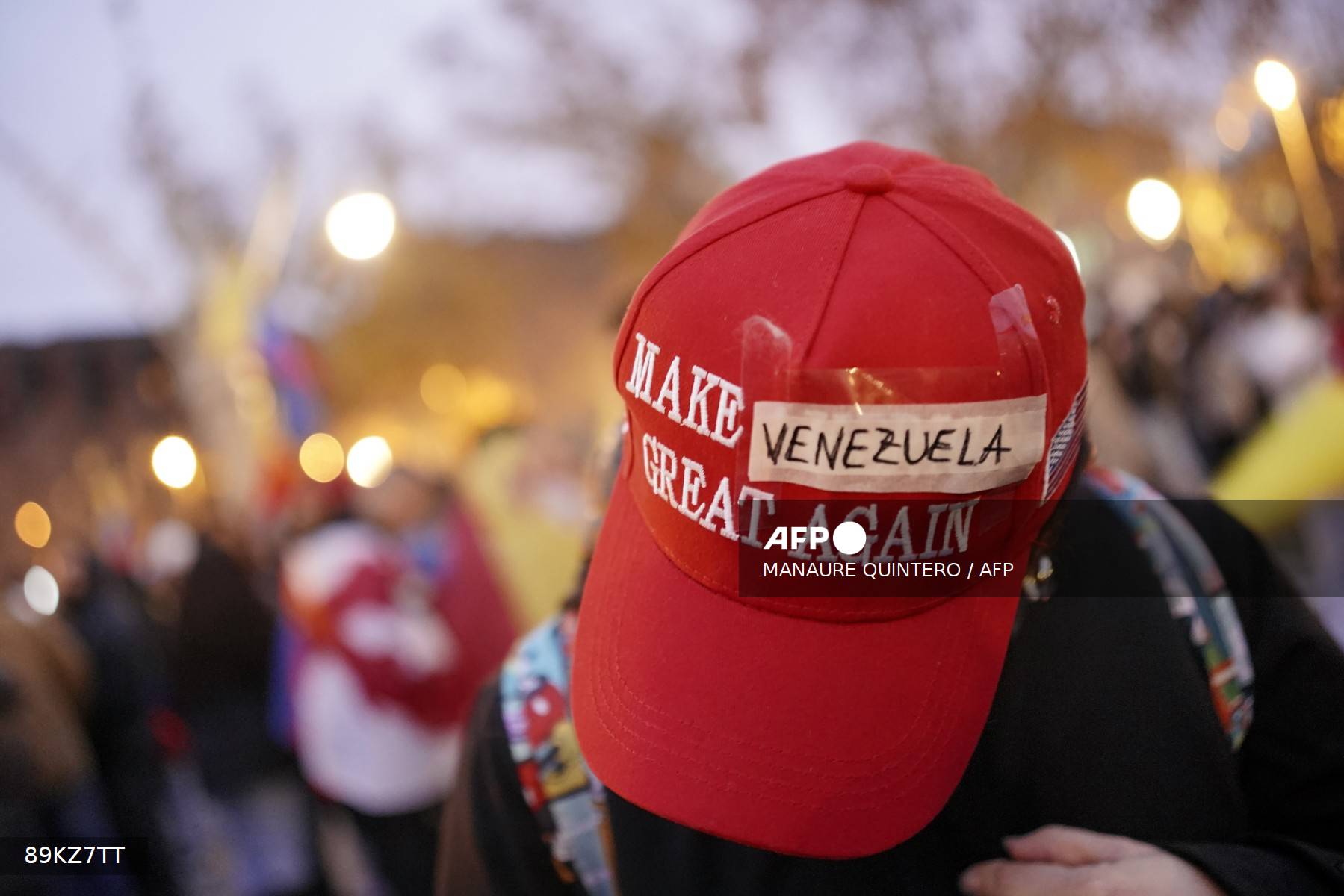
The U.S. military removal and arrest of Venezuelan ruler Nicolás Maduro marks one of the most consequential geopolitical shocks Latin America has experienced in decades.
According to UBS economists Rafael de la Fuente, Andrea Casaverde and Roque Montero, the operation is not only about Venezuela’s internal collapse, but about a broader reassertion of U.S. power in the Western Hemisphere—one that carries uneven consequences for the region’s largest economies and introduces new pockets of short-term market volatility.
At its core, the event represents a break with recent precedent. Washington did not merely tighten sanctions or apply diplomatic pressure; it used direct military force to remove a sitting president and openly declared its intention to “govern” Venezuela during a potentially lengthy transition.
This shift fundamentally alters regional risk perceptions, especially for countries that have sought strategic autonomy by balancing relations between the U.S. and other global powers.
UBS highlighted that Mexico and Colombia are the most exposed to short-term volatility due to stretched valuations, strong positioning and country-specific vulnerabilities.
A region divided
Reactions across Latin America have fallen largely along ideological lines. Brazil, Mexico and Colombia have joined China and Russia in criticizing the U.S. intervention, arguing that it lacks international legitimacy.
Yet UBS notes that beyond diplomatic statements, the real consequences lie in how governments, investors and policymakers reassess extreme scenarios that until now were considered unlikely.
The removal of Maduro signals that the U.S. is willing to act decisively to secure what it defines as core interests: control over narco-trafficking routes, exclusion of rival powers from strategic assets, and renewed influence over energy resources.
This posture is consistent with what UBS describes as a revival—and expansion—of the Monroe Doctrine under the Trump administration, framed as a “Donroe Doctrine” that prioritizes security and access over democratic sequencing.
For the region, this means that Venezuela is no longer an isolated outlier. Instead, it becomes a case study in how far Washington may go when it perceives threats to its hemispheric dominance.
Brazil: shielded by scale, but not immune
Among the region’s major economies, Brazil appears the least directly exposed. UBS highlights Brazil’s size, diversified economy and deep trade relationship with China as important buffers.
Moreover, relations with Washington have improved in recent months, including the removal of U.S. tariffs on Brazilian beef and coffee and the lifting of certain sanctions.
As a result, the immediate macroeconomic and market implications for Brazil are limited. However, the episode reinforces a longer-term strategic dilemma: Brazil’s growing economic reliance on China now coexists with clearer signals that the U.S. intends to prevent strategic assets in the hemisphere from falling under the influence of rival powers.
While this tension is unlikely to translate into near-term volatility, it raises the stakes of Brazil’s foreign policy balancing act.
Mexico: volatility from valuation, not geography
Mexico’s exposure is less geopolitical and more financial. UBS emphasizes that Mexican assets enter this episode with demanding valuations and unusually low implied currency volatility.
The peso appears overvalued by roughly 7% in UBS models, with volatility measures near the bottom of their post-2010 range.
The events in Venezuela may prompt investors to reconsider complacent assumptions about U.S. behavior in the region.
This reassessment comes at a sensitive time for Mexico, where USMCA-related uncertainty may have increased following the weekend’s developments. UBS argues that there is “ample room” for volatility to reprice upward, even if the fundamental outlook remains intact.
In short, Mexico is not vulnerable because it resembles Venezuela, but because markets may suddenly price tail risks that had faded from view.
Colombia: the most exposed pressure point
Colombia stands out as the country where political, fiscal and market risks intersect most sharply.
UBS points to several compounding factors: the deployment of roughly 30,000 troops to the Venezuelan border, rising fiscal pressures and increasing inflation following a 23% minimum wage hike by 2026.
The Colombian peso is also among the most stretched currencies in the region, appearing about 8% overvalued with significant deviations from historical norms.
With the central bank divided on its next policy move and elections approaching, the removal of Maduro raises the sensitivity of Colombian assets to headlines related to U.S. and domestic policy decisions.
Unlike Chile, where political transitions have become more predictable, Colombia could be entering a more complex and uncertain electoral cycle. UBS therefore sees a low risk-reward balance for maintaining peso exposure at current levels and expects volatility to increase as investors reassess both fiscal sustainability and security risks.
Venezuela’s absence
Beyond immediate market reactions, UBS highlights a longer-term regional implication: the possibility that a stabilized Venezuelan economy could eventually address the largest humanitarian crisis in the region’s recent history.
Nearly 7.9 million Venezuelans have left the country since the Chávez era, placing sustained pressure on neighbors such as Colombia, Peru and Chile.
However, UBS urges caution. The lack of a clear roadmap back to democracy, the ambiguity over who will govern Venezuela, and the possibility of resistance from entrenched regime figures all cloud the outlook.
A prolonged transition under U.S. oversight could test public patience inside Venezuela and generate new political frictions across the region.
Short-term market implications
UBS’s bottom line is that immediate spillovers to major Latin American markets are likely to be limited. Yet the shock has reintroduced geopolitical risk into investor thinking.
Mexico and Colombia are the most exposed to short-term volatility due to stretched valuations, strong positioning and country-specific vulnerabilities.
Elsewhere, impacts are more muted. Brazil’s scale provides insulation, while Chile and Peru face limited risks unless migration flows or global commodity prices are materially affected. Argentina, though sensitive to global shocks, may even benefit from reinforced confidence in U.S. political backing.
The removal of Maduro, then, is less a market earthquake than a tectonic shift. It redraws the boundaries of perceived U.S. action in Latin America—and in doing so, reminds the region that geopolitical risk, once discounted, can return abruptly and unevenly.
(The original version of this content was written in English)